





Swan Goose
Anser cygnoides
The Swan Goose is a beautiful bird with a long neck and a graceful body. They are known for their striking appearance and can often be seen swimming in lakes and rivers.
Habitat: Wetlands
The Swan Goose has an elegant, long neck, setting it apart from other geese. Its plumage is primarily grey-brown with a distinct dark brown stripe running down the back of its neck, contrasting with a paler belly. It features a prominent orange bill and legs.
Category
BirdsRarity
Common
Danger
3/5 · Moderate
Snaps
8
During winter, large groups gather at unfrozen wetlands, forming massive, noisy flocks.
Swan Geese form strong pair bonds that can last for many years, sometimes even for life!
They communicate using a wide range of honks, whistles, and hisses, not just a simple "honk!"
This goose is the wild ancestor of most domestic geese, found on farms worldwide!
Swan Goose has a long, flexible neck that helps them reach submerged plants and graze effectively on land.
Swan Goose can detect predators from afar because of their keen eyesight and habit of communal vigilance.
Swan Goose can quickly maneuver in water and dive to escape threats thanks to their webbed feet and streamlined body.
Mainly eats plants, grazing on grasses, sedges, and aquatic vegetation with its long neck.
Age differences: Goslings may eat more insects for protein; adults focus on varied plant matter.

Haliaeetus albicilla
Preys on eggs and vulnerable goslings.
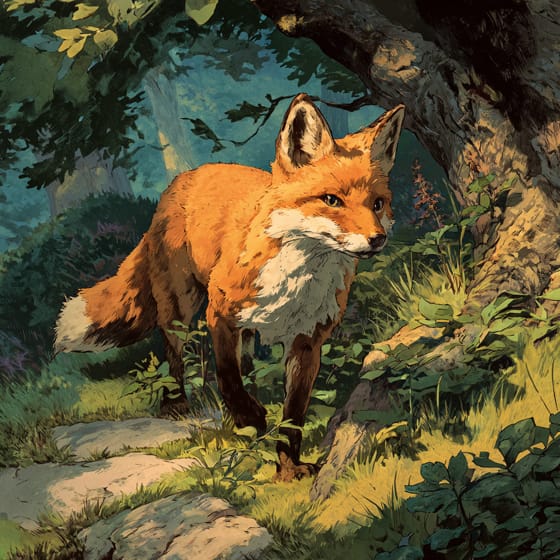
Vulpes vulpes
Raids nests for eggs and young goslings.

Phragmites australis
Consumes shoots and roots from wetland plants.
Typha latifolia
Forages on shoots and rhizomes in marshy areas.
Feathered describes animals, primarily birds, possessing a covering of feathers.
Characterized by having toes connected by a membrane, typically aiding in swimming.
Social animals live in organized groups, cooperating for survival benefits such as foraging, defense, and raising offspring.
Filter feeders obtain nutrients by straining suspended food particles and small organisms from water.

This trait characterizes organisms whose diet consists entirely or primarily of plant material.

This trait characterizes organisms with an exceptionally long lifespan compared to others of their kind.

This habitat trait identifies species found in wetlands, which are areas of land saturated with water, either permanently or seasonally, including marshes, swamps, and bogs.

Diurnal animals are primarily active during daylight hours, typically resting or sleeping at night.
Danger
3/5 · Moderate
Always watch from a distance and do not feed the geese, as they can become aggressive if they feel threatened.
The easiest way to identify Swan Goose is to use the Snappit nature identifier app.
81-94 cm
153-185 cm
2.8-3.5 kg
15-20 years
70 km/h
Mainly eats plants, grazing on grasses, sedges, and aquatic vegetation with its long neck.
Wetlands
Zoom in to split clusters and explore where this object has been snapped.

Alabama, US
You might spot Muscovy Duck and Gulf Longear Sunfish.
View guide →

Louisiana, US
You might spot Heavenly Bamboo, Rio Grande Copper Lily, and Ballmoss.
View guide →

Florida, US
You might spot Brown Anole, White Ibis, and Anhinga.
View guide →

Texas, US
You might spot Giraffes, African Lion, and Eastern Black Rhinoceros.
View guide →
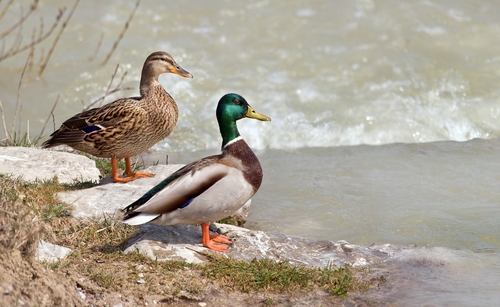
Nevada, US
You might spot Duck, Redhead, and Great-Tailed Grackle.
View guide →

Texas, US
You might spot Yellow-Crowned Night Heron, Duck, and Wood Duck.
View guide →
Take the discovery with you
Snap it with Snappit to identify it, learn what makes it special, and add the discovery to your collection.




.jpg&width=800)








