





Tadarida teniotis
Tadarida teniotis
The Tadarida teniotis, also known as the European free-tailed bat, is a small bat that loves to fly at night. It has long wings and can zoom through the air, catching insects to eat.
Habitat: Caves and urban areas
The Tadarida teniotis is a large, grey-brown bat with a robust body and a distinctive 'free' tail that extends beyond its tail membrane. It has large, forward-pointing ears and a wrinkled upper lip, giving it a unique facial appearance.
Category
MammalsRarity
Common
Danger
1/5 · Very low
Snaps
Be the first to snap!
Its 'free tail' acts like a rudder, helping it steer at top speeds!
Their giant ears help them listen to insect prey from over a mile away!
These bats can fly incredibly high, sometimes even above mountains!
They have wrinkled lips that help them make their special echolocation calls!
Tadarida teniotis can hunt high above the ground because of its powerful, narrow wings that help it fly fast and efficiently.
Tadarida teniotis has huge, wrinkled ears that help them detect tiny insect movements from far away, even in the dark.
Tadarida teniotis has a 'free' tail that helps them maneuver quickly and precisely in the air while chasing agile insect prey.
This speedy bat is an expert at catching flying insects like moths and beetles high in the sky!
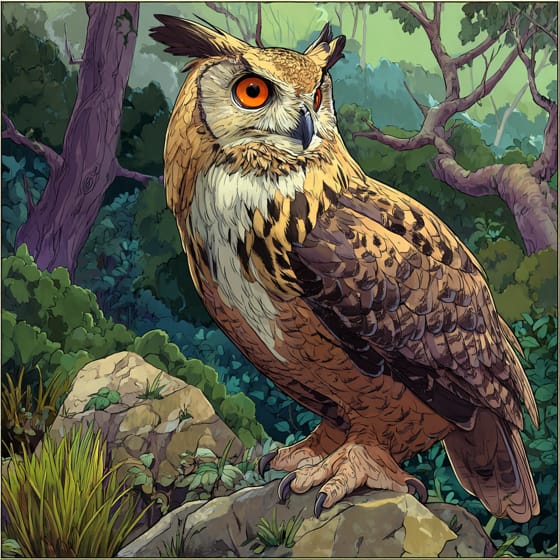
Bubo bubo
Owls are known to prey on bats during their nocturnal hunts.
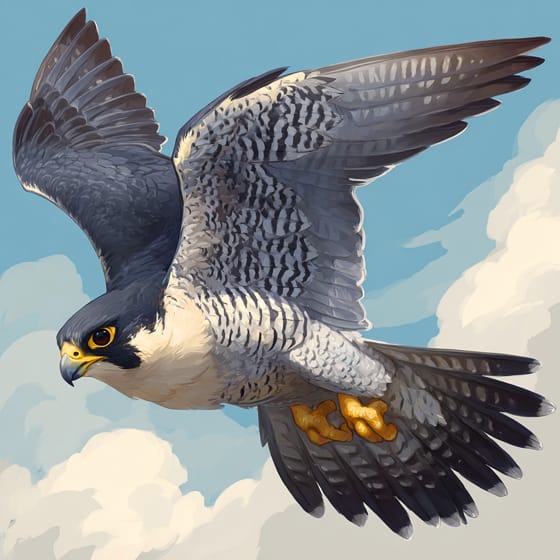
Falco peregrinus
Falcons sometimes catch bats, especially during twilight hours.

Noctua pronuba
This bat effectively hunts large night-flying moths as prey.

Melolontha melolontha
Large beetles are a significant part of their aerial insect diet.
Furry describes animals possessing a dense covering of soft hair or fur.
Social animals live in organized groups, cooperating for survival benefits such as foraging, defense, and raising offspring.
Aerial creatures spend a significant portion of their lives airborne, utilizing flight for various activities such as hunting, migration, or nesting.
Cave dwelling describes organisms specifically adapted to live in underground cave systems, often exhibiting specialized traits due to lack of light.

This trait identifies organisms whose diet primarily consists of insects and other small invertebrates.

Echolocation is a biological sonar used by animals to navigate, hunt, and communicate by emitting sound waves and interpreting the echoes.

This trait identifies organisms that exhibit exceptional swiftness in movement for hunting, escape, or travel.

This habitat trait indicates species that can coexist with humans in urban and suburban environments, utilizing man-made structures and green spaces.

Nocturnal animals are primarily active during the nighttime hours, typically resting or sleeping during the day.
Danger
1/5 · Very low
Bats are usually not dangerous, but it's best to watch them from a distance and not touch them.
The easiest way to identify Tadarida teniotis is to use the Snappit nature identifier app.
13-15 cm
41-45 cm
0.017-0.05 kg
10-15 years
100 km/h
This speedy bat is an expert at catching flying insects like moths and beetles high in the sky!
Caves and urban areas
Zoom in to split clusters and explore where this object has been snapped.
Recent snaps will appear here as new observations are added.
Take the discovery with you
Snap it with Snappit to identify it, learn what makes it special, and add the discovery to your collection.




.jpg&width=800)



.JPG&width=800)



.jpg&width=800)
