





Taiwanese Rain Tree
koelreuteria elegans
The Taiwanese Rain Tree has beautiful yellow flowers that bloom in the summer! Its large, spreading branches provide shade for all kinds of creatures.
Habitat: It grows in tropical and subtropical regions, often found in parks and gardens.
The Taiwanese Rain Tree has vibrant yellow flowers clustered in large panicles, followed by distinctive papery, balloon-like seed pods that mature from green to striking pink, orange, or reddish hues. Its deeply lobed, fern-like leaves provide a lush green canopy.
Category
PlantsRarity
Common
Danger
0/5 · No known danger
Snaps
1
It's called 'Rain Tree' because sweet honeydew often drips from its leaves!
Its amazing seed pods look exactly like mini Chinese lanterns!
Its wood is super light, but it's rarely used for building anything big!
This tree can grow incredibly fast, shooting up several feet in a single year!
Taiwanese Rain Tree has lightweight, papery seed pods that help its seeds travel far on the wind to find new places to grow.
Its deep root system allows the Taiwanese Rain Tree to access water from deeper soil, helping it survive dry periods.
The tree's bright yellow flowers are packed with nectar, attracting many different insects to help with pollination.
Apis mellifera
Visits flowers for nectar and pollen.
Aphis gossypii
Feeds on the tree's sap, producing honeydew.

Haemorhous mexicanus
Consumes small seeds from inside the tree's pods.
Arboreal animals live primarily in trees, utilizing them for shelter, food, and protection from predators.
Colorful describes organisms or objects displaying a wide range of bright and distinct colors.
This trait characterizes organisms whose diet consists entirely or primarily of plant material.
Forest habitats are terrestrial environments dominated by dense tree cover, supporting a high diversity of plant and animal life.

Describes organisms that transfer pollen, enabling the fertilization and reproduction of plants.
Danger
0/5 · No known danger
No special safety notes yet.
The easiest way to identify Taiwanese Rain Tree is to use the Snappit nature identifier app.
1000-1500 cm
800-1200 cm
1-2 cm
Summer to fall
No
None
Perennial
Zoom in to split clusters and explore where this object has been snapped.

Florida, US
You might spot Peters's Rock Agama, Brown Anole, and American Alligator.
View guide →

North Carolina, US
You might spot Pine, Sequoia, and Black Locust.
View guide →
Florida, US
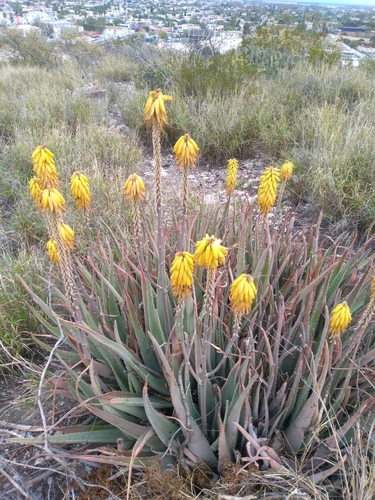
You might spot Aloe Vera, Taiwanese Rain Tree, and Spineless Yucca.
View guide →
Take the discovery with you
Snap it with Snappit to identify it, learn what makes it special, and add the discovery to your collection.








.jpg&width=800)



_001.jpg&width=800)




