





Tatarian honeysuckle
Lonicera tatarica
The Tatarian honeysuckle is a lovely shrub that blooms with pink and white flowers. It attracts butterflies and bees, making gardens colorful and lively!
Habitat: Urban areas
The Tatarian honeysuckle is a vigorous, bushy shrub with arching branches. It has oval green leaves and fragrant, paired tubular flowers that can be white, pink, or reddish. These mature into bright red, abundant berries that persist into winter.
Category
PlantsRarity
Common
Danger
1/5 · Very low
Snaps
Be the first to snap!
Its rapid growth and dense shade can prevent native tree seedlings from even growing on the forest floor.
One Tatarian honeysuckle shrub can live for up to 30 years, continuously spreading its influence.
This plant was intentionally brought to North America as a garden ornamental, but it quickly escaped!
Unlike many native shrubs, its bright red berries often stay on branches throughout winter.
Tatarian honeysuckle can grow quickly, allowing it to outcompete native plants for sunlight and resources.
Tatarian honeysuckle has abundant, brightly colored berries that attract birds, helping spread its seeds far and wide.
Tatarian honeysuckle's leaves emerge early in spring, giving it a head start to shade out and suppress other plants.
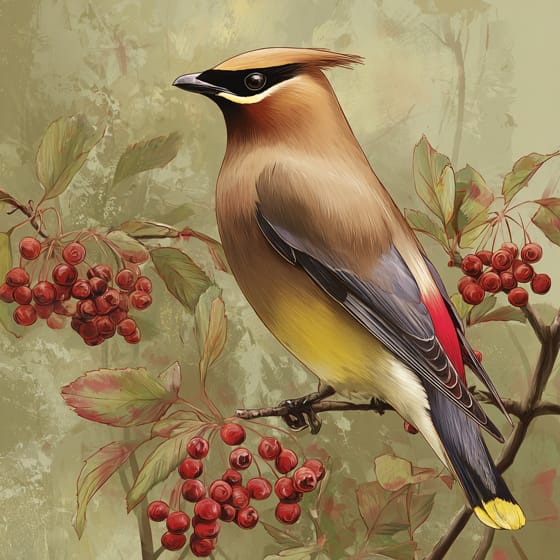
Bombycilla cedrorum
eats berries, dispersing seeds
Apis mellifera
visits flowers for nectar
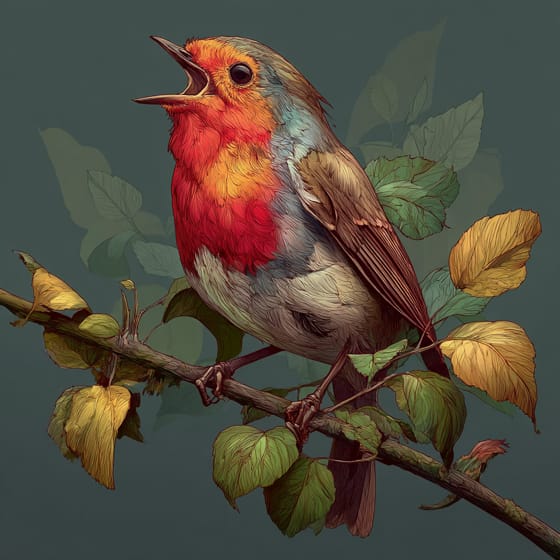
Turdus migratorius
consumes berries, aiding spread
Aromatic plants produce and emit fragrant volatile organic compounds, often for defense or to attract pollinators.
Deciduous plants periodically shed all their leaves, typically during autumn or dry seasons.
Flowering plants are any plants that produce flowers as part of their reproductive cycle.
A shrub is a woody plant smaller than a tree, typically with multiple stems branching from or near the ground.

Summer blooming plants produce their flowers during the summer season, often providing vibrant color when many other plants have finished.

Fragrant flowers emit a pleasant aroma, often to attract pollinators or for defense.

Fruit-bearing plants produce fruits, which are the mature ovaries of flowering plants containing seeds.

Describes plants that are particularly attractive and beneficial to a wide range of pollinating organisms.

This habitat trait indicates species that can coexist with humans in urban and suburban environments, utilizing man-made structures and green spaces.
No aliases listed yet.
Danger
1/5 · Very low
Always ask an adult before picking flowers or berries.
The easiest way to identify Tatarian honeysuckle is to use the Snappit nature identifier app.
150-300 cm
150-250 cm
1-2 cm
Late_spring-early_summer
No
Mild
Perennial
Zoom in to split clusters and explore where this object has been snapped.
Recent snaps will appear here as new observations are added.
Take the discovery with you
Snap it with Snappit to identify it, learn what makes it special, and add the discovery to your collection.




.jpg)



.jpg&width=800)


_001.jpg&width=800)




