





Texas sotol
Dasylirion texanum
The Texas sotol is a unique plant with long, spiky leaves that grow in a rosette shape. It can be found in the wild and is known for its tall flower stalks that can reach up to 10 feet high!
Habitat: Desert
The Texas sotol has a dense rosette of long, narrow, blue-green leaves, each with small, hooked teeth along the edges. Its magnificent central flower stalk can tower over the plant, reaching up to 4.5 meters, holding countless tiny, yellowish-white flowers.
Category
PlantsRarity
Common
Danger
2/5 · Low
Snaps
Be the first to snap!
Ancient people used sotol leaves to weave baskets, mats, and even sandals!
Some Texas sotol plants can live for an astonishing 50 to 100 years!
The plant's heart can be cooked to taste like a sweet, fibrous artichoke!
When its tall flower stalk dries, it becomes a strong, lightweight walking stick!
Texas sotol has a large, starchy heart that can be roasted and fermented into a traditional drink, helping people thrive in dry lands.
Texas sotol has thick, succulent-like leaves that store precious water, helping it survive long periods without rain.
Texas sotol has spiny, toothed leaf margins that create a protective barrier, helping to defend against hungry animals.
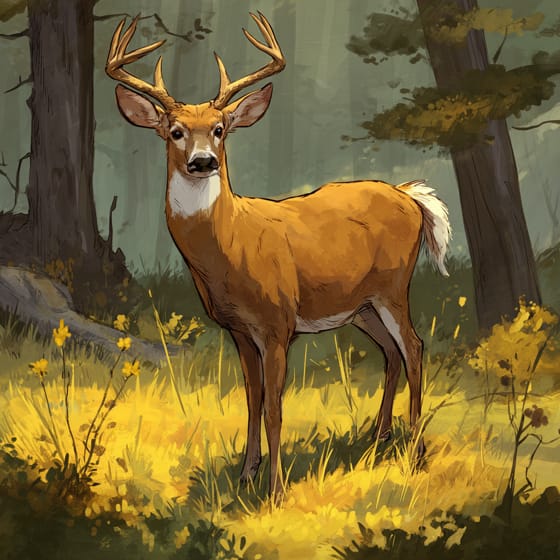
Odocoileus virginianus
Deer browse on the leaves
Apis mellifera
Bees visit its many small flowers

Neotoma albigula
Woodrats build nests in its dense leaves

Toxostoma curvirostre
Birds perch and nest within its protection
Flowering plants are any plants that produce flowers as part of their reproductive cycle.
Evergreen plants retain their foliage throughout the year, never shedding all their leaves at once.
Medicinal plants possess chemical compounds that can be used for therapeutic purposes to treat illnesses or maintain health.
Drought-tolerant plants can survive and flourish in conditions with limited water availability.

Describes plants that are particularly attractive and beneficial to a wide range of pollinating organisms.

Desert habitats are arid regions characterized by extremely low precipitation and often extreme temperatures, supporting specialized flora and fauna.

This trait characterizes organisms with an exceptionally long lifespan compared to others of their kind.

Possessing sharp, pointed projections or spines on the body or surface.
No aliases listed yet.
Danger
2/5 · Low
Be careful around the sharp leaves and always ask an adult before touching plants.
The easiest way to identify Texas sotol is to use the Snappit nature identifier app.
90-180 cm
90-120 cm
0.5-1 cm
Late spring to early summer
Yes
None
Perennial
Zoom in to split clusters and explore where this object has been snapped.
Recent snaps will appear here as new observations are added.
Take the discovery with you
Snap it with Snappit to identify it, learn what makes it special, and add the discovery to your collection.








.jpg&width=800)



_001.jpg&width=800)


