





thinleaf huckleberry
Vaccinium membranaceum
Thinleaf huckleberry is a small bush with tasty blue berries! These bushes grow in forests and are loved by animals and people alike for their sweet fruit.
Habitat: Forests
The thinleaf huckleberry has bright green, oval leaves with finely toothed edges, giving it a delicate appearance. Its small, urn-shaped flowers are typically pale pink to greenish-white, maturing into glossy, dark purple to black berries.
Category
PlantsRarity
Common
Danger
1/5 · Very low
Snaps
3
Despite its name, its 'berries' are technically small capsules with many tiny seeds inside!
Indigenous peoples have gathered and used these delicious berries for thousands of years as food and medicine!
Its tasty berries are a favorite snack for bears, who help spread its seeds far and wide!
This plant loves sunshine and is often one of the first to grow back vigorously after a forest fire!
Thinleaf huckleberry can resprout from its sturdy underground rhizomes after a forest fire, helping it quickly recover and colonize burned areas.
Its tough leaves and woody stems help it withstand harsh mountain winds and cold temperatures at high elevations, surviving where others can't.
This plant has robust root systems that help it thrive in nutrient-poor, acidic soils where many other plants struggle to grow.
Bombus occidentalis
visits bell-shaped flowers for nectar

Turdus migratorius
enjoys the sweet, dark berries
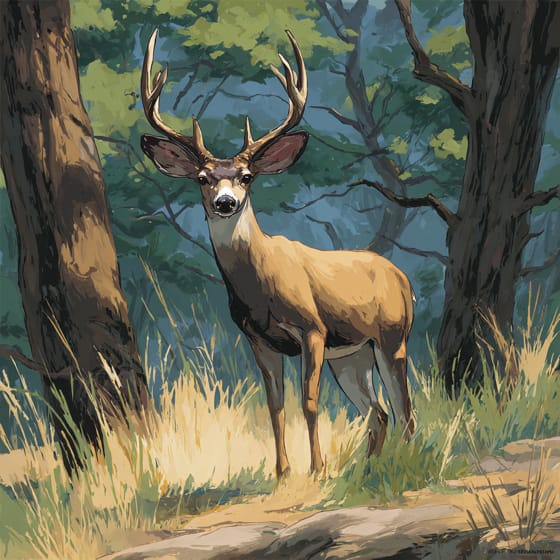
Odocoileus hemionus
browses on leaves and twigs
Deciduous plants periodically shed all their leaves, typically during autumn or dry seasons.
A shrub is a woody plant smaller than a tree, typically with multiple stems branching from or near the ground.
Fruit-bearing plants produce fruits, which are the mature ovaries of flowering plants containing seeds.
Medicinal plants possess chemical compounds that can be used for therapeutic purposes to treat illnesses or maintain health.

Edible plants are those parts of a plant that are considered safe for human consumption.

Describes plants that are particularly attractive and beneficial to a wide range of pollinating organisms.

This habitat trait identifies species found in mountainous regions, characterized by high elevation, steep slopes, and varying climate zones.

Forest habitats are terrestrial environments dominated by dense tree cover, supporting a high diversity of plant and animal life.
No aliases listed yet.
Danger
1/5 · Very low
Always ask an adult before picking and eating berries from bushes.
The easiest way to identify thinleaf huckleberry is to use the Snappit nature identifier app.
50-200 cm
50-150 cm
0.5-0.7 cm
Late spring to early summer
Yes
None
Perennial
Zoom in to split clusters and explore where this object has been snapped.

Montana, US
You might spot Bighorn Sheep and Mountain Goat.
View guide →

Montana, US
You might spot Thimbleberry, White-Tailed Deer, and Spreading Dogbane.
View guide →
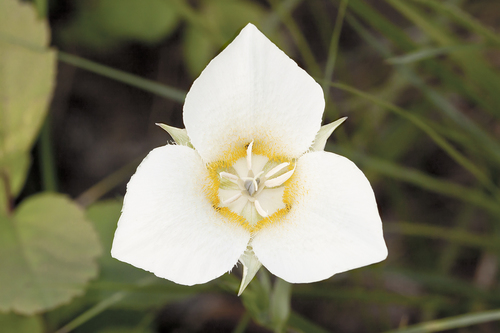
Montana, US
You might spot Baker's Mariposa Lily and Columbian Monkshood.
View guide →

British Columbia, CA
You might spot Canada Jay, Pink Mountainheath, and Yellow-Pine Chipmunk.
View guide →

British Columbia, CA
You might spot White Pasqueflower and Hoary Marmot.
View guide →
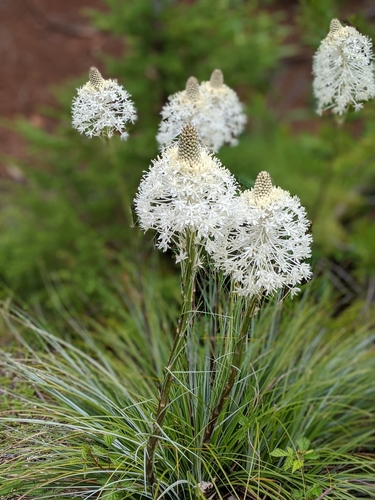
British Columbia, CA
You might spot Common Beargrass and White-Flowered Rhododendron.
View guide →
Take the discovery with you
Snap it with Snappit to identify it, learn what makes it special, and add the discovery to your collection.







.jpg&width=800)



_001.jpg&width=800)



