





Threeleaf Foamflower
Tiarella trifoliata
The Threeleaf Foamflower is a pretty little plant with delicate white flowers that look like tiny stars! It grows in shady places and adds beauty to the forest floor.
Habitat: Forests
The Threeleaf Foamflower has delicate spikes of frothy white, sometimes pink-tinged, star-like flowers that appear to float above its foliage. Its bright green leaves are distinctly three-lobed and can turn reddish-bronze in cooler temperatures, making it easily recognizable.
Category
PlantsRarity
Common
Danger
1/5 · Very low
Snaps
6
Its frothy white flowers look like seafoam, sparkling beautifully in the deep forest shade!
Native peoples used foamflower leaves to make soothing poultices for bug bites and stings!
The leaves can change to beautiful reddish or bronze colors when cold weather arrives!
This plant is sometimes called 'Coolwort' because it absolutely loves chilly, damp places!
Threeleaf Foamflower has delicate white flowers that cluster, creating a beautiful foamy appearance in the forest to attract tiny pollinators.
This plant thrives in deep shade, using specialized leaves to capture scarce sunlight on the dark forest floor.
Threeleaf Foamflower can spread by sending out underground rhizomes, helping it form lush carpets of foliage.
Bombus bifarius
Feeds on nectar, helping the plant reproduce.
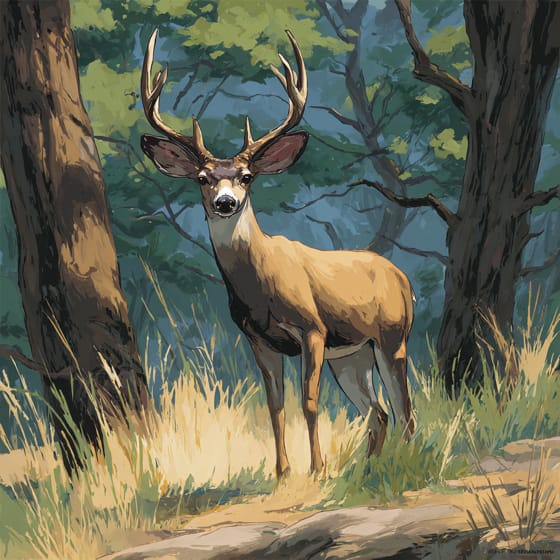
Odocoileus hemionus
Deer may browse the leaves of the plant.
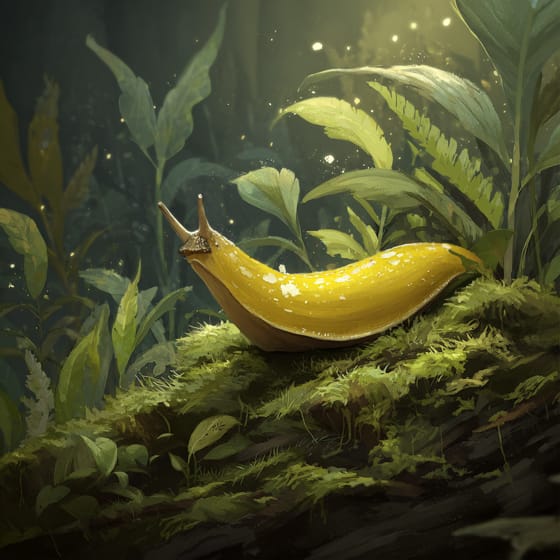
Ariolimax columbianus
Slugs feed on the leaves, especially in moist conditions.
Deciduous plants periodically shed all their leaves, typically during autumn or dry seasons.
Flowering plants are any plants that produce flowers as part of their reproductive cycle.
Shade tolerant plants are adapted to grow and thrive in areas with low light levels, requiring less direct sunlight.
Spring blooming plants produce their flowers during the spring season, often signifying the end of winter and the start of new growth.

Describes plants that are particularly attractive and beneficial to a wide range of pollinating organisms.

Forest habitats are terrestrial environments dominated by dense tree cover, supporting a high diversity of plant and animal life.
No aliases listed yet.
Danger
1/5 · Very low
Always look but don't touch plants unless you know they are safe!
The easiest way to identify Threeleaf Foamflower is to use the Snappit nature identifier app.
15-30 cm
30-60 cm
0.5-1 cm
Spring
No
None
Perennial
Zoom in to split clusters and explore where this object has been snapped.

California, US
You might spot Redwood Sorrel, Redwood, and Button's Banana Slug.
View guide →

Washington, US
You might spot Pacific Tree Frog and Long-Toed Salamander.
View guide →

Washington, US
You might spot Barrow's Goldeneye and Pacific Banana Slug.
View guide →

British Columbia, CA
You might spot Green Comma, Mourning Cloak, and Hoary Comma.
View guide →
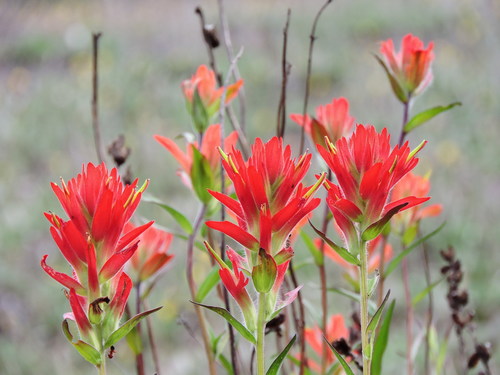
British Columbia, CA
You might spot Giant Red Paintbrush, Lupines, and Broadleaf Arnica.
View guide →

Washington, US
You might spot Pacific Banana Slug, Western Sword Fern, and Elk.
View guide →
Take the discovery with you
Snap it with Snappit to identify it, learn what makes it special, and add the discovery to your collection.






.jpg&width=800)



_001.jpg&width=800)



