





Thrushes
turdidae
Thrushes are beautiful birds that sing lovely songs! They love to hop around in gardens and forests looking for tasty insects and berries.
Habitat: Thrushes can be found in forests, gardens, and parks across many regions.
The Thrushes are medium-sized songbirds, often plump-bodied with soft brown, grey, or olive plumage. Many species, especially juveniles, feature distinct spotting or streaking on their pale undersides, contrasting with their generally plainer backs.
Category
BirdsRarity
Common
Danger
0/5 · No known danger
Snaps
Be the first to snap!
A thrush's powerful leg muscles allow it to hop quickly across the ground while searching for food.
Baby thrushes can grow all their flight feathers in just two weeks after hatching!
Some thrush species can sing two different notes at the same time, making their songs extra rich!
They often perform a 'stop-run' foraging technique to find worms in the grass.
Thrushes can tilt their heads and use keen hearing to locate hidden worms and insects underground.
Thrushes have complex vocal cords that help them produce beautiful, flute-like songs to attract mates and defend territory.
Thrushes help new plants grow by eating fruits and then dispersing the seeds in their droppings far away.
Thrushes are omnivores, mostly eating insects and berries they find on the ground or in trees.
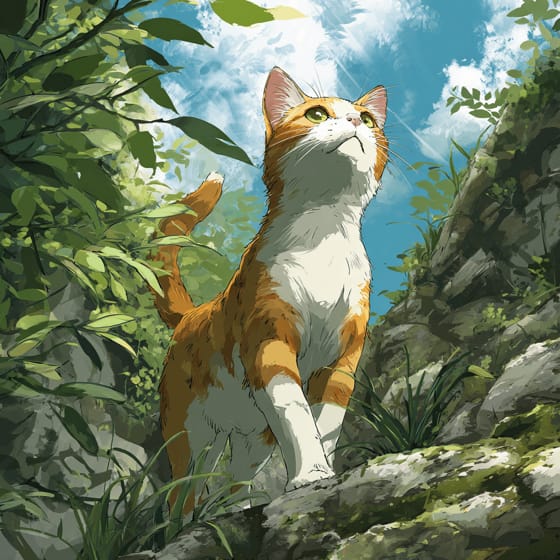
Felis catus
Domestic cats prey on thrushes, especially ground-nesting young.
Lumbricus terrestris
Thrushes eat earthworms, a primary food source, especially in spring.
.jpg&width=800)
Rubus idaeus
Thrushes eat the fruits of raspberries, helping to disperse their seeds.
.jpg&width=800)
Molothrus ater
Cowbirds lay eggs in thrush nests, having thrushes raise their young.
Social animals live in organized groups, cooperating for survival benefits such as foraging, defense, and raising offspring.
This trait identifies organisms whose diet includes both plant and animal matter.
Colorful describes organisms or objects displaying a wide range of bright and distinct colors.
Forest habitats are terrestrial environments dominated by dense tree cover, supporting a high diversity of plant and animal life.

Diurnal animals are primarily active during daylight hours, typically resting or sleeping at night.
Danger
0/5 · No known danger
No special safety notes yet.
The easiest way to identify Thrushes is to use the Snappit nature identifier app.
16-30 cm
30-48 cm
0.04-0.15 kg
2-10 years
50 km/h
Thrushes are omnivores, mostly eating insects and berries they find on the ground or in trees.
Thrushes can be found in forests, gardens, and parks across many regions.
Zoom in to split clusters and explore where this object has been snapped.
Recent snaps will appear here as new observations are added.
Take the discovery with you
Snap it with Snappit to identify it, learn what makes it special, and add the discovery to your collection.




.jpg&width=800)








