_(6804020555).jpg&width=800)





Tievine
Ipomoea cordatotriloba
The Tievine is a beautiful plant with heart-shaped leaves and lovely flowers. It grows quickly and can climb up other plants, making it a fun addition to gardens and nature trails.
Habitat: Urban areas
The Tievine has vibrant, trumpet-shaped flowers, typically pink to purple with a lighter throat, contrasting with its heart-shaped to three-lobed leaves. Its slender, twisting stems readily climb, creating a lush, sprawling cover over other plants.
Category
PlantsRarity
Common
Danger
1/5 · Very low
Snaps
9
Some parts of this plant contain special compounds; eating many seeds can cause moderate effects!
The Tievine is related to sweet potatoes, but its roots and seeds are not for eating!
This strong vine can grow over 15 feet long, rapidly blanketing fences and even small trees!
Tievine flowers often open at dawn and close by midday, lasting only a single day!
Tievine can cling and twine its stems around supports, allowing it to quickly climb and reach sunlight above competing plants.
Tievine grows quickly and vigorously, enabling it to colonize new areas and outcompete other vegetation efficiently.
Tievine produces numerous seeds that can remain viable in soil for years, ensuring its survival and spread in diverse conditions.
Apis mellifera
Bees visit its nectar-rich flowers for food.
Agrius cingulata
Its caterpillars feed on Tievine leaves.
Tetranychus urticae
Tiny mites suck sap from its leaves.
Deciduous plants periodically shed all their leaves, typically during autumn or dry seasons.
Ornamental plants are cultivated primarily for their aesthetic appeal, enhancing landscapes and gardens with their attractive foliage, flowers, or form.
Summer blooming plants produce their flowers during the summer season, often providing vibrant color when many other plants have finished.
Fragrant flowers emit a pleasant aroma, often to attract pollinators or for defense.

Describes plants that are particularly attractive and beneficial to a wide range of pollinating organisms.

Rapid growing plants exhibit accelerated growth rates, quickly increasing in size and biomass within a short period.

This habitat trait indicates species that can coexist with humans in urban and suburban environments, utilizing man-made structures and green spaces.
No aliases listed yet.
Danger
1/5 · Very low
Always check with an adult before touching or picking plants.
The easiest way to identify Tievine is to use the Snappit nature identifier app.
100-500 cm
50-200 cm
3-7 cm
Summer-Fall
No
Moderate
Perennial
Zoom in to split clusters and explore where this object has been snapped.
South Carolina, US
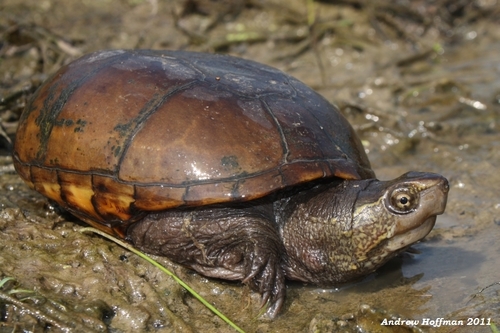
You might spot Eastern Mud Turtle, Anole, and Mediterranean House Gecko.
View guide →

Texas, US
You might spot Reticulated Giraffe, Zebra, and White Rhinoceros.
View guide →

Texas, US
You might spot Giraffes, Tiger, and Hippopotamus.
View guide →

Texas, US
You might spot African Lion, Giraffes, and Hippopotamus.
View guide →

Texas, US
You might spot Yaupon Holly, American Beautyberry, and Loblolly Pine.
View guide →

Texas, US
You might spot Antelopehorn Milkweed and Lindheimer's Senna.
View guide →
Take the discovery with you
Snap it with Snappit to identify it, learn what makes it special, and add the discovery to your collection.








.jpg&width=800)


_001.jpg&width=800)




