





Tortoises
Testudinidae
Tortoises are slow-moving reptiles with hard shells that protect them. They can live for a very long time and enjoy munching on plants and veggies.
Habitat: Grasslands
The Tortoise has a distinctive, high-domed shell that can be various shades of brown, green, or black, providing strong protection. Its thick, club-like legs end in stumpy feet, unlike the flatter shells and webbed feet of aquatic turtles.
Category
ReptilesRarity
Common
Danger
1/5 · Very low
Snaps
Be the first to snap!
A group of tortoises is playfully called a 'creep'!
Some tortoises can survive for an entire year without food or water in harsh conditions!
Their protective shell is actually made of 60 bones fused together, connected to their spine!
They don't have external ears but can feel vibrations in the ground through their shell and skull!
Tortoises has a sturdy, dome-shaped shell that helps them retreat entirely inside for ultimate protection from predators.
Tortoises can store water in their large bladders, which helps them survive long periods without drinking in dry environments.
Tortoises can dig deep burrows using their strong limbs, which helps them escape extreme heat, cold, or danger underground.
Tortoises has an incredibly slow metabolism that helps them live for over a hundred years, making them very long-lived.
Tortoises are herbivores, mostly munching on leaves, grasses, fruits, and colorful flowers.
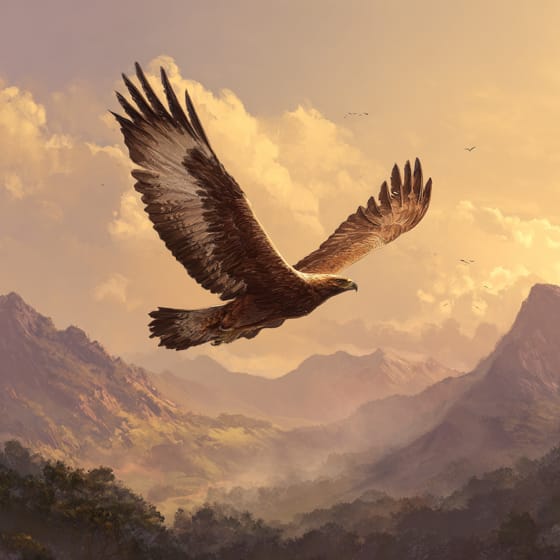
Aquila chrysaetos
Eats eggs and hatchlings of some tortoise species.
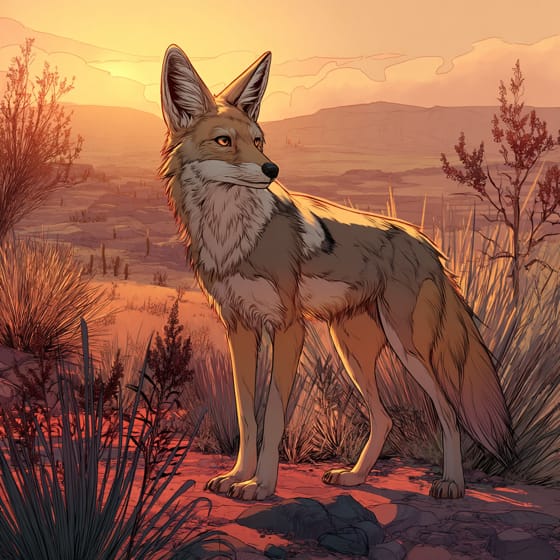
Canis latrans
Preys on tortoise eggs and young hatchlings in its range.
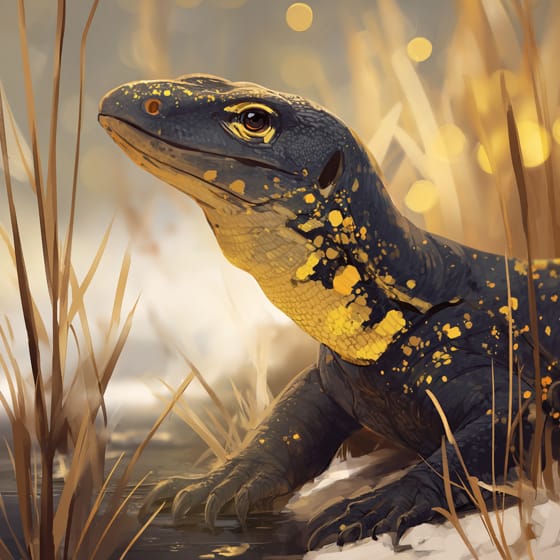
Varanus niloticus
Consumes tortoise eggs and small juveniles.
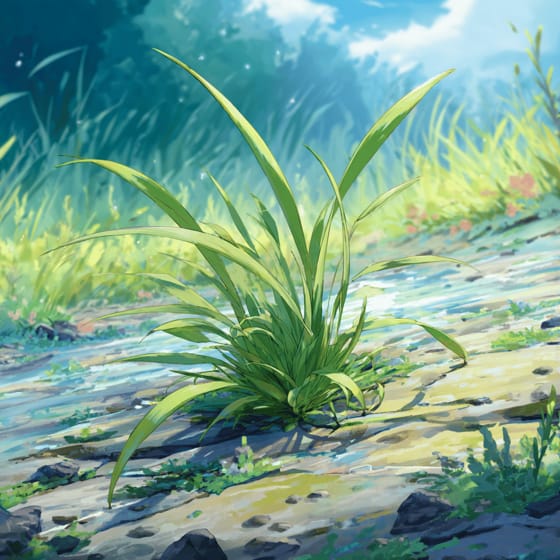
Cynodon dactylon
A common food source for many grazing tortoise species.
Solitary animals live alone for most of their lives, only interacting with others for mating or parental care.
Grassland habitats are terrestrial biomes dominated by grasses and herbaceous plants, supporting a variety of grazing animals.
This trait characterizes organisms whose diet consists entirely or primarily of plant material.
This trait signifies organisms belonging to a very old evolutionary group with ancestors dating back millions of years.

This trait characterizes organisms with an exceptionally long lifespan compared to others of their kind.

Armored describes animals protected by a hard, external covering or shell for defense.

Diurnal animals are primarily active during daylight hours, typically resting or sleeping at night.

Endangered status indicates a species is at a very high risk of extinction in the wild in the near future.
Danger
1/5 · Very low
Always watch tortoises from a distance and never try to pick them up without help.
The easiest way to identify Tortoises is to use the Snappit nature identifier app.
10-120 cm
0.1-400 kg
30-190 years
0.3 km/h
Tortoises are herbivores, mostly munching on leaves, grasses, fruits, and colorful flowers.
Grasslands
Foraging
Zoom in to split clusters and explore where this object has been snapped.
Recent snaps will appear here as new observations are added.

New York, US
You might spot Giraffes, Kangaroos, Wallabies and Allies, and Capybara.
View guide →

Tennessee, US
You might spot Red Panda, African Lion, and Reticulated Giraffe.
View guide →

California, US
You might spot Giant Anteaters and Black-and-Gold Howler Monkey.
View guide →

Florida, US
You might spot Macaques, Squirrel Monkeys, and Blackcap.
View guide →

California, US
You might spot Ant, Chimpanzee, and African Lion.
View guide →
Florida, US
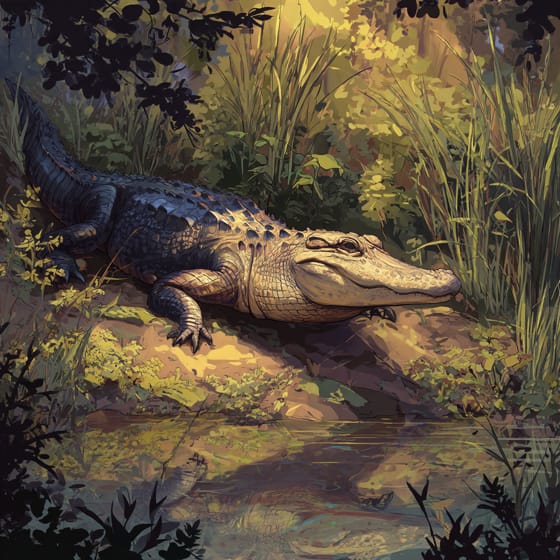
You might spot American Alligator, Crocodile, and Caiman.
View guide →
Take the discovery with you
Snap it with Snappit to identify it, learn what makes it special, and add the discovery to your collection.














