





tree spurge
Euphorbia dendroides
Tree spurge is a unique plant that looks like a small tree! It has thick, green stems and bright yellow flowers that bloom in spring. This plant is special because it can grow in rocky places where other plants might struggle.
Habitat: Coastal areas
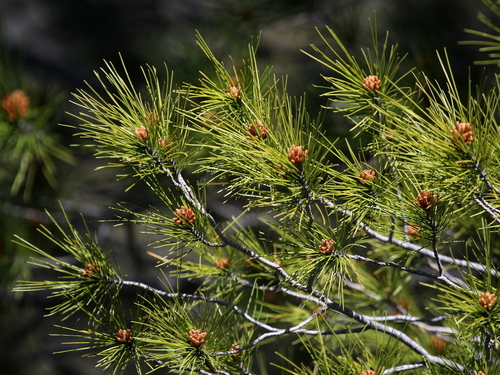
The tree spurge is a striking, rounded shrub that often resembles a small tree, boasting a dense crown. Its leaves are spirally arranged, turning vibrant yellow-green during its winter to spring bloom. After flowering, the plant can take on a distinctive umbrella-like shape.
Category
PlantsRarity
Common
Danger
2/5 · Low
Snaps
Be the first to snap!
Even though its sap is irritating, ancient doctors once used it in their remedies!
It loves sunny, rocky hillsides, growing like a mini tree by the sparkling sea!
Its bright yellow 'flowers' are actually colorful leaves called bracts, not true petals!
This clever plant can drop all its leaves to 'sleep' through super hot, dry summers!
Tree spurge has a milky, sticky sap that oozes out to defend against hungry nibblers, making them think twice.
It can drop all its leaves in summer to avoid drying out, saving water until cooler weather returns.
Tree spurge blooms in late winter, helping it grab sunshine and pollinators before other plants wake up.
Its strong roots help it cling to rocky slopes, finding tiny cracks for water where other plants can't grow.
Apis mellifera
Honey bees collect nectar and pollen from its early spring flowers.
Syrphus ribesii
Hoverflies visit the plant for nectar, aiding in pollen transfer.
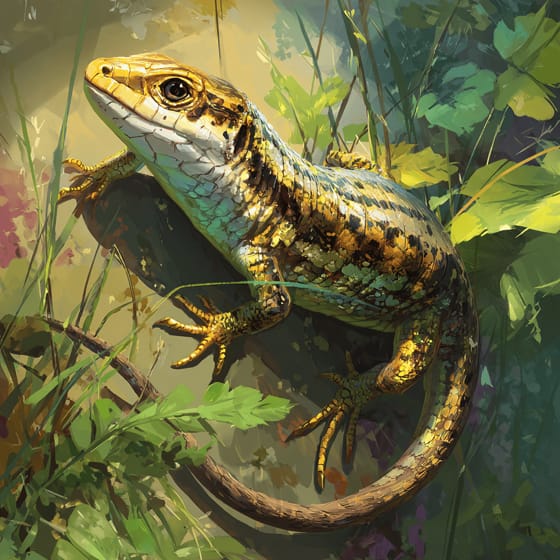
Podarcis muralis
Lizards often hide in its dense branches for cover and shade.
Flowering plants are any plants that produce flowers as part of their reproductive cycle.
A shrub is a woody plant smaller than a tree, typically with multiple stems branching from or near the ground.
Spring blooming plants produce their flowers during the spring season, often signifying the end of winter and the start of new growth.
Broadleaf trees are angiosperms characterized by flat, wide leaves that are typically shed annually in temperate climates.

Medicinal plants possess chemical compounds that can be used for therapeutic purposes to treat illnesses or maintain health.

Drought-tolerant plants can survive and flourish in conditions with limited water availability.

Describes plants that are particularly attractive and beneficial to a wide range of pollinating organisms.

Coastal habitats are dynamic environments located along the interface between land and sea, influenced by tides, waves, and saltwater.

Describes organisms that transfer pollen, enabling the fertilization and reproduction of plants.
No aliases listed yet.
Danger
2/5 · Low
Be careful not to touch the sap, as it can irritate your skin.
The easiest way to identify tree spurge is to use the Snappit nature identifier app.
50-200 cm
50-150 cm
0.5-1.5 cm
Late_winter-early_spring
No
Moderate
Perennial
Zoom in to split clusters and explore where this object has been snapped.
Recent snaps will appear here as new observations are added.
Take the discovery with you
Snap it with Snappit to identify it, learn what makes it special, and add the discovery to your collection.








.jpg&width=800)


_001.jpg&width=800)




