





Two-Striped Forceptail
aphylla williamsoni
The Two-Striped Forceptail is a vibrant insect known for its striking stripes. It loves to flutter around flowers, making it a delightful sight for nature lovers!
Habitat: Gardens, meadows, and forests.
The Two-Striped Forceptail has a greenish-yellow thorax marked with two distinct dark brown stripes. Its abdomen is dark brown with noticeable yellow patterns, and its clear, strong wings stretch outward. This medium-large dragonfly features prominent claspers at its tail end.
Category
InsectsRarity
Common
Danger
1/5 · Very low
Snaps
Be the first to snap!
Dragonflies are ancient insects; their ancestors flew over 300 million years ago!
Each of its four wings can move separately, allowing amazing aerial tricks.
Its babies, called nymphs, live underwater for years before they become flying adults!
This dragonfly can quickly change direction in mid-air, making it a master flyer.
Two-Striped Forceptail has huge compound eyes that help them see almost all around, spotting tiny prey easily.
Two-Striped Forceptail can fly incredibly fast and hover or even fly backward because of its powerful, independently moving wings.
Two-Striped Forceptail can grab insects right out of the air using its spiky legs, which act like a basket.
This speedy hunter catches many flying insects, helping keep pesky bug populations in check!
Age differences: Nymphs hunt aquatic larvae and tadpoles; adults catch flying insects in the air.
Anopheles quadrimaculatus
eats them mid-air
Musca domestica
a common aerial meal
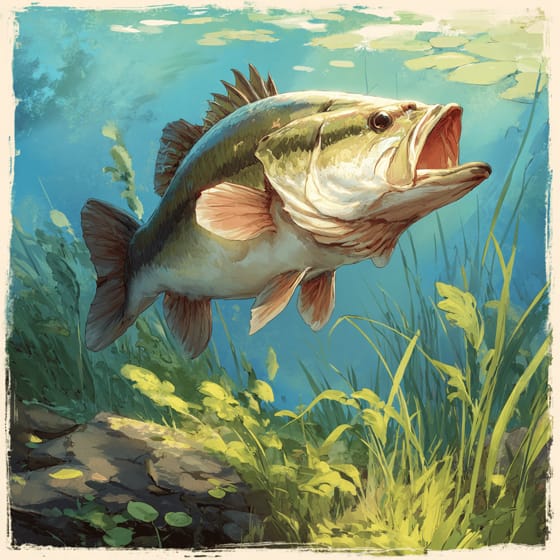
Micropterus salmoides
fish prey on nymphs
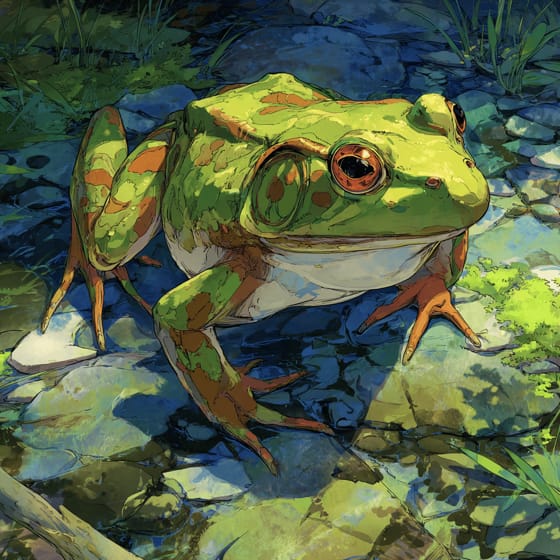
Rana catesbeiana
eats dragonfly nymphs
Marked with parallel bands or lines of color.
Solitary animals live alone for most of their lives, only interacting with others for mating or parental care.
Colorful describes organisms or objects displaying a wide range of bright and distinct colors.
Diurnal animals are primarily active during daylight hours, typically resting or sleeping at night.

Describes organisms that transfer pollen, enabling the fertilization and reproduction of plants.
Danger
1/5 · Very low
No special safety notes yet.
The easiest way to identify Two-Striped Forceptail is to use the Snappit nature identifier app.
90-110 mm
55-70 mm
45-75 days
35-50 km/h
This speedy hunter catches many flying insects, helping keep pesky bug populations in check!
Gardens, meadows, and forests.
Pursuit
Zoom in to split clusters and explore where this object has been snapped.
Recent snaps will appear here as new observations are added.
Take the discovery with you
Snap it with Snappit to identify it, learn what makes it special, and add the discovery to your collection.








.jpg&width=800)



