





Potato Leafhopper
Empoasca fabae
The Potato Leafhopper is a tiny insect that loves to jump around! It has bright green wings and can be found on plants, especially potatoes. These little critters are fun to spot in gardens.
Habitat: Urban areas, Gardens
The Potato Leafhopper is a tiny, wedge-shaped insect, typically bright green to yellowish-green. It has clear wings that extend beyond its body and a distinctive pale stripe, often iridescent, running down its back. Its slender form helps it blend seamlessly with plant foliage.
Category
InsectsRarity
Common
Danger
1/5 · Very low
Snaps
Be the first to snap!
A single female can lay up to 100 eggs in her short adult lifetime!
Female leafhoppers lay their tiny, invisible eggs safely inside plant stems!
Potato Leafhoppers cause 'hopperburn,' making plant leaves turn brown and crinkly!
They can travel hundreds of miles carried by strong winds across continents!
Potato Leafhopper has a needle-like mouthpart that helps them drink sap from plants, getting all their nutrients from leaves.
Potato Leafhopper can fly on wind currents over long distances, which helps them find new food sources and spread widely.
Potato Leafhopper has a bright green color that helps them perfectly blend in with plant leaves, hiding from hungry birds.
Tiny sap-suckers, they drink nourishing juices straight from plant leaves and stems!
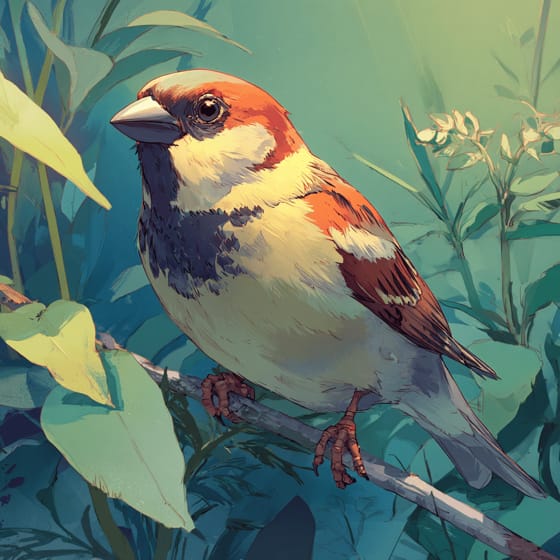
Passer domesticus
A common bird that preys on insects in gardens.
Araneus diadematus
Spins webs to catch flying and jumping insects.

Solanum tuberosum
Feeds on the sap, sometimes causing plant damage.

Medicago sativa
A preferred host plant where they feed and lay eggs.
Camouflaged describes organisms that possess coloring or patterns that allow them to blend into their environment.
This trait characterizes organisms whose diet consists entirely or primarily of plant material.
Describes plants that are particularly attractive and beneficial to a wide range of pollinating organisms.
Diurnal animals are primarily active during daylight hours, typically resting or sleeping at night.

Pertaining to species that are significantly smaller than typical or average for their kind.

This trait identifies organisms that exhibit exceptional swiftness in movement for hunting, escape, or travel.

This habitat trait indicates species that can coexist with humans in urban and suburban environments, utilizing man-made structures and green spaces.

Describes organisms that transfer pollen, enabling the fertilization and reproduction of plants.
No aliases listed yet.
Danger
1/5 · Very low
Always be gentle and watch where you step in gardens to protect little insects.
The easiest way to identify Potato Leafhopper is to use the Snappit nature identifier app.
3-4 mm
14-21 days
Tiny sap-suckers, they drink nourishing juices straight from plant leaves and stems!
Urban areas, Gardens
Foraging
6
Zoom in to split clusters and explore where this object has been snapped.
Recent snaps will appear here as new observations are added.
Take the discovery with you
Snap it with Snappit to identify it, learn what makes it special, and add the discovery to your collection.







.jpg&width=800)




