Turkey

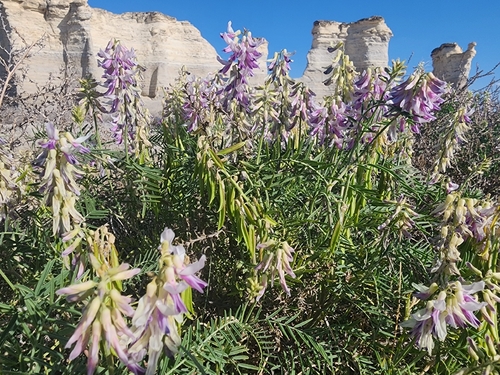
Monument Rocks is a geological marvel rising dramatically from the western Kansas prairie.
Monument Rocks is a geological marvel rising dramatically from the western Kansas prairie. This National Natural Landmark, often called the "Chalk Pyramids," features towering formations of Niobrara Chalk, sculpted by millions of years of natural erosion into spectacular spires, arches, and buttes. These unique formations, reaching up to 70 feet in height, offer a breathtaking glimpse into a prehistoric past when this entire region was submerged beneath a vast inland sea. Designated in 1968, Monument Rocks stands as a testament to the powerful forces of nature and the deep history of the North American continent.
The formations are not just visually striking; they are also a world-renowned paleontological site, rich with fossils from the Late Cretaceous Period. Visitors can marvel at the layers of chalk composed of microscopic marine organisms, and perhaps spot the outlines of fossilized giant clam shells, some measuring up to four feet in diameter, embedded within the rock. Though actual fossil hunting is prohibited, the sheer presence of these ancient remains speaks volumes about the incredible diversity of life that once thrived here, including swimming reptiles like mosasaurs and plesiosaurs, large fish, and even gliding pterosaurs.
Visiting Monument Rocks is an unforgettable experience, transporting you to a landscape unlike any other in the Midwest. It offers a unique opportunity to connect with deep time, ponder the forces that shaped our planet, and capture stunning photographs of these natural sculptures. The quiet beauty of the prairie, coupled with the awe-inspiring scale and intricate details of the chalk formations, makes it a memorable stop for anyone traversing the Sunflower State. Planning to visit? Download the Snappit app to identify the wildlife you spot in real-time.
The story of Monument Rocks began approximately 80 million years ago during the Late Cretaceous Period, when a vast body of water known as the Western Interior Seaway covered much of North America, including what is now Kansas. Over millions of years, the skeletal remains of countless microscopic marine organisms, along with larger creatures, settled on the seabed, forming thick deposits of chalk. As the seaway receded and the land uplifted, these chalk beds were exposed to the elements, and wind, rain, and the once-larger Smoky Hill River began their slow work of erosion, sculpting the dramatic monoliths we see today. The formations have long served as a significant landmark. Native American tribes, including the Cheyenne, Arapaho, and Sioux, considered them a spiritual site and used them as hunting grounds. Later, in the 19th century, pioneers and travelers on the historic Smoky Hill Trail and Butterfield Overland Despatch relied on Monument Rocks as a vital navigational guide across the vast prairie. In 1968, Monument Rocks achieved national recognition, becoming Kansas' first National Natural Landmark, and was later named one of the "8 Wonders of Kansas".
Walk among the formations, appreciating their unique shapes and immense scale. Engage in photography, as the formations offer endless artistic possibilities. Look for remnants of ancient marine life in the chalk, and take in the vastness of the surrounding prairie landscape.
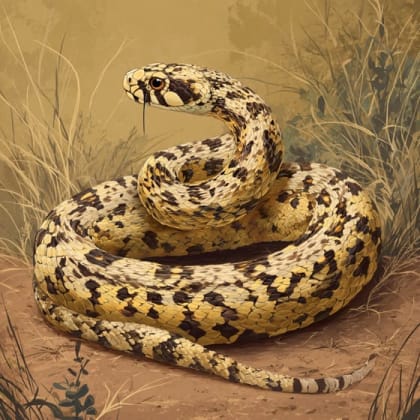
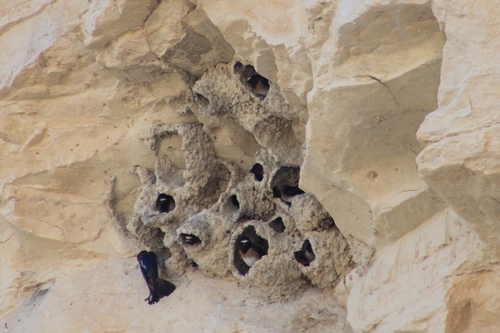
While enjoyable year-round, dry conditions are essential for accessing the site due to unpaved roads. Summer visits offer clear blue skies, while winter can transform the landscape with a blanket of snow. Keep an eye out for local wildlife such as eagles, falcons, deer, pronghorn antelope, and jackrabbits, though rattlesnakes are also present. Cliff swallows are known to nest in the formations.
Monument Rocks is located on private property accessed via unpaved dirt and gravel roads. While you can view the formations from a vehicle, exploring closer involves walking on uneven, unpaved terrain that can be challenging for wheelchairs or strollers. There are no paved trails or visitor facilities on site.
The primary attractions are the towering chalk monoliths themselves, including iconic formations like the "Keyhole Arch" and the "Eye of the Needle". Keep an eye out for the "Charlie the Dog" formation as well. Observe the distinct layers of chalk and search for visible fossilized clam shells within the rock and scattered on the ground.
Each card links to a full Explore page with photos, traits, and fun facts.
Start with the big picture, then zoom in to explore individual wildlife observations around this place.
Check weather and road conditions
The access roads are unpaved and can become impassable when wet. Visit only during dry weather.
Come prepared
There are no services (restrooms, gas, water, food) at Monument Rocks. Bring your own water, snacks, and ensure your vehicle has a full tank of gas.
Respect the land
Monument Rocks is on private property. Adhere to all posted rules: no climbing, no fossil hunting, no littering, no camping, no bonfires, and no drones. "Take only pictures, leave only footprints" is the golden rule.
Download maps
Cell service can be unreliable in this remote area, so download offline maps or bring a paper map for navigation.
Plan photo ops
The "Keyhole Arch" is a favorite for photographers, especially during sunrise or sunset for dramatic lighting.
Consider combining your trip
Enhance your understanding of the area's paleontology by visiting the nearby Keystone Gallery, Fick Fossil and History Museum in Oakley, or the Sternberg Museum in Hays.
May 10, 2025
Photo attribution
(c) Kaden Slone, some rights reserved (CC BY)
License: CC BY 4.0 ↗
Image may be shown cropped inside the card frame.
May 10, 2025
Photo attribution
(c) Kaden Slone, some rights reserved (CC BY)
License: CC BY 4.0 ↗
Image may be shown cropped inside the card frame.
May 18, 2026
May 18, 2026
May 17, 2026

Maryland, US
You might spot White-Tailed Deer and Eastern Gray Squirrel.
View guide →
.jpg)
District of Columbia, US
You might spot Eastern Gray Squirrel, Duck, and House Sparrow.
View guide →

Illinois, US
You might spot American Robin, Canada Goose, and House Sparrow.
View guide →

Virginia, US
You might spot Spotted Lanternfly and Northern Cardinal.
View guide →
Take the discovery with you
Identify the wildlife you spot, learn as you go, and keep a collection of the adventure.