





Typical Snapping Turtles
Chelydra
Typical snapping turtles are big reptiles that live in water and on land. They have strong jaws and a tough shell, making them unique and interesting creatures to discover!
Habitat: Wetlands
The Typical Snapping Turtle has a large, rugged, dark brown or olive-green shell with a saw-toothed rear edge. Its powerful head features a pointed snout and strong, hooked jaws. A long, muscular tail, often as long as its shell, distinguishes it from many other turtles.
Category
ReptilesRarity
Common
Danger
3/5 · Moderate
Snaps
Be the first to snap!
Baby snapping turtles are only the size of a quarter when they hatch!
Despite their tough look, female snapping turtles dig perfect nests for their eggs using only their hind legs!
Some snapping turtles can stay underwater for hours by lowering their heart rate and metabolism!
They can eat almost anything, even plants and dead animals they find!
Typical Snapping Turtles can deliver a bone-crushing bite because of their strong jaws that help them defend themselves and catch prey.
Typical Snapping Turtles has a dark, algal-covered shell that helps them blend perfectly into murky pond bottoms, surprising unsuspecting prey.
Typical Snapping Turtles can extend their neck quickly to grab prey because of their flexible neck bones that help them strike from a distance.
Typical Snapping Turtles can wait motionless for hours because their low metabolism allows them to hold their breath for extended periods underwater.
They eat almost anything they can catch or find, from fish and frogs to plants and dead animals.
Age differences: Young turtles eat more insects; adults hunt larger fish and small animals.
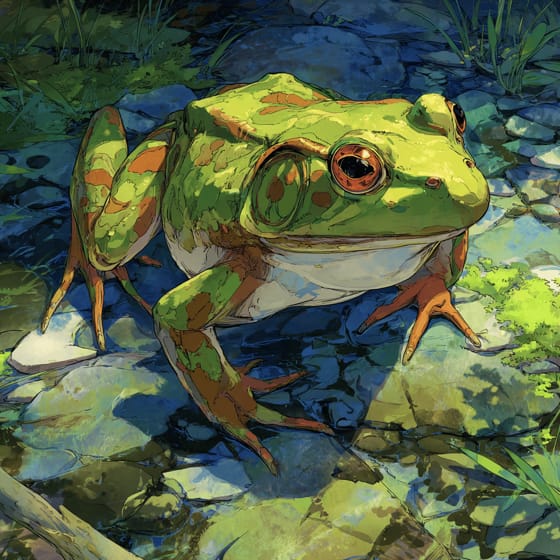
Rana catesbeiana
Preys on frogs found in its aquatic habitat.
Anas platyrhynchos
Ambushes ducklings swimming near the surface.

Procyon lotor
Raccoons often raid nests to eat their eggs.
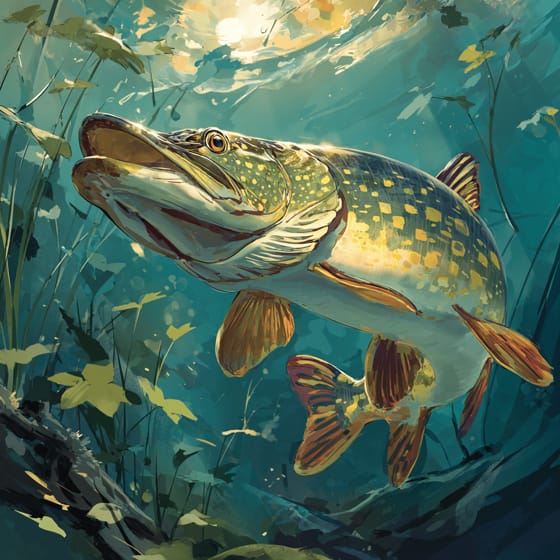
Esox lucius
Large pike may opportunistically eat small hatchlings.
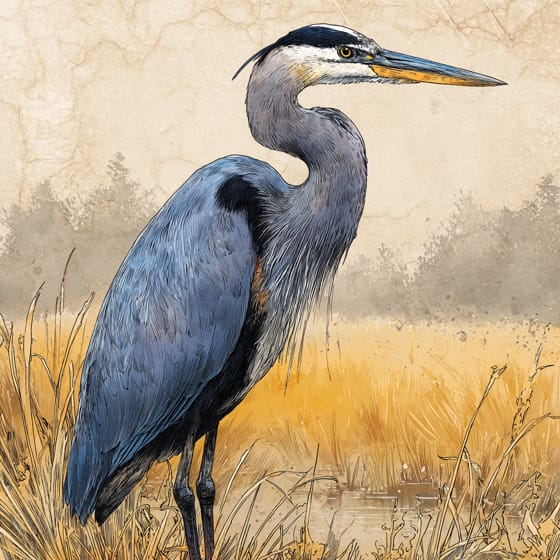
Ardea herodias
Hatchlings can be prey for wading birds.
Solitary animals live alone for most of their lives, only interacting with others for mating or parental care.
An ambush predator hunts by patiently waiting and concealing itself, then launching a sudden attack when unsuspecting prey comes within range.
This trait characterizes organisms with an exceptionally long lifespan compared to others of their kind.
This habitat trait identifies species found in wetlands, which are areas of land saturated with water, either permanently or seasonally, including marshes, swamps, and bogs.

Armored describes animals protected by a hard, external covering or shell for defense.

This trait identifies organisms whose diet consists entirely or primarily of animal tissue.

Diurnal animals are primarily active during daylight hours, typically resting or sleeping at night.

Describes a species whose presence and role have a disproportionately large effect on its environment.

This trait identifies organisms that exhibit exceptional swiftness in movement for hunting, escape, or travel.

Aquatic habitats encompass environments where organisms live predominantly in water, including oceans, rivers, lakes, and wetlands.
No aliases listed yet.
Danger
3/5 · Moderate
If you see a snapping turtle, watch from a distance. They can bite if they feel scared.
The easiest way to identify Typical Snapping Turtles is to use the Snappit nature identifier app.
20-47 cm
4.5-16 kg
30-47 years
10 km/h
They eat almost anything they can catch or find, from fish and frogs to plants and dead animals.
3 km/h
Wetlands
Zoom in to split clusters and explore where this object has been snapped.
Recent snaps will appear here as new observations are added.
Take the discovery with you
Snap it with Snappit to identify it, learn what makes it special, and add the discovery to your collection.














