





upright prairie coneflower
Ratibida columnifera
The upright prairie coneflower is a bright yellow flower that loves to grow in sunny places. Its tall stem and unique shape make it stand out in fields and gardens.
Habitat: Grasslands
The upright prairie coneflower has a distinctive central cone, often dark brown, surrounded by drooping yellow (or sometimes reddish-brown) ray petals. This unique shape makes it resemble a little sombrero or "Mexican Hat," standing tall above other prairie plants.
Category
PlantsRarity
Common
Danger
1/5 · Very low
Snaps
19
Indigenous peoples used parts of this plant for teas and to make bright yellow dyes.
Its "hat-like" flower inspired its nickname "Mexican Hat" or "Thimbleflower."
Its seeds provide a vital winter food source for many small birds, like finches.
The central cone is actually made of hundreds of tiny, individual flowers!
upright prairie coneflower's nectar-rich flowers attract many different types of bees and butterflies, helping pollinate the prairie.
upright prairie coneflower can grow well in disturbed or poor soils, helping to re-establish vegetation in tough spots.
Apis mellifera
visits for nectar and pollen
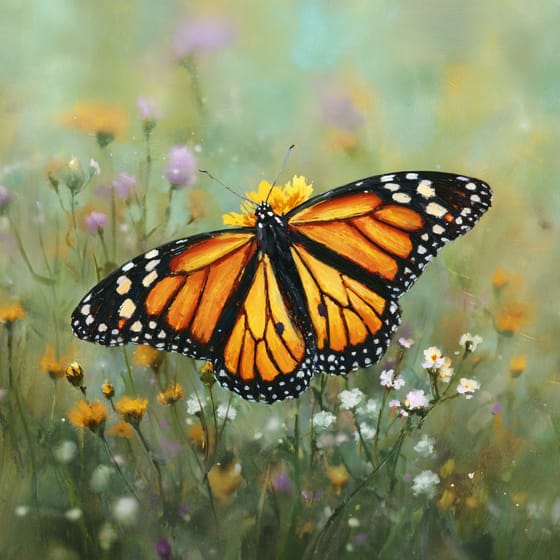
Danaus plexippus
sips nectar from its flowers
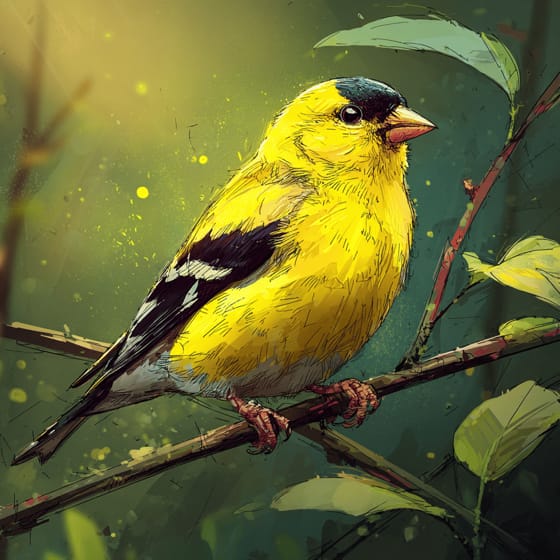
Carduelis tristis
eats its protein-rich seeds

Bombus impatiens
gathers nectar and pollen
Flowering plants are any plants that produce flowers as part of their reproductive cycle.
Summer blooming plants produce their flowers during the summer season, often providing vibrant color when many other plants have finished.
Colorful describes organisms or objects displaying a wide range of bright and distinct colors.
Grassland habitats are terrestrial biomes dominated by grasses and herbaceous plants, supporting a variety of grazing animals.

Describes plants that are particularly attractive and beneficial to a wide range of pollinating organisms.

Rapid growing plants exhibit accelerated growth rates, quickly increasing in size and biomass within a short period.
No aliases listed yet.
Danger
1/5 · Very low
Always look but don't touch flowers unless a grown-up says it's okay.
The easiest way to identify upright prairie coneflower is to use the Snappit nature identifier app.
30-90 cm
30-60 cm
3-7 cm
Late spring to fall
Yes
None
Perennial
Zoom in to split clusters and explore where this object has been snapped.

Texas, US
You might spot Anole, Monarch, and Pinkladies.
View guide →

Texas, US
You might spot Texas Hedgehog Cactus, Ornate Tree Lizard, and Cactus Wren.
View guide →

Colorado, US
You might spot Eastern Fox Squirrel, Bee, and Duck.
View guide →

Texas, US
You might spot Eastern Fox Squirrel and Great-Tailed Grackle.
View guide →

Colorado, US
You might spot Common Starlily and Wholeleaf Paintbrush.
View guide →

New Mexico, US
You might spot Duck, Greater Roadrunner, and American Robin.
View guide →
Take the discovery with you
Snap it with Snappit to identify it, learn what makes it special, and add the discovery to your collection.








.jpg&width=800)



_001.jpg&width=800)




