





Ural Owl
Strix uralensis
The Ural Owl is a beautiful bird with big, round eyes and soft, gray feathers. They love to hunt at night and can be found in forests where they make their homes in tree holes.
Habitat: Forests
The Ural Owl is a large, pale grey-brown owl with distinct dark streaking on its underside. It has a rounded head, prominent facial disc, and lacks ear tufts, setting it apart from many other large owls. Its striking yellow eyes and beak contrast with its muted plumage.
Category
BirdsRarity
Common
Danger
2/5 · Low
Snaps
Be the first to snap!
Mother owls are very brave, fiercely protecting their eggs and fluffy young owlets!
They sometimes use old squirrel nests or abandoned hawk nests for their owlets!
This owl's piercing scream can sound like a scary warning in the quiet forest.
Ural Owls can hunt small prey even when it's hidden deep under snow.
Ural Owl can glide silently through forests because of special soft feathers that absorb sound, helping them ambush prey.
Ural Owl has asymmetrical ears that help them pinpoint tiny sounds, allowing them to hunt even when it's totally dark.
Ural Owl can turn its head almost 270 degrees in either direction, helping them scan their surroundings without moving their body.
These nocturnal hunters love munching on small mammals and birds in the forest!

Microtus agrestis
A primary small mammal food source.
Apodemus sylvaticus
Another frequent and important prey species.
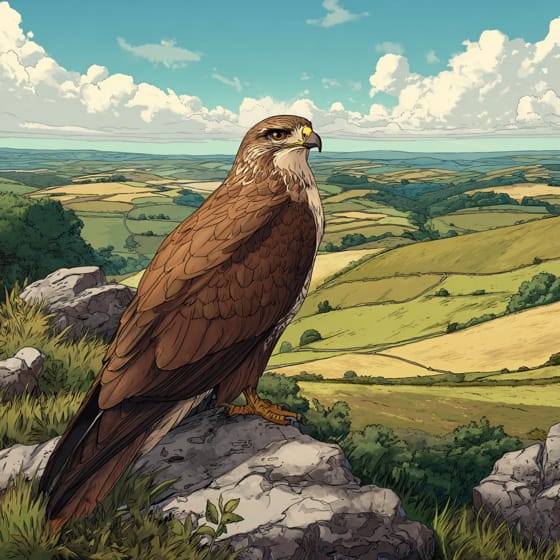
Buteo buteo
Often reuses their abandoned nests for breeding.
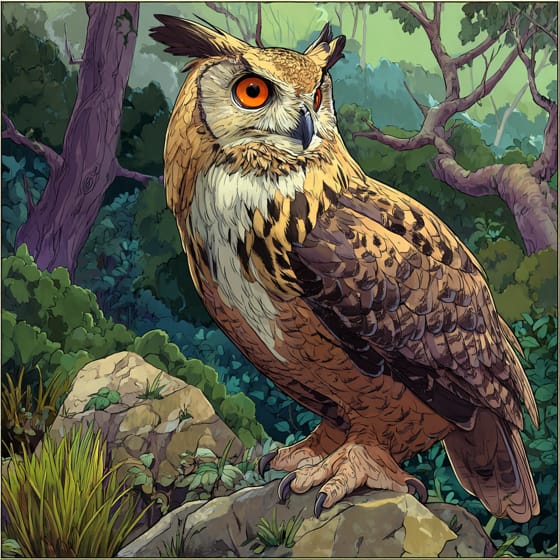
Bubo bubo
Larger owls can sometimes prey on adult Ural Owls.
Feathered describes animals, primarily birds, possessing a covering of feathers.
Marked with spots or patches of a different color.
Solitary animals live alone for most of their lives, only interacting with others for mating or parental care.
An ambush predator hunts by patiently waiting and concealing itself, then launching a sudden attack when unsuspecting prey comes within range.

Forest habitats are terrestrial environments dominated by dense tree cover, supporting a high diversity of plant and animal life.

This trait identifies organisms whose diet consists entirely or primarily of animal tissue.

Nocturnal animals are primarily active during the nighttime hours, typically resting or sleeping during the day.

Endangered status indicates a species is at a very high risk of extinction in the wild in the near future.
No aliases listed yet.
Danger
2/5 · Low
If you see an owl, watch quietly from a distance. They are wild animals and should not be approached.
The easiest way to identify Ural Owl is to use the Snappit nature identifier app.
50-65 cm
105-135 cm
0.5-1.3 kg
15-25 years
40 km/h
These nocturnal hunters love munching on small mammals and birds in the forest!
Forests
Zoom in to split clusters and explore where this object has been snapped.
Recent snaps will appear here as new observations are added.
Take the discovery with you
Snap it with Snappit to identify it, learn what makes it special, and add the discovery to your collection.





.jpg&width=800)






