




Vagabond Sod Webworm Moth
Agriphila vulgivagellus
The Vagabond Sod Webworm Moth is a small, delicate moth that loves to flutter around grassy areas. Its caterpillars make little webs in the grass, which can be fun to spot!
Habitat: Grasslands
The Vagabond Sod Webworm Moth has a slender body and a wingspan of up to 30mm. Its forewings are dull, straw-yellow to brownish, often with a darker central stripe and subtle lines, blending perfectly with dried grasses. The hindwings are paler.
Category
InsectsRarity
Common
Danger
1/5 · Very low
Snaps
Be the first to snap!
Adult moths have a special straw-like mouthpart called a proboscis, though they rarely feed.
Did you know moth "ears" are on their chest, helping them dodge hungry bats?
Some years, these common moths appear in such huge numbers they fly like a living cloud!
These caterpillars can sometimes eat so much grass root, they create bare patches!
Vagabond Sod Webworm Moth can hide perfectly in dried grasses because its dull colors and patterns blend with its surroundings.
Vagabond Sod Webworm Moth larvae can create protective silk tunnels in the grass to shield themselves from predators and weather.
Vagabond Sod Webworm Moths are active at night, helping them avoid daytime predators and find mates in the dark.
Caterpillars munch on grass roots, while adult moths typically do not feed or consume minimal nectar.
Age differences: Larvae are herbivorous, feeding on plant roots and leaves; adults may consume nectar but often do not feed.
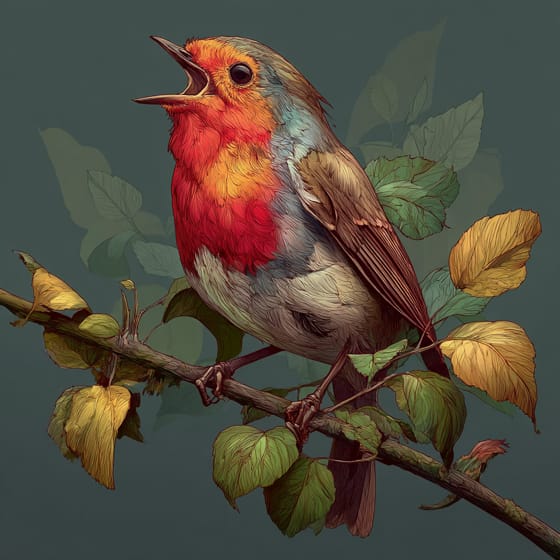
Turdus migratorius
Robins consume both larval and adult moths.
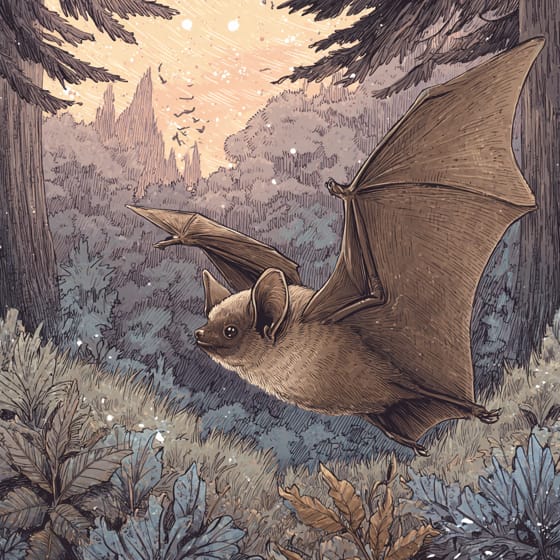
Myotis lucifugus
Bats are key nocturnal predators of adult moths.
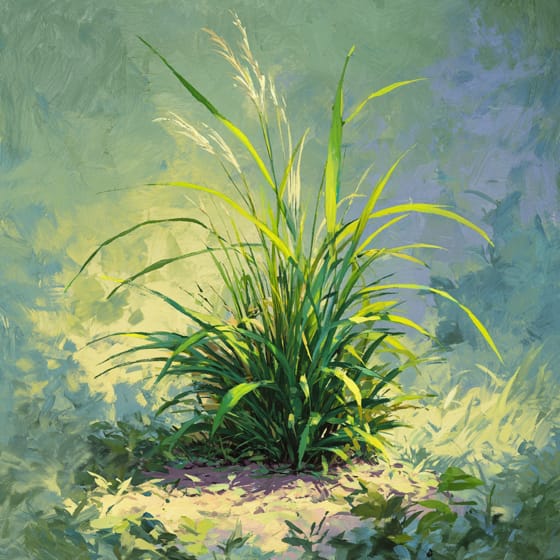
Poa pratensis
Larvae feed extensively on the roots of this common grass.
Cotesia marginiventris
Wasp larvae develop inside the moth's caterpillars.
Solitary animals live alone for most of their lives, only interacting with others for mating or parental care.
This trait characterizes organisms that construct elaborate silken webs for catching prey, shelter, or reproduction.
Camouflaged describes organisms that possess coloring or patterns that allow them to blend into their environment.
Grassland habitats are terrestrial biomes dominated by grasses and herbaceous plants, supporting a variety of grazing animals.

This trait characterizes organisms whose diet consists entirely or primarily of plant material.

Describes organisms that break down dead organic material, recycling nutrients back into the ecosystem.

Pertaining to species that are significantly smaller than typical or average for their kind.

Nocturnal animals are primarily active during the nighttime hours, typically resting or sleeping during the day.

Describes organisms that transfer pollen, enabling the fertilization and reproduction of plants.
No aliases listed yet.
Danger
1/5 · Very low
These moths are harmless, but it's best to observe them without touching.
The easiest way to identify Vagabond Sod Webworm Moth is to use the Snappit nature identifier app.
20-30 mm
10-14 mm
7-14 days
Caterpillars munch on grass roots, while adult moths typically do not feed or consume minimal nectar.
Grasslands
Foraging
6
Zoom in to split clusters and explore where this object has been snapped.
Recent snaps will appear here as new observations are added.
Take the discovery with you
Snap it with Snappit to identify it, learn what makes it special, and add the discovery to your collection.







.jpg&width=800)




