





Varied Carpet Beetle
Anthrenus verbasci
The Varied Carpet Beetle is a small, colorful bug that loves to hide in carpets and clothes. It has pretty patterns on its back and helps clean up by eating tiny bits of food.
Habitat: Urban areas
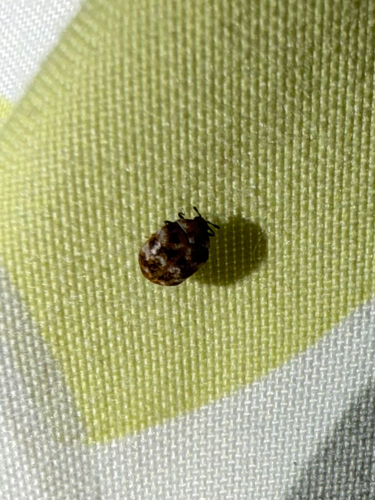
The Varied Carpet Beetle is a tiny, oval-shaped insect, typically 2-3.5mm long. It has a distinctive mottled pattern of white, yellowish-brown, and dark brown or black scales, giving it a patchy, calico-like appearance, unlike solid-colored beetles.
Category
InsectsRarity
Common
Danger
1/5 · Very low
Snaps
12
Adult carpet beetles are secret flower visitors, sipping nectar and pollen!
If food runs out, their larvae can stop growing for *months*, waiting for more!
Some people confuse these tiny, round beetles with fuzzy, mottled ladybugs!
Their amazing larvae can digest tough stuff like wool, silk, and even feathers!
Varied Carpet Beetle larvae can digest tough keratin because it helps them eat things like wool and feathers.
Varied Carpet Beetle larvae have bristly hairs that help them blend in or deter hungry predators.
Varied Carpet Beetles can fly easily into homes through small cracks to find food and shelter.
Tiny cleanup crew members, munching on natural fibers and dried materials.
Age differences: Larvae eat natural fibers and dried organic matter, while adults feed on nectar and pollen from flowers.
Ovis aries
larvae consume wool from their coats or products.
Bombyx mori
larvae consume silk from their cocoons or fabrics.
Apanteles carpatus
tiny wasp larvae grow inside the beetle larvae.
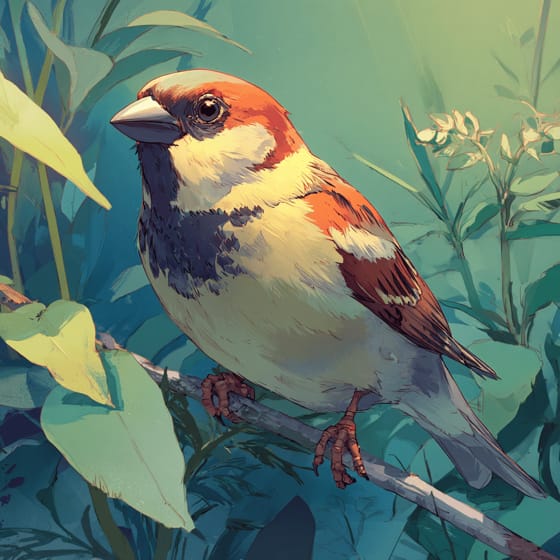
Passer domesticus
adult beetles can become a quick snack for sparrows.
Solitary animals live alone for most of their lives, only interacting with others for mating or parental care.
This trait identifies organisms whose diet includes both plant and animal matter.
Scavengers consume dead organic matter, helping to decompose carcasses and other waste in the ecosystem.
Colorful describes organisms or objects displaying a wide range of bright and distinct colors.

Describes organisms that break down dead organic material, recycling nutrients back into the ecosystem.

Hibernating animals enter a state of metabolic depression during cold periods or when food is scarce, characterized by reduced body temperature and activity.

Pertaining to species that are significantly smaller than typical or average for their kind.

This habitat trait indicates species that can coexist with humans in urban and suburban environments, utilizing man-made structures and green spaces.

Describes organisms that transfer pollen, enabling the fertilization and reproduction of plants.
No aliases listed yet.
Danger
1/5 · Very low
Don't touch insects you find at home; they might be hiding in your clothes.
The easiest way to identify Varied Carpet Beetle is to use the Snappit nature identifier app.
2-3.5 mm
60-365 days
Tiny cleanup crew members, munching on natural fibers and dried materials.
Urban areas
Foraging
6
Zoom in to split clusters and explore where this object has been snapped.
May 17, 2026
Bean Hill Historic DistrictPhoto attribution
(c) Sawyer Baran, some rights reserved (CC BY)
License: CC BY 4.0 ↗
Image may be shown cropped inside the card frame.

Rhode Island, US
You might spot Common Mugwort, Duck, and Azure Bluet.
View guide →

Connecticut, US
You might spot Striped Wintergreen and Common Eastern Bumble Bee.
View guide →

Connecticut, US
You might spot Striped Wintergreen and Common Eastern Bumble Bee.
View guide →

Rhode Island, US
You might spot Common Eastern Bumble Bee and Asian Lady Beetle.
View guide →

Delaware, US
You might spot American Toad, Eastern Tiger Swallowtail, and Red Fox.
View guide →

Washington, US
You might spot Tiger, Walrus, and Polar Bear.
View guide →
Take the discovery with you
Snap it with Snappit to identify it, learn what makes it special, and add the discovery to your collection.









.jpg&width=800)



