





Vesper Sparrow
Pooecetes gramineus
The Vesper Sparrow is a small, brown bird that loves to sing! You can often find it hopping around in fields and grasslands, especially during the warm months.
Habitat: Grasslands
The Vesper Sparrow is a medium-sized, streaky brown bird with a pale belly. It has a distinctive chestnut patch on its shoulder, a fine eye-ring, and, most notably, white outer tail feathers that flash visibly in flight.
Category
BirdsRarity
Common
Danger
1/5 · Very low
Snaps
4
Baby Vesper Sparrows grow super fast, leaving the nest in just 7-10 days, even before they can fly well!
Their name, "Vesper," means "evening," because they often sing their beautiful song as the sun sets.
They use a cool "double-scratch" move, kicking dirt with both feet at once to find buried snacks.
Wow! The Vesper Sparrow is the ONLY sparrow with white outer tail feathers, like a secret signal!
Vesper Sparrows can disappear into grassy fields because their streaky brown feathers perfectly blend with the dry vegetation, protecting them from predators.
Vesper Sparrows have a beautiful, melodious song they often sing at dusk, giving them their name ("vesper" means evening) and helping them attract mates.
Vesper Sparrows can build cleverly concealed nests directly on the ground, tucked under dense grass clumps, keeping their eggs safe from prying eyes.
Vesper Sparrows use their feet to scratch and kick away leaf litter, uncovering hidden seeds and insects for a tasty meal, much like a tiny chicken!
Tiny ground birds that snack on tasty insects and various seeds found on the ground.
Age differences: Adults eat more seeds in winter, while young chicks need protein-rich insects.
Thamnophis sirtalis
preys on nests and young Vesper Sparrow chicks.
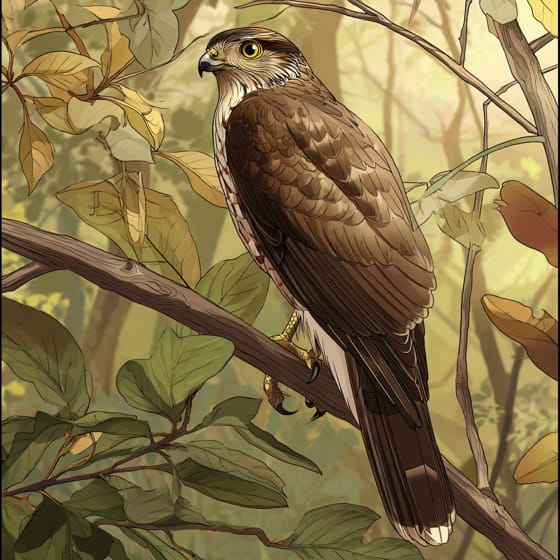
Accipiter cooperii
hunts adult sparrows in open areas.

Andropogon gerardii
relies on its seeds for food and dense cover for nests.

Melanoplus differentialis
a key insect food source for growing chicks and adults.
Feathered describes animals, primarily birds, possessing a covering of feathers.
Social animals live in organized groups, cooperating for survival benefits such as foraging, defense, and raising offspring.
Singing animals produce complex vocalizations, often for purposes of attracting mates, defending territory, or communicating within their species.
Grassland habitats are terrestrial biomes dominated by grasses and herbaceous plants, supporting a variety of grazing animals.

This trait identifies organisms whose diet primarily consists of insects and other small invertebrates.

Diurnal animals are primarily active during daylight hours, typically resting or sleeping at night.
No aliases listed yet.
Danger
1/5 · Very low
It's best to watch birds from a distance and not disturb their nests.
The easiest way to identify Vesper Sparrow is to use the Snappit nature identifier app.
13-16 cm
23-28 cm
0.02-0.03 kg
2-5 years
40 km/h
Tiny ground birds that snack on tasty insects and various seeds found on the ground.
Grasslands
Zoom in to split clusters and explore where this object has been snapped.

Michigan, US
You might spot Eastern Skunk Cabbage and Kirtland's Warbler.
View guide →

Iowa, US
You might spot Common Milkweed, Amur Honeysuckle, and Canada Anemone.
View guide →

Wyoming, US
You might spot Moose, Arrowleaf Balsamroot, and Creeping Mahonia.
View guide →

South Dakota, US
You might spot Bighorn Sheep and Narrow-Leaved Purple Coneflower.
View guide →
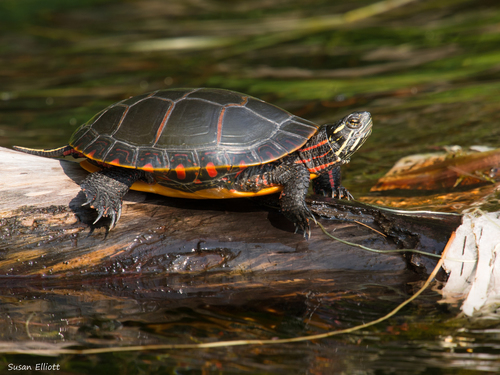
British Columbia, CA
You might spot Painted Turtle and Antelope Bitterbrush.
View guide →
Take the discovery with you
Snap it with Snappit to identify it, learn what makes it special, and add the discovery to your collection.




.jpg&width=800)









