





Violet tanbark beetle
Callidium violaceum
The violet tanbark beetle is a shiny, purple insect that loves to munch on wood. It has long antennae and is often found in forests where it helps break down dead trees.
Habitat: Forests
The Violet tanbark beetle is a slender beetle with a striking, iridescent blue or violet body, often shimmering with greenish hues. Its long antennae are distinct, and its hard wing covers (elytra) are noticeably ridged. This vibrant coloration makes it stand out from typical bark beetles.
Category
InsectsRarity
Common
Danger
1/5 · Very low
Snaps
Be the first to snap!
Adults emerge in spring and summer, sometimes attracted to cut timber or firewood piles!
Its stunning blue color isn't a pigment, but from light scattering on tiny shell structures!
Larvae can live hidden inside logs for up to three years before transforming into adults!
These amazing beetles help decompose dead trees, making forests healthier naturally!
Violet tanbark beetle larvae can digest dead wood because they have special enzymes that break down tough cellulose, helping clear forests.
Violet tanbark beetles have an iridescent exoskeleton that helps them shimmer in shades of blue or violet, potentially confusing predators.
Violet tanbark beetles can locate suitable dead wood for their larvae using sensitive antennae that detect specific chemical signals from trees.
Larvae feast on the nutritious inner bark and sapwood of dead conifer trees.
Age differences: Larvae consume wood; adults feed minimally on sap or pollen, or not at all.
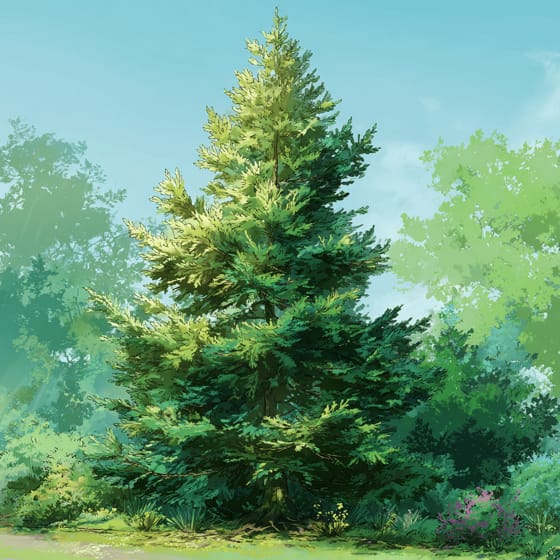
Picea abies
Larvae feed on dead wood.
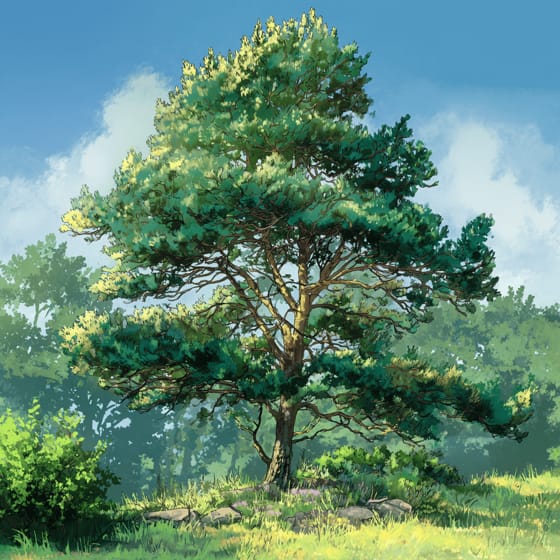
Pinus sylvestris
Larvae feed on dead wood.
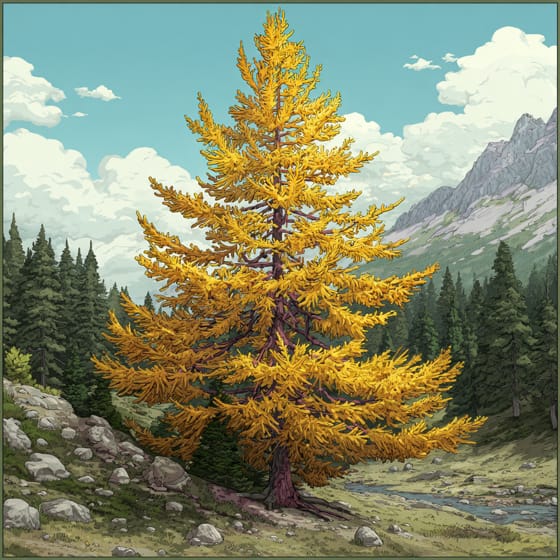
Larix decidua
Larvae feed on dead wood.
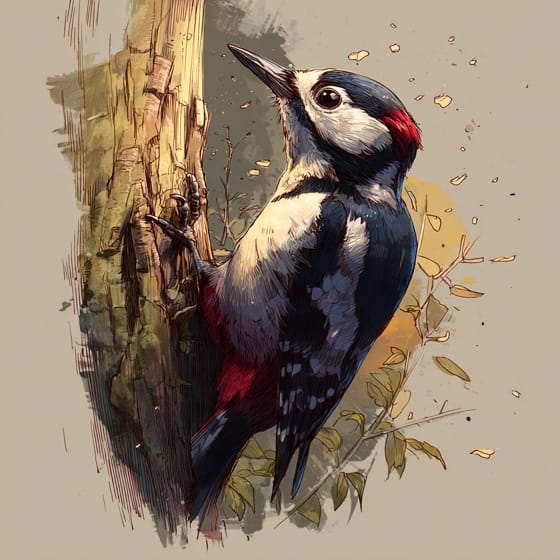
Dendrocopos major
Woodpeckers extract larvae from wood.
Formica rufa
Ants prey on adult beetles.
Solitary animals live alone for most of their lives, only interacting with others for mating or parental care.
Colorful describes organisms or objects displaying a wide range of bright and distinct colors.
This trait characterizes organisms whose diet consists entirely or primarily of plant material.
Describes organisms that break down dead organic material, recycling nutrients back into the ecosystem.

Forest habitats are terrestrial environments dominated by dense tree cover, supporting a high diversity of plant and animal life.

Describes a species whose presence and role have a disproportionately large effect on its environment.
No aliases listed yet.
Danger
1/5 · Very low
Be gentle and watch where you step in the forest; insects like these are tiny and can be easily hurt.
The easiest way to identify Violet tanbark beetle is to use the Snappit nature identifier app.
18-35 mm
8-15 mm
30-90 days
Larvae feast on the nutritious inner bark and sapwood of dead conifer trees.
Forests
Foraging
6
Zoom in to split clusters and explore where this object has been snapped.
Recent snaps will appear here as new observations are added.
Take the discovery with you
Snap it with Snappit to identify it, learn what makes it special, and add the discovery to your collection.








.jpg&width=800)

