





Virginia sweetspire
Itea virginica
Virginia sweetspire is a lovely shrub that blooms with beautiful white flowers in spring. It grows in wet areas and has shiny green leaves that turn bright red in the fall, making it a colorful addition to gardens.
Habitat: Wetlands
The Virginia sweetspire has graceful, arching stems adorned with long, drooping clusters of fragrant white flowers, making it look like tiny fireworks. Its glossy green leaves transform into brilliant shades of crimson, orange, and purple in autumn, standing out vividly.
Category
PlantsRarity
Common
Danger
1/5 · Very low
Snaps
10
It can live for many years, growing stronger each season!
Its long flower clusters can look like foamy waterfalls!
Native Americans used parts of this plant for traditional remedies.
This plant is a super magnet for butterflies and busy bees!
Virginia sweetspire can thrive in soggy soil and even shallow water, helping it grow where many other plants can't.
Virginia sweetspire has leaves that dramatically shift to fiery red, orange, and purple in fall, creating a stunning show.
Virginia sweetspire releases a sweet fragrance from its flowers, which helps attract helpful insects like bees and butterflies.
Apis mellifera
collects nectar and pollen from flowers.
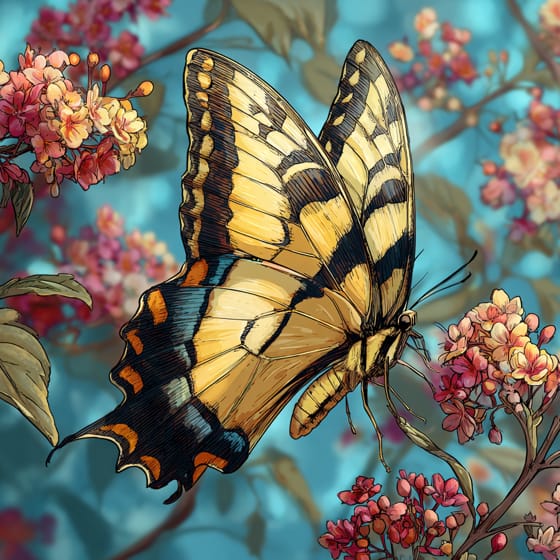
Papilio glaucus
sips nectar from the sweet-smelling blooms.

Odocoileus virginianus
may browse its tender leaves and shoots.
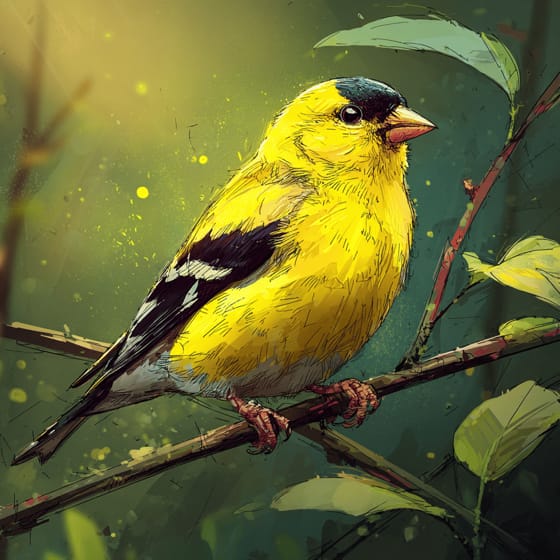
Carduelis tristis
hides among its dense branches for shelter.

Bombus impatiens
a frequent visitor, gathering nectar and pollen.
Deciduous plants periodically shed all their leaves, typically during autumn or dry seasons.
A shrub is a woody plant smaller than a tree, typically with multiple stems branching from or near the ground.
Spring blooming plants produce their flowers during the spring season, often signifying the end of winter and the start of new growth.
Fragrant flowers emit a pleasant aroma, often to attract pollinators or for defense.

Colorful describes organisms or objects displaying a wide range of bright and distinct colors.

Fall color refers to the seasonal change in foliage pigmentation, primarily in deciduous plants, displaying vibrant hues.

Describes plants that are particularly attractive and beneficial to a wide range of pollinating organisms.

This habitat trait identifies species found in wetlands, which are areas of land saturated with water, either permanently or seasonally, including marshes, swamps, and bogs.
No aliases listed yet.
Danger
1/5 · Very low
Always look but don't touch plants unless a grown-up says it's okay.
The easiest way to identify Virginia sweetspire is to use the Snappit nature identifier app.
120-240 cm
120-240 cm
0.5-1 cm
Late spring to early summer (May-July)
No
None
Perennial
Zoom in to split clusters and explore where this object has been snapped.

Maryland, US
You might spot Crane-Fly Orchid, Fragile Forktail, and Ebony Jewelwing.
View guide →

Georgia, US
You might spot Baldcypress, Anole, and American Alligator.
View guide →

Arkansas, US
You might spot Water Tupelo, Banded Watersnake, and Prothonotary Warbler.
View guide →
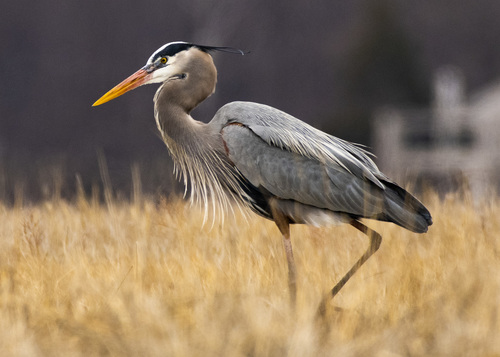
Alabama, US
You might spot Great Blue Heron, Brown Pelican, and White Pitcher Plant.
View guide →

Tennessee, US
You might spot Pond Slider, Blue Phlox, and Mayapple.
View guide →

Georgia, US
You might spot Joro Spider, Carolina Wren, and Blue-Fronted Dancer.
View guide →
Take the discovery with you
Snap it with Snappit to identify it, learn what makes it special, and add the discovery to your collection.








.jpg&width=800)


_001.jpg&width=800)




