





alkali heliotrope
Heliotropium curassavicum
Alkali heliotrope is a small, colorful plant that loves sunny places! It has pretty purple flowers and can grow in salty soils, making it special in nature.
Habitat: Coastal areas
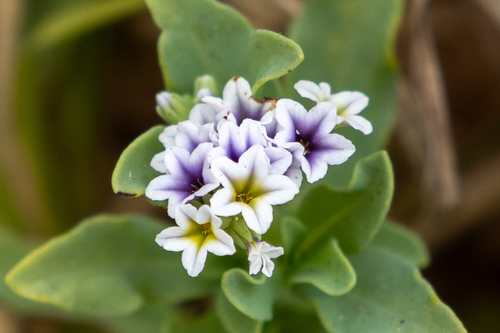
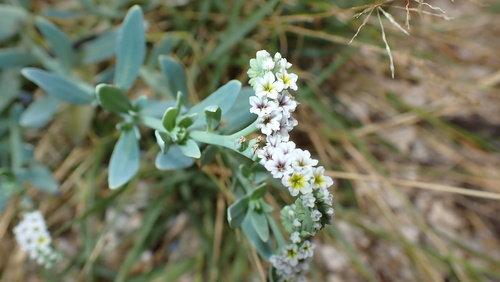
The alkali heliotrope has fleshy, pale green to grey-green leaves and delicate white or bluish-white flowers arranged in unique coiled spikes. Its low-growing, spreading form and succulent-like foliage help it stand out in salty environments.
Category
PlantsRarity
Common
Danger
1/5 · Very low
Snaps
15
Each tiny seed from this plant can float on water, helping it spread to new distant coastal homes!
Even though it grows in tough spots, its roots help stabilize sandy soils and prevent erosion!
Its scientific name, Heliotropium, means "turning to the sun," because its flowers often track the sun!
The coiled flower stalks unfurl like a spiral galaxy as new blooms open, a beautiful natural marvel!
Its fleshy, succulent-like leaves store water, allowing alkali heliotrope to thrive in dry conditions and hot, arid climates.
This plant produces flowers continuously over long periods, increasing its chances of attracting pollinators and successful reproduction.
Apis mellifera
Its small flowers provide nectar for these important insect visitors.
Trichoplusia ni
Its leaves are sometimes consumed by the larvae of this common moth.
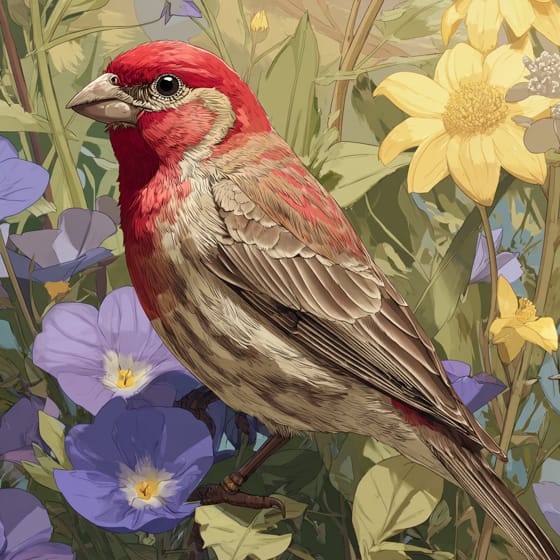
Haemorhous mexicanus
Small birds sometimes feed on the tiny seeds produced by this plant.
Flowering plants are any plants that produce flowers as part of their reproductive cycle.
A shrub is a woody plant smaller than a tree, typically with multiple stems branching from or near the ground.
Summer blooming plants produce their flowers during the summer season, often providing vibrant color when many other plants have finished.
Salt tolerant plants can withstand and grow in conditions with elevated salinity levels in the soil or water.

Colorful describes organisms or objects displaying a wide range of bright and distinct colors.

Describes plants that are particularly attractive and beneficial to a wide range of pollinating organisms.

Coastal habitats are dynamic environments located along the interface between land and sea, influenced by tides, waves, and saltwater.
No aliases listed yet.
Danger
1/5 · Very low
Always look but don't touch plants without asking an adult first.
The easiest way to identify alkali heliotrope is to use the Snappit nature identifier app.
10-50 cm
30-100 cm
0.2-0.5 cm
Year-round
No
Mild
Perennial
Zoom in to split clusters and explore where this object has been snapped.
Jun 6, 2026
Venice Canal Historic DistrictPhoto attribution
(c) Roberto Daniel Avila, some rights reserved (CC BY)
License: CC BY 4.0 ↗
Image may be shown cropped inside the card frame.
May 26, 2026
Hickam Air Force BasePhoto attribution
(c) Robin White, some rights reserved (CC BY)
License: CC BY 4.0 ↗
Image may be shown cropped inside the card frame.

California, US
You might spot Sunburst Anemone, Ochre Sea Star, and Striped Shore Crab.
View guide →

California, US
You might spot Western Fence Lizard, Duck, and Black Phoebe.
View guide →

Texas, US
You might spot Bottlenose Dolphin and Sea Turtle.
View guide →
US
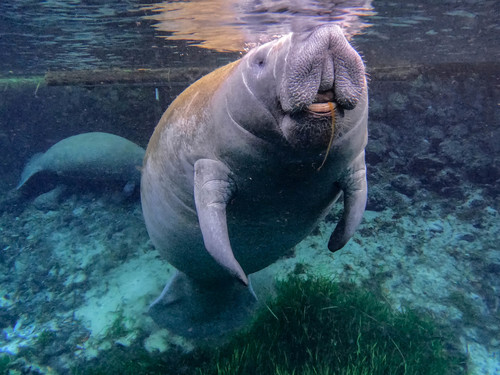
You might spot West Indian Manatee, Scarlet Skimmer, and Queen.
View guide →

California, US
You might spot Common Raven and Red-Tailed Hawk.
View guide →

Hawaii, US
You might spot Spotted Dove, Zebra Dove, and Java Sparrow.
View guide →
Take the discovery with you
Snap it with Snappit to identify it, learn what makes it special, and add the discovery to your collection.








.jpg&width=800)



_001.jpg&width=800)




