





Visayan spotted deer
Rusa alfredi
The Visayan spotted deer is a beautiful animal with spots on its fur. They live in forests and are very shy, often hiding from people. These deer are special because they are found only in the Philippines!
Habitat: Forests
The Visayan spotted deer is a medium-sized deer known for its striking reddish-brown coat adorned with creamy-white spots arranged in distinct lines. Males grow short, rugged antlers. Its unique spotted pattern makes it look different from other plain-coated deer.
Category
MammalsRarity
Rare
Danger
1/5 · Very low
Snaps
Be the first to snap!
A baby Visayan spotted deer can stand and walk within hours of being born!
Male deer grow small antlers each year and then shed them off!
These deer are among the rarest and most endangered deer on Earth!
They are sometimes called 'Prince Alfred's deer' after a royal visitor!
Visayan spotted deer has a coat with creamy-white spots that helps them disappear into the dappled light of the forest, hiding from danger.
Visayan spotted deer can leap over fallen logs and dense undergrowth with ease, helping them move quickly through their tricky habitat.
Visayan spotted deer can search for plants and fruits during the evening, which helps them avoid daytime predators and heat.
These deer are herbivores, munching on a variety of plants, fruits, and grasses found in their forest home.
Age differences: Young fawns drink their mother's milk, slowly transitioning to a plant-based diet as they grow older.
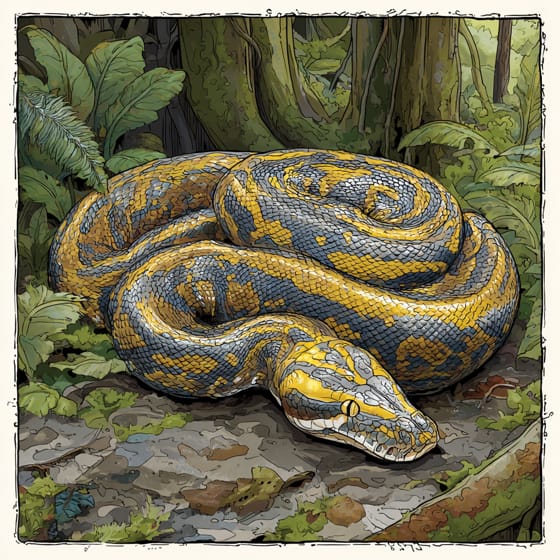
Malayopython reticulatus
Large pythons are known predators of deer, especially fawns.

Homo sapiens
Poaching and habitat loss by humans are major threats.
Canis familiaris
Feral dogs sometimes hunt deer, impacting wild populations.
Furry describes animals possessing a dense covering of soft hair or fur.
Marked with spots or patches of a different color.
Solitary animals live alone for most of their lives, only interacting with others for mating or parental care.
This trait characterizes organisms whose diet consists entirely or primarily of plant material.

Forest habitats are terrestrial environments dominated by dense tree cover, supporting a high diversity of plant and animal life.

Endangered status indicates a species is at a very high risk of extinction in the wild in the near future.
No aliases listed yet.
Danger
1/5 · Very low
Always watch wildlife from a distance and do not try to touch or feed them.
The easiest way to identify Visayan spotted deer is to use the Snappit nature identifier app.
125-130 cm
40-60 kg
10-15 years
45 km/h
These deer are herbivores, munching on a variety of plants, fruits, and grasses found in their forest home.
Forests
Foraging
Zoom in to split clusters and explore where this object has been snapped.
Recent snaps will appear here as new observations are added.
Take the discovery with you
Snap it with Snappit to identify it, learn what makes it special, and add the discovery to your collection.




.jpg&width=800)



.JPG&width=800)


.jpg&width=800)
