





Visayan warty pig
Sus cebifrons
The Visayan warty pig is a special pig with unique bumps on its face! They are shy and love to roam in the forests of the Philippines, where they find tasty roots and fruits to eat.
Habitat: Forests
The Visayan warty pig has shaggy, bristly dark brown to black hair, often with a lighter belly. Males grow a distinctive mane down their back during breeding season and have three pairs of prominent warts on their faces.
Category
MammalsRarity
Rare
Danger
2/5 · Low
Snaps
Be the first to snap!
Baby Visayan warty pigs are born with stripes, which help them blend into the forest!
Male Visayan warty pigs grow an impressive crest of bristly hair during mating season!
These pigs love to cool off and protect their skin by rolling around in thick, gooey mud!
They build cozy nests from leaves and grass to sleep and raise their piglets safely.
Visayan warty pigs have facial warts that protect their faces during fights with other pigs.
Visayan warty pigs can sniff out hidden food like roots and insects deep underground with their strong noses.
Visayan warty pigs have powerful snouts and neck muscles that help them dig for tasty tubers.
These adaptable pigs are omnivores, munching on roots, fruits, leaves, and even tiny critters.

Homo sapiens
hunted for food
Pithecophaga jefferyi
preys on young piglets
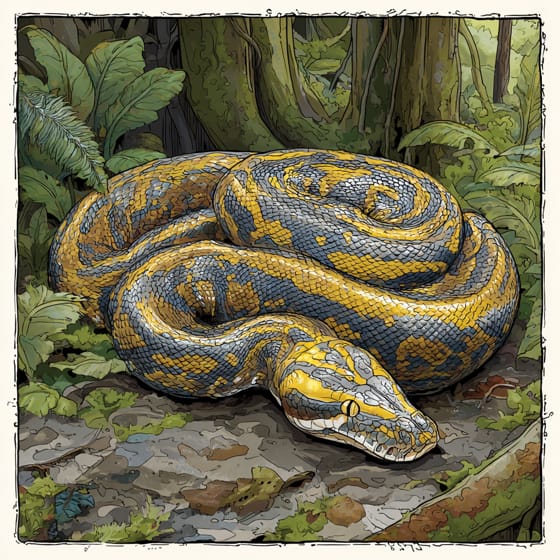
Python reticulatus
preys on young pigs
Dioscorea alata
roots for its tubers
Castanopsis philippinensis
consumes fallen nuts
Furry describes animals possessing a dense covering of soft hair or fur.
Solitary animals live alone for most of their lives, only interacting with others for mating or parental care.
This trait identifies organisms whose diet includes both plant and animal matter.
This trait characterizes organisms whose diet consists entirely or primarily of plant material.

Characterized by having long, pointed, projecting teeth, usually in pairs.

Forest habitats are terrestrial environments dominated by dense tree cover, supporting a high diversity of plant and animal life.

Endangered status indicates a species is at a very high risk of extinction in the wild in the near future.
No aliases listed yet.
Danger
2/5 · Low
Always watch from a distance and never try to touch wild animals.
The easiest way to identify Visayan warty pig is to use the Snappit nature identifier app.
90-120 cm
20-80 kg
10-15 years
30 km/h
These adaptable pigs are omnivores, munching on roots, fruits, leaves, and even tiny critters.
Forests
Foraging
Zoom in to split clusters and explore where this object has been snapped.
Recent snaps will appear here as new observations are added.

Northern Ireland, UK
You might spot Giraffes, Spectacled Bear, and Goodfellow's Tree-Kangaroo.
View guide →
.jpg)
Ústí nad Labem Region, CZ
You might spot Bears, South American Tapir, and Macaques.
View guide →

England, UK
You might spot Carpathian Lynx, Deer, and Visayan Warty Pig.
View guide →
Take the discovery with you
Snap it with Snappit to identify it, learn what makes it special, and add the discovery to your collection.




.jpg&width=800)



.JPG&width=800)


.jpg&width=800)
