


Northern Cardinal

Randolph Center offers a charming journey back to early American history.
Randolph Center offers a charming journey back to early American history.
This historic district in Vermont is a remarkably preserved "time capsule" showcasing what an early American town center looked like, featuring a distinguished array of late 18th and early 19th-century architecture. Stretching along Main Street (part of Vermont Route 66), the district is predominantly residential, characterized by beautiful wood and brick homes built in Federal and Greek Revival styles, alongside significant public buildings. It was added to the National Register of Historic Places in 1974, recognizing its historical significance and architectural integrity.
Visitors can explore a variety of well-preserved structures, including the iconic Congregational Church, which dates back to 1798 and exhibits a unique blend of Greek Revival and Gothic Revival styles from a later update. Other notable landmarks include the former Methodist Church building from 1881, the 1903 community school building, and a historic wood-frame dormitory at the front of the Vermont State University campus. The entire street maintains its original appearance, offering a cohesive vision of an early settlement that once served as a vital stagecoach stop.
The Randolph Center Historic District is an ideal destination for those seeking to immerse themselves in authentic New England heritage and architectural beauty. Its quiet, preserved streetscape and collection of historic buildings provide a peaceful and educational experience, making it a memorable stop for history enthusiasts and casual visitors alike. The presence of Vermont State University also adds a dynamic academic backdrop to this historically rich setting. Take the ultimate field guide with you: use the Snappit app to identify birds, plants, and animals on your trip.
The town of Randolph was founded in 1783, and its civic center was established on a north-south ridge, which is now Main Street. This location quickly became a crucial stop on the stagecoach route connecting Boston, Massachusetts, and Montreal, Canada, contributing significantly to its early prosperity and growth. The village flourished with various industries and businesses during this period. However, the mid-19th century brought a significant shift. The construction of the Central Vermont Railroad further west led to economic activity migrating to a new area, which developed into what is now known as Randolph Village. This shift inadvertently preserved Randolph Center, allowing its original settlement character and architectural heritage to remain largely intact as a quiet residential and academic hub. The district's importance was formally recognized when it was listed on the National Register of Historic Places in 1974.
Take a self-guided walking tour along Main Street, admire the well-preserved 18th and 19th-century architecture, photograph the historic buildings, and imagine the bustling stagecoach days. You can also visit the campus of Vermont State University, which has roots in the Randolph Academy established in 1804.
Spring/Summer: Ideal for walking tours, lush greenery enhances the scenery.
Fall: Spectacular fall foliage provides a vibrant backdrop to the historic buildings.
Winter: Snow-covered landscapes can be beautiful, but walking conditions might be challenging, and some details might be obscured.
The district is easily explored on foot, as the buildings are arranged along Main Street. Specific wheelchair accessibility for individual buildings is not broadly noted, as many are historic residential structures or older public buildings.
The Congregational Church (1798) with its Greek Revival and Gothic Revival features and historic Paul Revere bell, the variety of Federal and Greek Revival style houses along Main Street, the former Methodist Church building (1881), the community school building (1903), and the historic wood-frame dormitory on the Vermont State University campus. Don't miss "The Common" for its historical significance as a public space.
Each card links to a full Explore page with photos, traits, and fun facts.
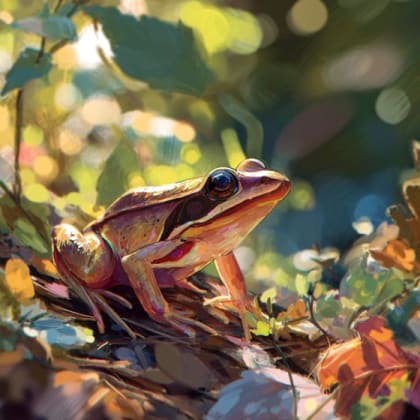















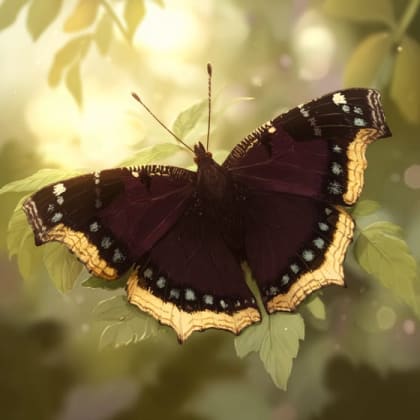











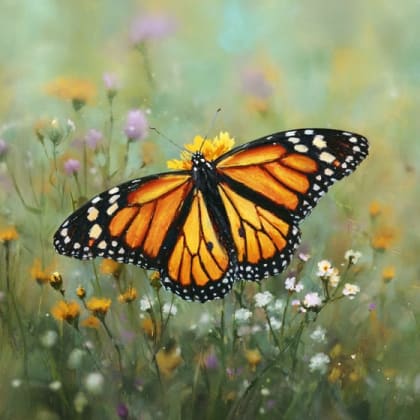

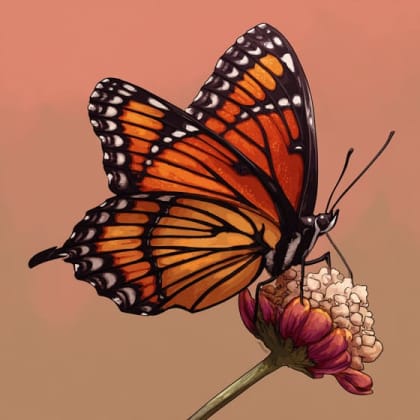








Start with the big picture, then zoom in to explore individual wildlife observations around this place.
Wear comfortable shoes
The best way to experience the district is by walking its main thoroughfare.
Bring a camera
The historic architecture and scenic Vermont landscape offer excellent photographic opportunities.
Combine with local attractions
Consider visiting nearby Randolph Village for more contemporary amenities or exploring other historical sites in the wider Randolph area.
Check for local events
Occasionally, the community or Vermont State University might host events that provide additional context or activities within the district.
Respect private property
While many buildings are visible from the street, remember that most are private residences.
Jun 20, 2026
Jun 18, 2026
Jun 18, 2026
Jun 18, 2026
Jun 18, 2026

Maryland, US
You might spot White-Tailed Deer and Eastern Gray Squirrel.
View guide →
.jpg)
District of Columbia, US
You might spot Eastern Gray Squirrel, Duck, and House Sparrow.
View guide →

Illinois, US
You might spot American Robin, Canada Goose, and House Sparrow.
View guide →

Virginia, US
You might spot Spotted Lanternfly and Northern Cardinal.
View guide →
Take the discovery with you
Identify the wildlife you spot, learn as you go, and keep a collection of the adventure.