_Geum_rivale_-_flower_and_bottoms.jpg&width=800)




Water Avens
Geum rivale
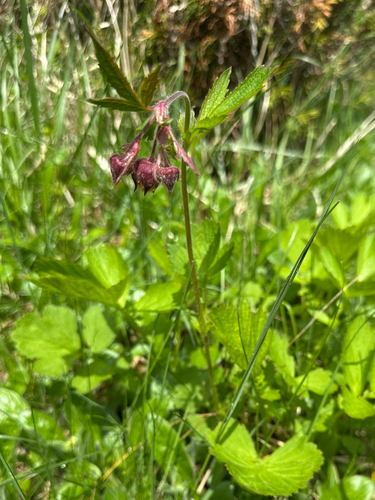
Water Avens are pretty flowers that grow near water. They have lovely, droopy petals that can be pink or yellow. These flowers like to dance in the breeze and are a special sight in nature!
Habitat: Wetlands
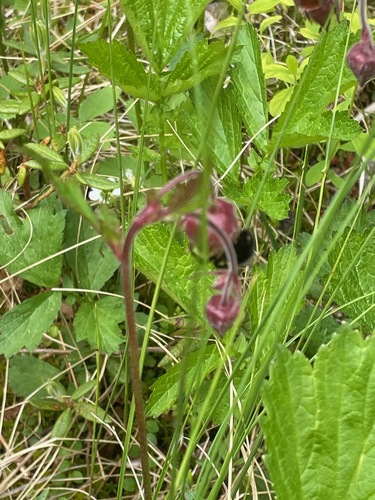
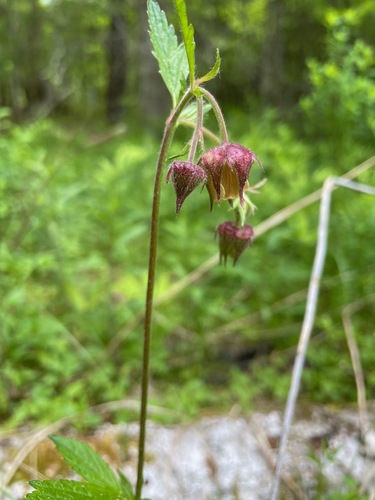
The Water Avens has unique nodding, bell-shaped flowers with pinkish-orange sepals and pale yellow petals, giving them a distinct two-toned look. Its fuzzy stems and leaves often form a basal rosette, sometimes with reddish tints.
Category
PlantsRarity
Common
Danger
1/5 · Very low
Snaps
4
Its root smells like cloves, a wonderful spicy secret!
Medieval tales said it could protect you from bad luck!
Old-time remedies used its roots for stomach aches!
The fluffy seed heads look like tiny exploding fireworks!
Water Avens has pointed leaf tips that help shed excess water, allowing it to thrive in its wet habitats.
Its seeds are equipped with tiny hooks that latch onto fur or clothes, spreading them far and wide.
Water Avens can withstand colder, damp conditions, enabling it to bloom earlier than many other plants.
Bombus terrestris
collects nectar and pollen
Apis mellifera
gathers pollen and nectar
Arion lusitanicus
feeds on its tender leaves
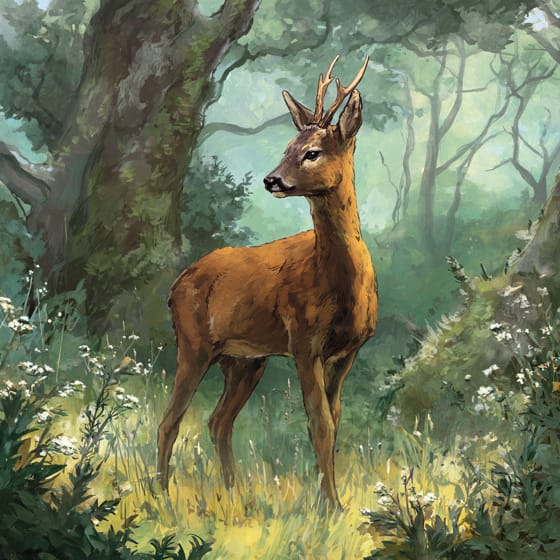
Capreolus capreolus
browses on its foliage
Bell-shaped flowers possess petals fused or arranged to form a cup-like or campanulate structure resembling a bell.
Flowering plants are any plants that produce flowers as part of their reproductive cycle.
Fragrant flowers emit a pleasant aroma, often to attract pollinators or for defense.
Medicinal plants possess chemical compounds that can be used for therapeutic purposes to treat illnesses or maintain health.

Edible plants are those parts of a plant that are considered safe for human consumption.

Describes plants that are particularly attractive and beneficial to a wide range of pollinating organisms.

This habitat trait identifies species found in wetlands, which are areas of land saturated with water, either permanently or seasonally, including marshes, swamps, and bogs.
No aliases listed yet.
Danger
1/5 · Very low
Always look but don't touch flowers without asking an adult first.
The easiest way to identify Water Avens is to use the Snappit nature identifier app.
20-60 cm
15-30 cm
1-2 cm
Late spring to early summer
Yes
None
Perennial
Zoom in to split clusters and explore where this object has been snapped.
May 29, 2026
Barre Downtown Historic DistrictPhoto attribution
(c) Tom Scavo, some rights reserved (CC BY)
License: CC BY 4.0 ↗
Image may be shown cropped inside the card frame.
May 29, 2026
Barre Downtown Historic DistrictPhoto attribution
(c) Tom Scavo, some rights reserved (CC BY)
License: CC BY 4.0 ↗
Image may be shown cropped inside the card frame.
May 13, 2026
East Arlington Village Historic DistrictPhoto attribution
(c) Alex Goodfriend, some rights reserved (CC BY)
License: CC BY 4.0 ↗
Image may be shown cropped inside the card frame.

Vermont, US
You might spot Eastern White Pine, Staghorn Sumac, and Box Elder.
View guide →

Vermont, US
You might spot Eastern White Pine, Staghorn Sumac, and Box Elder.
View guide →

Vermont, US
You might spot Asian Lady Beetle, Hickory Tussock Moth, and Green Frog.
View guide →

Vermont, US
You might spot Common Eastern Bumble Bee and Red Trillium.
View guide →
Take the discovery with you
Snap it with Snappit to identify it, learn what makes it special, and add the discovery to your collection.








.jpg&width=800)


_001.jpg&width=800)



