





water oak
Quercus nigra
The water oak is a tall tree that loves to grow near water. Its leaves are shaped like fingers, and in the fall, they turn beautiful colors before falling off.
Habitat: Wetlands
The water oak has distinctive spatula-shaped or diamond-like green leaves that often shimmer in the sunlight. Its bark starts smooth and dark, gradually developing furrows with age. Unlike many oaks, it often holds onto some leaves through winter, giving it a semi-evergreen appearance.
Category
PlantsRarity
Common
Danger
1/5 · Very low
Snaps
11
Its super speedy growth makes it a favorite for city planting!
Many animals, like squirrels, love to munch on its tiny acorns!
This amazing tree can live for over 100 years, watching generations pass by!
Water oak wood is very strong and was once used to build sturdy ships!
The water oak can thrive in wet soils because it tolerates low oxygen, allowing it to grow where other trees cannot.
It often retains some green leaves through winter, giving it a head start on photosynthesis when spring arrives.
Water oaks grow quickly, helping them reach sunlight and establish themselves faster than many other forest trees.
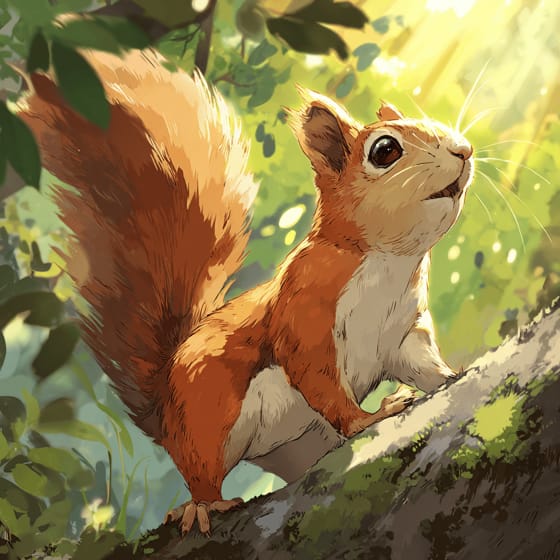
Sciurus carolinensis
Feasts on the nutritious acorns

Odocoileus virginianus
Browses on its leaves and twigs

Melanerpes carolinus
Nests in tree cavities and forages
Dryocosmus quercuspalustris
Lays eggs causing round galls on leaves
Deciduous plants periodically shed all their leaves, typically during autumn or dry seasons.
Shade tolerant plants are adapted to grow and thrive in areas with low light levels, requiring less direct sunlight.
Broadleaf trees are angiosperms characterized by flat, wide leaves that are typically shed annually in temperate climates.
Fall color refers to the seasonal change in foliage pigmentation, primarily in deciduous plants, displaying vibrant hues.

Rapid growing plants exhibit accelerated growth rates, quickly increasing in size and biomass within a short period.

Timber refers to wood that has been prepared for use in building and carpentry.

This habitat trait identifies species found in wetlands, which are areas of land saturated with water, either permanently or seasonally, including marshes, swamps, and bogs.

Describes a species whose presence and role have a disproportionately large effect on its environment.
No aliases listed yet.
Danger
1/5 · Very low
Stay away from the base of the tree and watch for falling branches.
The easiest way to identify water oak is to use the Snappit nature identifier app.
1000-2500 cm
900-1500 cm
1-5 cm
Spring
No
Mild
Perennial
Zoom in to split clusters and explore where this object has been snapped.

Georgia, US
You might spot Eastern Gray Squirrel, Domestic Cat, and American Robin.
View guide →
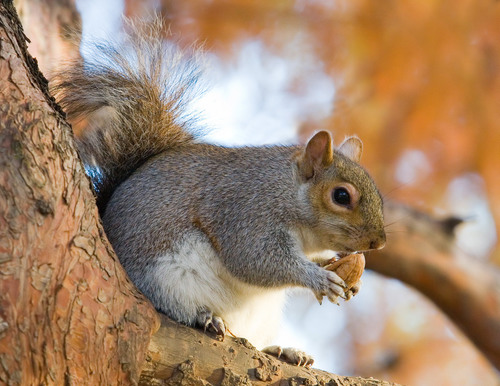
Georgia, US
You might spot Eastern Gray Squirrel, Domestic Cat, and American Robin.
View guide →

Louisiana, US
You might spot Rough Horsetail, Northern Mockingbird, and Anole.
View guide →

Alabama, US
You might spot Chinese Tallow and Marbled Salamander.
View guide →

Georgia, US
You might spot Brown Anole, Northern Mockingbird, and Northern Cardinal.
View guide →

Georgia, US
You might spot Silk Tree, Joro Spider, and Kingsnake.
View guide →
Take the discovery with you
Snap it with Snappit to identify it, learn what makes it special, and add the discovery to your collection.








.jpg&width=800)


_001.jpg&width=800)



