





Water Starworts
callitriche
Water Starworts are lovely little plants that grow in water! They have small, star-shaped leaves that make them look like they belong in a magical pond.
Habitat: Ponds, lakes, and slow-moving streams.
The Water Starworts has bright green, slender stems with small, opposite leaves that vary in shape. Submerged leaves are linear, while surface leaves often form floating rosettes, appearing like tiny green stars on the water.
Category
PlantsRarity
Common
Danger
0/5 · No known danger
Snaps
Be the first to snap!
Its seeds can stay alive for many years hidden in the mud!
Some Water Starworts have no roots and just float freely!
The flowers are so tiny, they don't even have petals!
Water Starworts are like natural water filters, keeping ponds clean!
Water Starworts can grow two different kinds of leaves – narrow ones underwater and broader ones that float – helping it adapt to varying water depths.
Water Starworts creates oxygen as it grows underwater, which helps fish and other creatures in the water breathe.
Water Starworts can grow new plants from tiny broken-off pieces of its stem, allowing it to spread easily in its watery home.
Water Starworts can survive harsh winters by forming special buds that sink to the bottom until spring, then grow again.
Anas platyrhynchos
Feeds on leaves and seeds.
Lymnaea stagnalis
Grazes on the plant's leaves.
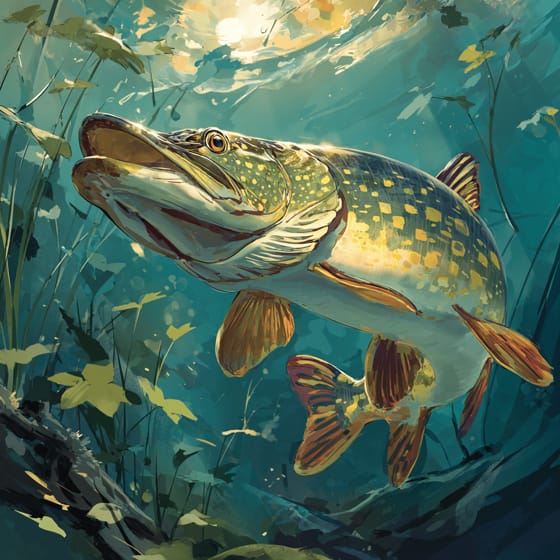
Esox lucius
Young fish hide among the submerged stems.
Limnephilus rhombicus
Builds shelters from plant fragments.
Gasterosteus aculeatus
Uses plants for nesting sites.
Colorful describes organisms or objects displaying a wide range of bright and distinct colors.
This trait characterizes organisms whose diet consists entirely or primarily of plant material.
Coastal habitats are dynamic environments located along the interface between land and sea, influenced by tides, waves, and saltwater.
Diurnal animals are primarily active during daylight hours, typically resting or sleeping at night.

Aquatic habitats encompass environments where organisms live predominantly in water, including oceans, rivers, lakes, and wetlands.
Danger
0/5 · No known danger
No special safety notes yet.
The easiest way to identify Water Starworts is to use the Snappit nature identifier app.
5-50 cm
10-100 cm
0.1-0.2 cm
Summer
No
None
Perennial
Zoom in to split clusters and explore where this object has been snapped.
Recent snaps will appear here as new observations are added.
Take the discovery with you
Snap it with Snappit to identify it, learn what makes it special, and add the discovery to your collection.









.jpg&width=800)



_001.jpg&width=800)




