





Watersnakes
Nerodia
Watersnakes are smooth, slippery reptiles that love to swim in lakes and rivers. They can be found basking on rocks or swimming gracefully in the water. They are not dangerous and help keep the ecosystem balanced.
Habitat: Wetlands
The Watersnakes are typically stout-bodied with keeled scales, giving them a rough texture. Their coloration varies from brown, gray, or olive, often with darker blotches, bands, or spots that help them camouflage. They have a distinct triangular head shape.
Category
ReptilesRarity
Common
Danger
2/5 · Low
Snaps
Be the first to snap!
Many watersnakes wiggle their tail to lure curious fish closer to them!
Some watersnake mothers can have over 50 live babies at one time!
They are often mistaken for venomous cottonmouths but are harmless!
Watersnakes can swallow prey much bigger than their own head whole!
Watersnakes can release a foul-smelling musk when threatened that helps them deter predators.
Watersnakes can flatten their body from side to side that helps them appear larger and more intimidating.
Watersnakes has live young (viviparous) that helps ensure their offspring have a better start in life.
Watersnakes are skilled hunters, primarily feasting on various aquatic animals.
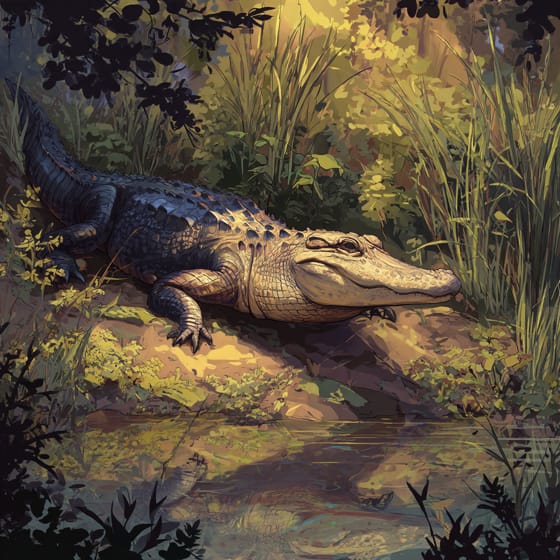
Alligator mississippiensis
Larger alligators prey on watersnakes.
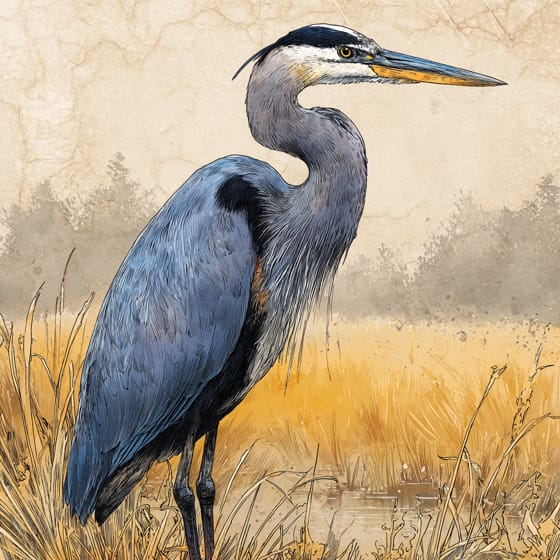
Ardea herodias
Birds hunt snakes in aquatic habitats.
Pimephales promelas
Watersnakes prey on various small fish.
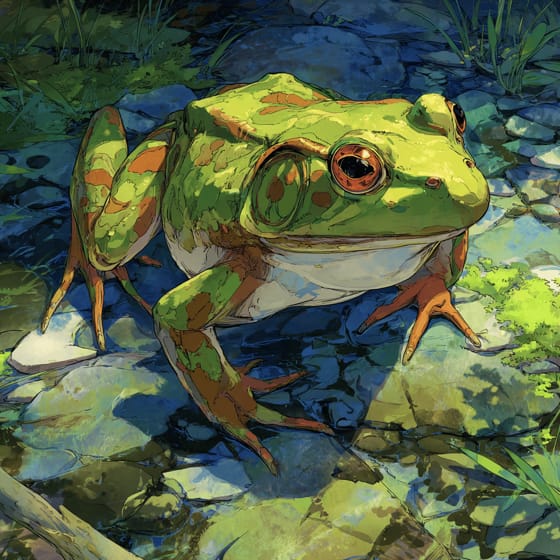
Lithobates catesbeianus
Eats frogs and their tadpoles.
Solitary animals live alone for most of their lives, only interacting with others for mating or parental care.
Camouflaged describes organisms that possess coloring or patterns that allow them to blend into their environment.
Piscivorous organisms are animals that primarily subsist on a diet of fish.
This habitat trait identifies species found in wetlands, which are areas of land saturated with water, either permanently or seasonally, including marshes, swamps, and bogs.

This trait identifies organisms whose diet consists entirely or primarily of animal tissue.

Diurnal animals are primarily active during daylight hours, typically resting or sleeping at night.

Describes a species whose presence and role have a disproportionately large effect on its environment.

This trait identifies organisms that exhibit exceptional swiftness in movement for hunting, escape, or travel.

Aquatic habitats encompass environments where organisms live predominantly in water, including oceans, rivers, lakes, and wetlands.
No aliases listed yet.
Danger
2/5 · Low
If you see a watersnake, it's best to watch from a distance. They are not harmful but can be scared easily.
The easiest way to identify Watersnakes is to use the Snappit nature identifier app.
60-150 cm
0.2-1.5 kg
5-10 years
5 km/h
Watersnakes are skilled hunters, primarily feasting on various aquatic animals.
8 km/h
Wetlands
Zoom in to split clusters and explore where this object has been snapped.
Recent snaps will appear here as new observations are added.
Take the discovery with you
Snap it with Snappit to identify it, learn what makes it special, and add the discovery to your collection.













