





Youth-on-Age
Tolmiea menziesii
Youth-on-Age is a special plant that grows in shady places. Its leaves are soft and fuzzy, and it can make baby plants right from its leaves!
Habitat: Forests
The Youth-on-Age has bright green, heart-shaped, slightly hairy leaves, often with smaller plantlets emerging directly from the base of the leaf blade. Its small, greenish-brown flowers grow on slender stalks above the foliage, sometimes hidden by the leaves.
Category
PlantsRarity
Common
Danger
1/5 · Very low
Snaps
2
Despite its delicate look, this plant is quite tough and easy for beginners to grow!
Its scientific name honors two amazing botanists, William Tolmie and Archibald Menzies!
The Youth-on-Age stays green all year long, even when it gets chilly!
Tiny new 'baby' plants grow right on top of the older leaves!
Youth-on-Age can grow entirely new plants directly from its leaves, which then drop off to root themselves and create clones.
Youth-on-Age has broad leaves that help it capture even tiny bits of sunlight in dark forest floors, making it a master of shady spots.
Youth-on-Age can rapidly form dense mats of ground cover using its unique leaf-based propagation, helping it colonize new areas quickly.
Bombus melanopygus
Its tiny flowers provide nectar for these buzzing insects.

Ariolimax columbianus
Slugs enjoy munching on its soft, green leaves.
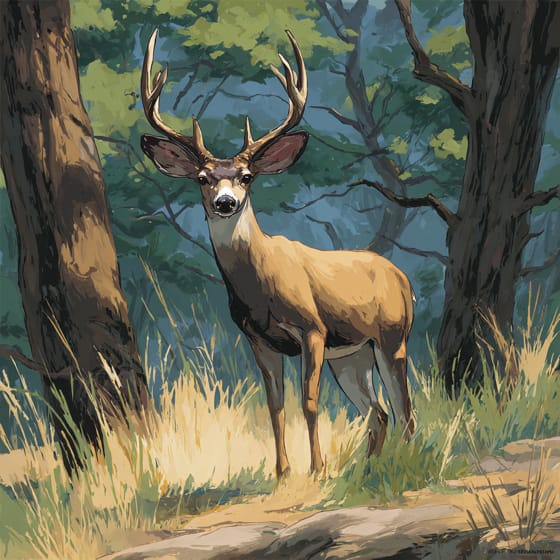
Odocoileus hemionus
Deer might nibble on its foliage during scarce times.
Formica rufa
Its dense growth can provide cover for small insects.
Furry describes animals possessing a dense covering of soft hair or fur.
Deciduous plants periodically shed all their leaves, typically during autumn or dry seasons.
Ornamental plants are cultivated primarily for their aesthetic appeal, enhancing landscapes and gardens with their attractive foliage, flowers, or form.
Shade tolerant plants are adapted to grow and thrive in areas with low light levels, requiring less direct sunlight.

Medicinal plants possess chemical compounds that can be used for therapeutic purposes to treat illnesses or maintain health.

Rapid growing plants exhibit accelerated growth rates, quickly increasing in size and biomass within a short period.

Forest habitats are terrestrial environments dominated by dense tree cover, supporting a high diversity of plant and animal life.

Regenerative organisms possess the ability to regrow lost or damaged body parts, tissues, or organs.
Danger
1/5 · Very low
Always look but don't touch plants unless you know they are safe.
The easiest way to identify Youth-on-Age is to use the Snappit nature identifier app.
30-60 cm
30-60 cm
0.5-1 cm
Late spring to early summer
No
None
Perennial
Zoom in to split clusters and explore where this object has been snapped.
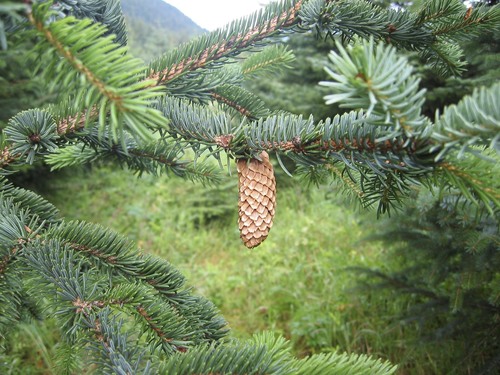
Washington, US
You might spot Sitka Spruce, Salmonberry, and Pacific Banana Slug.
View guide →

Washington, US
You might spot Salal, Bog Labrador Tea, and Salmonberry.
View guide →
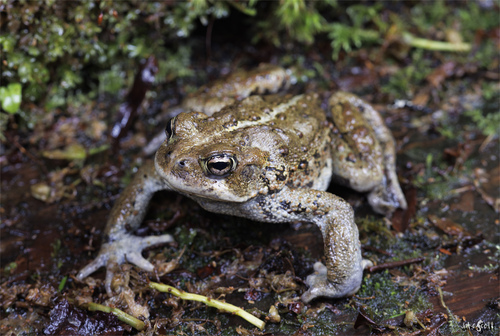
British Columbia, CA
You might spot Western Toad, Himalayan Balsam, and Western Sword Fern.
View guide →
Take the discovery with you
Snap it with Snappit to identify it, learn what makes it special, and add the discovery to your collection.







.jpg&width=800)



_001.jpg&width=800)



