





Western Pocket Gophers
thomomyini
Western Pocket Gophers are small, furry animals that dig tunnels underground. They use their cheek pouches to carry food, making them very unique and fun to learn about!
Habitat: Western Pocket Gophers live in grasslands and areas with loose soil where they can dig easily.
The Western Pocket Gophers have stocky bodies with short limbs and a short, sparsely furred tail. They possess small eyes and ears, but their most distinguishing feature is the large, prominent incisors and external, fur-lined cheek pouches they use for carrying food.
Category
MammalsRarity
Common
Danger
0/5 · No known danger
Snaps
Be the first to snap!
Their front teeth are always growing and are super strong, used like shovels!
These amazing diggers can move over 200 pounds of dirt in a single month!
They can actually seal their lips behind their teeth to avoid eating dirt while digging!
They plug tunnel entrances with soil to keep out predators and bad weather.
Western Pocket Gophers can create extensive tunnel systems because their strong claws and powerful front legs help them dig super fast through soil.
Western Pocket Gophers has amazing fur-lined cheek pouches that help them carry large amounts of food back to their underground pantries.
Western Pocket Gophers can quickly cut through roots and tough vegetation because of their powerful, ever-growing front teeth that even work when their mouth is closed.
They are vegetarians that mostly munch on roots, tubers, and other plants they find underground.
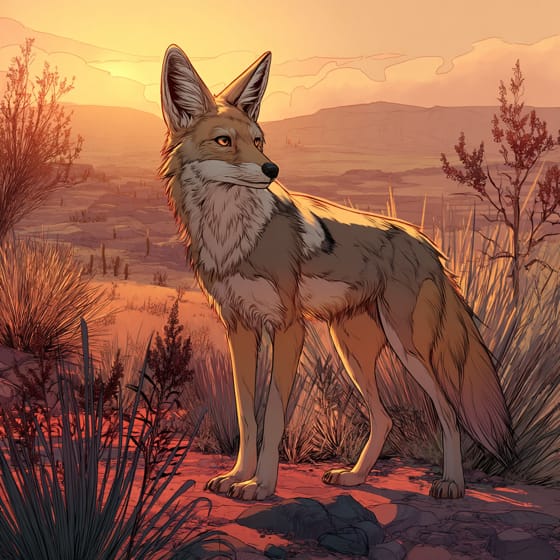
Canis latrans
Hunted by these clever canids looking for a meal.
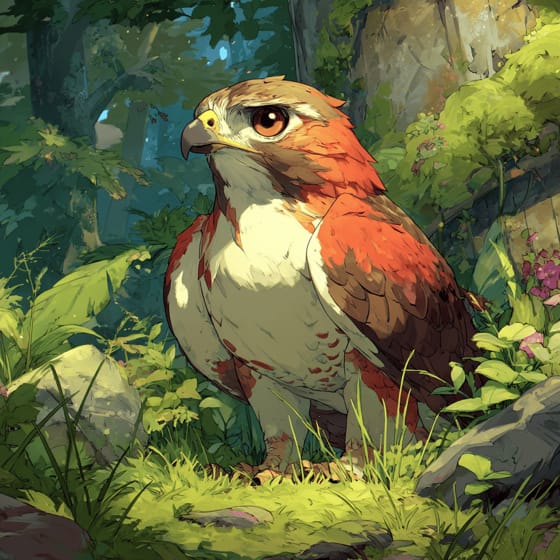
Buteo jamaicensis
Preyed upon by these soaring birds of prey.
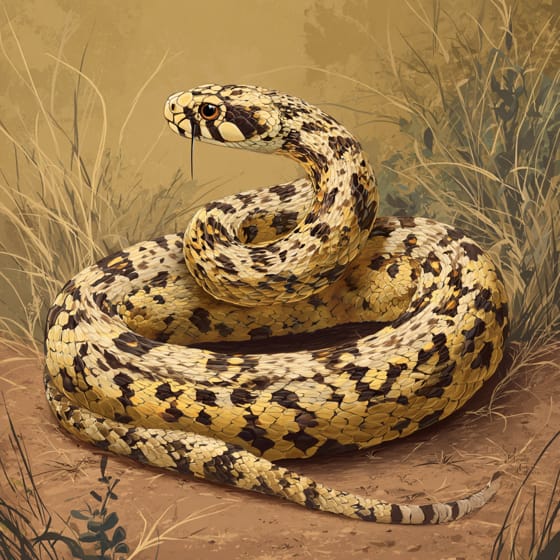
Pituophis catenifer
Sometimes caught by snakes that enter their tunnels.
Lolium perenne
Feeds on the roots of many common grasses.
Furry describes animals possessing a dense covering of soft hair or fur.
Solitary animals live alone for most of their lives, only interacting with others for mating or parental care.
Burrowing animals dig tunnels and chambers in the ground, using these subterranean structures for shelter, hunting, or breeding.
Grassland habitats are terrestrial biomes dominated by grasses and herbaceous plants, supporting a variety of grazing animals.

Nocturnal animals are primarily active during the nighttime hours, typically resting or sleeping during the day.
Danger
0/5 · No known danger
No special safety notes yet.
The easiest way to identify Western Pocket Gophers is to use the Snappit nature identifier app.
15-25 cm
0.08-0.25 kg
1-3 years
10 km/h
They are vegetarians that mostly munch on roots, tubers, and other plants they find underground.
Western Pocket Gophers live in grasslands and areas with loose soil where they can dig easily.
Foraging
Zoom in to split clusters and explore where this object has been snapped.
Recent snaps will appear here as new observations are added.
Take the discovery with you
Snap it with Snappit to identify it, learn what makes it special, and add the discovery to your collection.




.jpg&width=800)



.JPG&width=800)

.jpg&width=800)
