





White Checkered-Skipper
Burnsius albezens
The White Checkered-Skipper is a small butterfly with beautiful white wings that have black checkered patterns. They flutter around gardens and fields, bringing joy to everyone who sees them.
Habitat: Grasslands
The White Checkered-Skipper has striking white and dark checkered wings, with a stout, furry body that gives it a moth-like appearance. Its antennae feature distinct hooks at the tips, helping to identify this small, fast-flying insect.
Category
InsectsRarity
Common
Danger
1/5 · Very low
Snaps
2
Skipper caterpillars build cozy little 'leaf tents' to hide inside!
These speedy insects are a mix of butterfly and moth traits!
They use their long, straw-like tongues to sip sweet flower nectar!
White Checkered-Skippers often bask in the sun to warm up their flying muscles!
White Checkered-Skipper can zoom away with incredibly fast, erratic flight because of its powerful wing muscles that help them escape predators.
White Checkered-Skipper has a checkered wing pattern that helps them blend perfectly with sun-dappled flowers and foliage, making them hard to spot.
White Checkered-Skipper can taste flowers with special sensors on its feet because this helps them find the sweetest nectar to drink.
Caterpillars munch mallow leaves, while adults sip sweet nectar from various flowers.
Age differences: Larvae eat plant leaves, but adults drink flower nectar.

Malva neglecta
Larvae feed on its leaves
Sphaeralcea ambigua
Caterpillars chew on leaves
.jpg&width=800)
Symphyotrichum novae-angliae
Adults visit for nectar
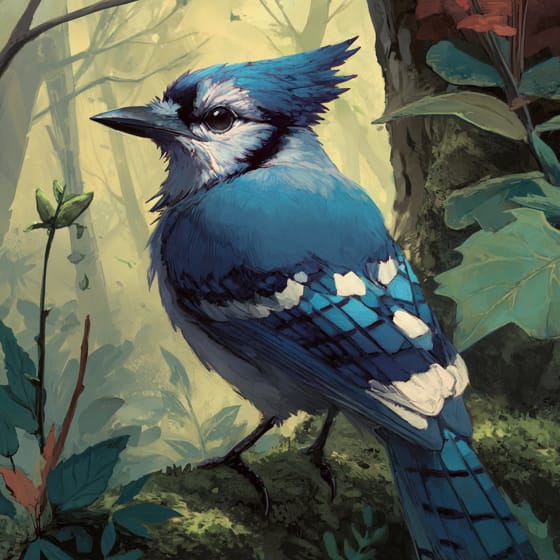
Cyanocitta cristata
A common avian predator
Solitary animals live alone for most of their lives, only interacting with others for mating or parental care.
Camouflaged describes organisms that possess coloring or patterns that allow them to blend into their environment.
Colorful describes organisms or objects displaying a wide range of bright and distinct colors.
Grassland habitats are terrestrial biomes dominated by grasses and herbaceous plants, supporting a variety of grazing animals.

This trait characterizes organisms whose diet consists entirely or primarily of plant material.

Describes plants that are particularly attractive and beneficial to a wide range of pollinating organisms.

Diurnal animals are primarily active during daylight hours, typically resting or sleeping at night.

Describes organisms that transfer pollen, enabling the fertilization and reproduction of plants.
No aliases listed yet.
Danger
1/5 · Very low
Always watch butterflies from a distance to keep them safe and happy.
The easiest way to identify White Checkered-Skipper is to use the Snappit nature identifier app.
25-35 mm
12-18 mm
10-20 days
20 km/h
Caterpillars munch mallow leaves, while adults sip sweet nectar from various flowers.
Grasslands
Foraging
Zoom in to split clusters and explore where this object has been snapped.

California, US
You might spot Western Fence Lizard, Duck, and Black Phoebe.
View guide →

South Carolina, US
You might spot American Alligator and Rare Skipper.
View guide →

Arizona, US
You might spot Desert Spiny Lizard, Queen, and Zebra-Tailed Lizard.
View guide →

Florida, US
You might spot Firewheel, Black Mangrove, and Yaupon Holly.
View guide →
Take the discovery with you
Snap it with Snappit to identify it, learn what makes it special, and add the discovery to your collection.






.jpg&width=800)



