_3759.JPG&width=800)





White Earwort
Diplophyllum albicans
White Earwort is a small, leafy plant that grows in damp, shady places. Its unique shape and soft leaves make it special and fun to discover in nature!
Habitat: Forests
The White Earwort is a tiny, mat-forming liverwort with flattened, greenish-brown stems and distinct pale or whitish tips on its overlapping, ear-like lobes. It often creates a carpet-like covering on damp surfaces, appearing like a miniature, intricate fern.
Category
PlantsRarity
Common
Danger
1/5 · Very low
Snaps
Be the first to snap!
Instead of seeds, White Earwort reproduces using tiny, dust-like spores.
It's an ancient plant relative, around for millions of years!
Look closely, and you might see tiny water droplets clinging to its leaves!
This plant helps create micro-habitats for even smaller creatures.
White Earwort can absorb water directly through its body, like a sponge, helping it thrive in very damp places.
White Earwort has special small cells called gemmae that can break off and grow into new plants, making tiny clones.
White Earwort can cling and grow on rough surfaces like rocks and tree bark, finding a home where other plants can't.

Hylocomium splendens
Often grows alongside, sharing damp micro-habitats.
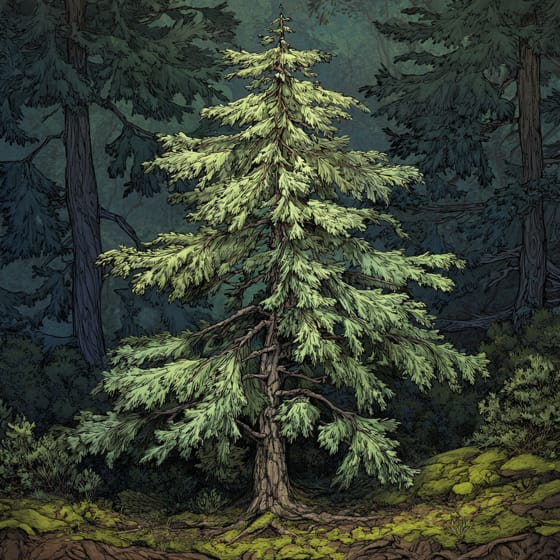
Tsuga heterophylla
Relies on its canopy for shade and humidity.

Helix aspersa
Snails and slugs sometimes graze on its tissues.
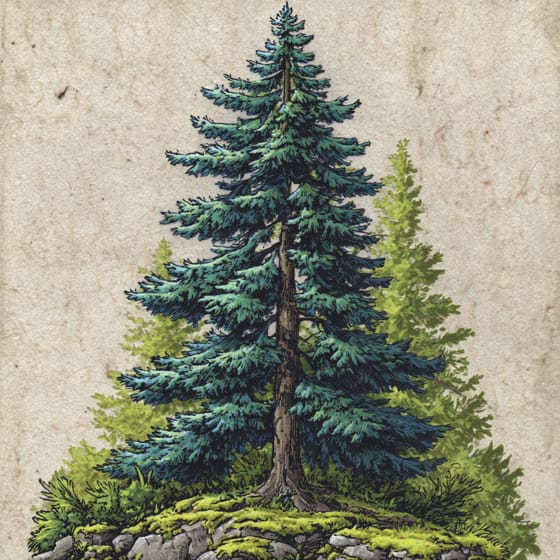
Picea sitchensis
Its shade helps maintain the moist conditions needed.
Flowering plants are any plants that produce flowers as part of their reproductive cycle.
Shade tolerant plants are adapted to grow and thrive in areas with low light levels, requiring less direct sunlight.
Medicinal plants possess chemical compounds that can be used for therapeutic purposes to treat illnesses or maintain health.
Describes plants that are particularly attractive and beneficial to a wide range of pollinating organisms.

Describes organisms that break down dead organic material, recycling nutrients back into the ecosystem.

Forest habitats are terrestrial environments dominated by dense tree cover, supporting a high diversity of plant and animal life.

Pertaining to species that are significantly smaller than typical or average for their kind.
No aliases listed yet.
Danger
1/5 · Very low
Always look but don't touch plants unless you know they are safe.
The easiest way to identify White Earwort is to use the Snappit nature identifier app.
0.5-3 cm
1-10 cm
No
None
Perennial
Forests
Zoom in to split clusters and explore where this object has been snapped.
Recent snaps will appear here as new observations are added.
Take the discovery with you
Snap it with Snappit to identify it, learn what makes it special, and add the discovery to your collection.







.jpg&width=800)



_001.jpg&width=800)



