.jpg&width=800)





White Globeflower
Trollius albiflorus
The White Globeflower is a beautiful flower with round, white petals that look like little globes! It blooms in spring and can brighten up meadows and gardens with its cheerful appearance.
Habitat: Meadows
The White Globeflower has distinctive creamy-white, spherical flowers that appear to be solid balls, nestled among deeply lobed green leaves. Its unique, enclosed bloom structure differentiates it from most other open-faced mountain wildflowers, creating a striking visual.
Category
PlantsRarity
Common
Danger
1/5 · Very low
Snaps
1
It's a cousin to the common buttercup, but looks quite different!
Its globe-like flowers are mostly made of sepals, not petals!
Tiny beetles and flies sometimes stay the night inside its warm blooms.
You can often find it blooming near melting snow in the mountains.
White Globeflower has tight, globe-shaped flowers that protect its delicate reproductive parts from harsh mountain weather and chilly winds.
Its flower design creates a warm, sheltered chamber, attracting small flies and beetles that seek refuge and help with pollination.
White Globeflower can thrive in high-altitude, cold environments because its roots are adapted to poor soils and short growing seasons.
Bombus bifarius
Visits flowers for nectar and pollen
.jpg&width=800)
Marmota caligata
Graze on its leaves and stems in alpine areas
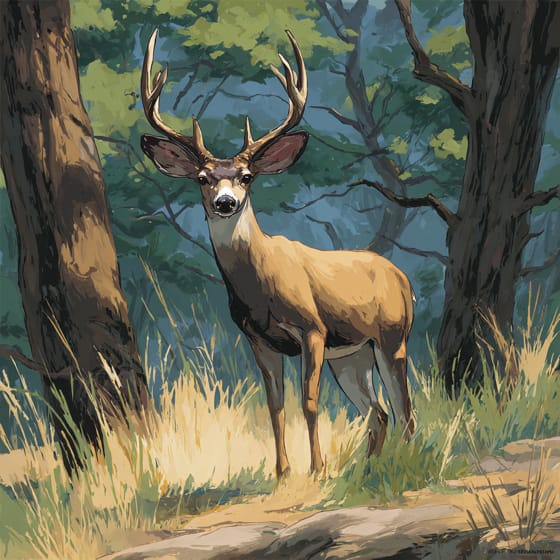
Odocoileus hemionus
Browses on the plant's foliage
Flowering plants are any plants that produce flowers as part of their reproductive cycle.
Spring blooming plants produce their flowers during the spring season, often signifying the end of winter and the start of new growth.
Cold hardy plants are able to withstand low temperatures and freezing conditions without significant damage.
Fragrant flowers emit a pleasant aroma, often to attract pollinators or for defense.

Grassland habitats are terrestrial biomes dominated by grasses and herbaceous plants, supporting a variety of grazing animals.

Describes plants that are particularly attractive and beneficial to a wide range of pollinating organisms.

This habitat trait identifies species found in wetlands, which are areas of land saturated with water, either permanently or seasonally, including marshes, swamps, and bogs.
No aliases listed yet.
Danger
1/5 · Very low
Don't pick flowers without asking an adult first, so they can keep growing for everyone to enjoy.
The easiest way to identify White Globeflower is to use the Snappit nature identifier app.
15-60 cm
15-30 cm
2-4 cm
Late spring to early summer
No
Mild
Perennial
Zoom in to split clusters and explore where this object has been snapped.
Take the discovery with you
Snap it with Snappit to identify it, learn what makes it special, and add the discovery to your collection.









.jpg&width=800)


_001.jpg&width=800)




