





White Hedge-nettle
Prasium majus
White Hedge-nettle is a lovely plant with soft, green leaves and tiny white flowers. It grows in sunny spots and is great for attracting butterflies and bees!
Habitat: Grasslands
The White Hedge-nettle has distinctive square stems and dark green, crinkled leaves that visually mimic stinging nettles but are completely harmless. Its small, hooded flowers are typically white to pale pink or purplish, growing in circular clusters around the stem where leaves join.
Category
PlantsRarity
Common
Danger
1/5 · Very low
Snaps
Be the first to snap!
Despite its name, this 'nettle' cannot sting you at all!
It belongs to the mint family, even without a strong minty smell!
Its fresh young leaves were historically eaten in salads or cooked.
Look closely for tiny hairs covering its stems and leaves!
White Hedge-nettle has leaves shaped like stinging nettles, potentially deterring some herbivores from nibbling.
Its uniquely shaped flowers provide a perfect landing platform and abundant nectar, attracting many busy pollinators.
This plant can spread underground using special stems called rhizomes, helping it colonize new areas quickly.
Apis mellifera
collects nectar and pollen

Helix aspersa
grazes on its tender leaves
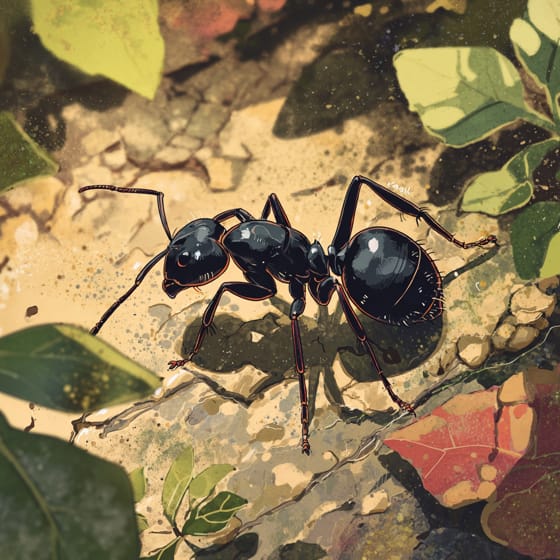
Lasius niger
disperses seeds with elaiosomes
Aromatic plants produce and emit fragrant volatile organic compounds, often for defense or to attract pollinators.
Flowering plants are any plants that produce flowers as part of their reproductive cycle.
Summer blooming plants produce their flowers during the summer season, often providing vibrant color when many other plants have finished.
Fragrant flowers emit a pleasant aroma, often to attract pollinators or for defense.

Medicinal plants possess chemical compounds that can be used for therapeutic purposes to treat illnesses or maintain health.

Edible plants are those parts of a plant that are considered safe for human consumption.

Grassland habitats are terrestrial biomes dominated by grasses and herbaceous plants, supporting a variety of grazing animals.

Describes plants that are particularly attractive and beneficial to a wide range of pollinating organisms.

Describes organisms that transfer pollen, enabling the fertilization and reproduction of plants.
No aliases listed yet.
Danger
1/5 · Very low
Always ask an adult before touching or tasting any plants.
The easiest way to identify White Hedge-nettle is to use the Snappit nature identifier app.
30-100 cm
20-50 cm
1-2 cm
Spring to early summer
Yes
None
Perennial
Zoom in to split clusters and explore where this object has been snapped.
Recent snaps will appear here as new observations are added.
Take the discovery with you
Snap it with Snappit to identify it, learn what makes it special, and add the discovery to your collection.








.jpg&width=800)


_001.jpg&width=800)



