





White-Margined Pussytoes
antennaria lanata
The White-Margined Pussytoes are fluffy little plants that look like they are wearing a soft coat! They are often found in meadows and dry places, making them a cute addition to nature walks.
Habitat: Dry meadows, rocky slopes, and open grasslands.
The White-Margined Pussytoes is a low-growing, mat-forming plant with silvery-green leaves edged in white. Its small, fuzzy flower clusters, resembling tiny cat's paws, are typically white or cream-colored, appearing atop short, slender stalks.
Category
PlantsRarity
Common
Danger
0/5 · No known danger
Snaps
Be the first to snap!
It forms a dense, fuzzy carpet, protecting the soil like a living blanket!
It often grows high in mountains, thriving in cold, rocky soil!
Its flower clusters look like tiny, soft cat's paws, giving it its cute name!
This plant has separate male and female plants, like distinct plant partners!
White-Margined Pussytoes has underground stems called rhizomes that help it spread widely and colonize new ground, creating a dense mat.
White-Margined Pussytoes produces tiny seeds with parachute-like tufts that help them fly far on the wind to find new places to grow.
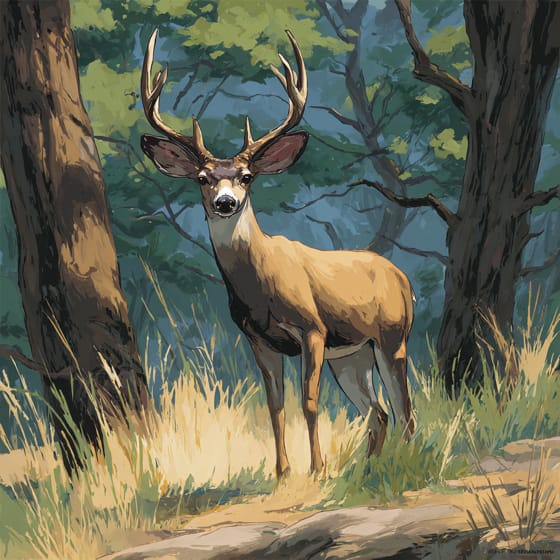
Odocoileus hemionus
Grazes on its leaves and stems
.jpg&width=800)
Sylvilagus nuttallii
Feeds on its low-growing foliage
Bombus occidentalis
Visits flowers to collect nectar and pollen
Colorful describes organisms or objects displaying a wide range of bright and distinct colors.
Grassland habitats are terrestrial biomes dominated by grasses and herbaceous plants, supporting a variety of grazing animals.
This trait characterizes organisms whose diet consists entirely or primarily of plant material.
Diurnal animals are primarily active during daylight hours, typically resting or sleeping at night.

Describes organisms that transfer pollen, enabling the fertilization and reproduction of plants.
Danger
0/5 · No known danger
No special safety notes yet.
The easiest way to identify White-Margined Pussytoes is to use the Snappit nature identifier app.
3-15 cm
15-45 cm
0.5-1 cm
Late spring to mid-summer
No
None
Perennial
Zoom in to split clusters and explore where this object has been snapped.
Recent snaps will appear here as new observations are added.
Take the discovery with you
Snap it with Snappit to identify it, learn what makes it special, and add the discovery to your collection.










.jpg&width=800)



_001.jpg&width=800)




