.jpg&width=800)





White-marked Tussock Moth
Orgyia leucostigma
The White-marked Tussock Moth is a fuzzy caterpillar that turns into a beautiful moth. It has soft, white tufts on its body that make it look like it's wearing a fluffy coat!
Habitat: Forests
The White-marked Tussock Moth is sexually dimorphic. Males have mottled grayish-brown wings marked with wavy dark lines and a distinct white spot on each forewing. Females are wingless, with a plump, grayish-tan body covered in short hairs, resembling a fuzzy blob.
Category
InsectsRarity
Common
Danger
2/5 · Low
Snaps
17
Male moths are super good at finding females from far away, just by smelling their perfume!
Mom moths lay their eggs right on top of their old cocoons, making a cozy nursery!
The female moth has no wings and can't fly, she just waits for a mate!
Their caterpillars have bright 'tussocks' of hair, making them look like tiny fuzzy artists' brushes!
White-marked Tussock Moth caterpillars have spiky, irritating hairs that can cause a rash, helping deter predators.
Female moths are completely wingless, remaining near their cocoons and attracting males with powerful pheromones.
Young caterpillars can create a silken safety line, allowing them to drop quickly from danger and climb back up.
As caterpillars, they munch on the leaves of many different trees and shrubs.
Age differences: Adult moths do not feed, focusing solely on reproduction; only the larvae (caterpillars) eat.
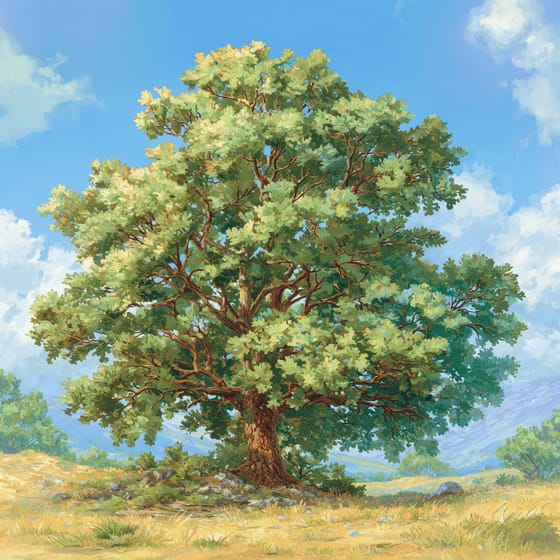
Quercus alba
Caterpillars feed on their leaves, sometimes causing defoliation.

Acer saccharum
Larvae consume the foliage of maple trees.
Trichogramma ostriniae
Tiny wasps lay eggs inside the moth's eggs, preventing hatching.
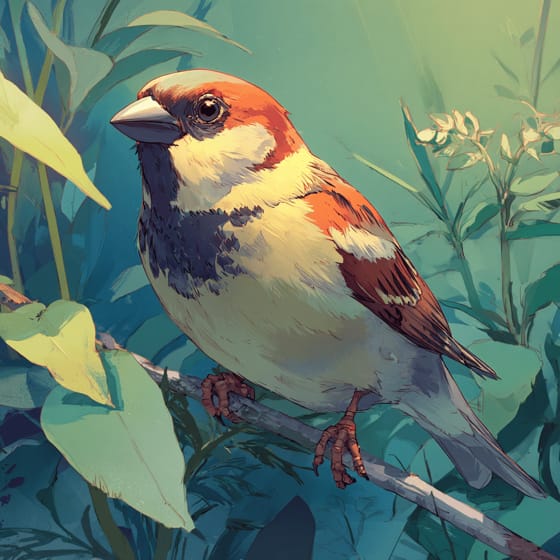
Passer domesticus
Birds prey on the caterpillars and pupae.
Furry describes animals possessing a dense covering of soft hair or fur.
Solitary animals live alone for most of their lives, only interacting with others for mating or parental care.
This trait characterizes organisms whose diet consists entirely or primarily of plant material.
Forest habitats are terrestrial environments dominated by dense tree cover, supporting a high diversity of plant and animal life.

Diurnal animals are primarily active during daylight hours, typically resting or sleeping at night.

Describes organisms that transfer pollen, enabling the fertilization and reproduction of plants.
No aliases listed yet.
Danger
2/5 · Low
Don't touch the caterpillar, as its hairs can irritate your skin.
The easiest way to identify White-marked Tussock Moth is to use the Snappit nature identifier app.
25-35 mm
15-35 mm
5-15 days
As caterpillars, they munch on the leaves of many different trees and shrubs.
Forests
Foraging
6
Zoom in to split clusters and explore where this object has been snapped.

Illinois, US
You might spot Common Eastern Bumble Bee and Brown-Belted Bumble Bee.
View guide →

Maryland, US
You might spot American Cancer-Root and Rue Anemone.
View guide →
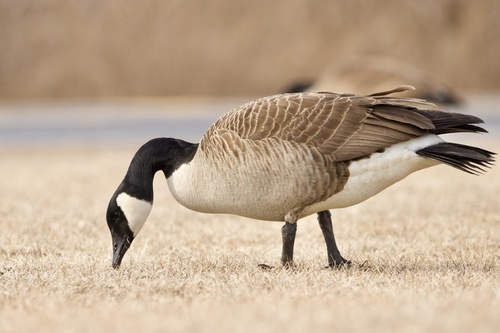
Illinois, US
You might spot Canada Goose, House Sparrow, and Rock Pigeon.
View guide →
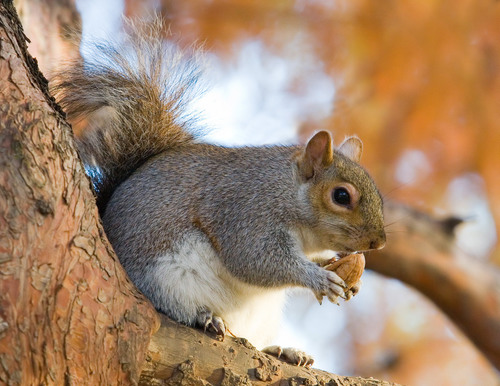
Georgia, US
You might spot Eastern Gray Squirrel, Domestic Cat, and American Robin.
View guide →

Wisconsin, US
You might spot White-Tailed Deer, American Robin, and Canada Goose.
View guide →

West Virginia, US
You might spot Spotted Lanternfly and Eastern Box Turtle.
View guide →
Take the discovery with you
Snap it with Snappit to identify it, learn what makes it special, and add the discovery to your collection.






.jpg&width=800)



