





white meadowsweet
Spiraea alba
White meadowsweet is a lovely shrub that blooms with fluffy white flowers in the summer. It grows in wetlands and is great for attracting butterflies and bees!
Habitat: Wetlands
The white meadowsweet is a medium-sized shrub with a bushy, upright form. It has slender stems topped with airy, conical clusters of tiny, creamy-white flowers that create a fluffy appearance. Its narrow, green leaves are serrated along the edges.
Category
PlantsRarity
Common
Danger
1/5 · Very low
Snaps
11
It's a champion at growing in soggy, wet soils where many other plants would struggle!
Its tiny white flowers grow in fluffy, cone-shaped clusters, looking like frosted spires!
People once brewed refreshing teas from its leaves and flowers, even before aspirin was made!
This plant is sometimes called 'pipestem' because its older, hollow stems were used for smoking pipes!
White meadowsweet can thrive in soggy, wet soils that most plants dislike, helping it colonize unique habitats.
White meadowsweet has abundant, nectar-rich flowers that attract many different insects, helping it reproduce.
White meadowsweet can spread underground with rhizomes, helping it grow into dense patches and secure its territory.
Apis mellifera
collects nectar and pollen
Bombus impatiens
gathers pollen and nectar
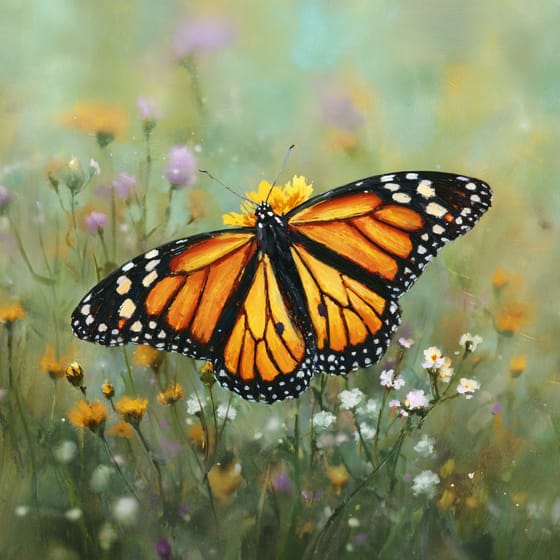
Danaus plexippus
sips nectar from flowers

Odocoileus virginianus
browses its leaves and twigs
Deciduous plants periodically shed all their leaves, typically during autumn or dry seasons.
Flowering plants are any plants that produce flowers as part of their reproductive cycle.
A shrub is a woody plant smaller than a tree, typically with multiple stems branching from or near the ground.
Summer blooming plants produce their flowers during the summer season, often providing vibrant color when many other plants have finished.

Fragrant flowers emit a pleasant aroma, often to attract pollinators or for defense.

Medicinal plants possess chemical compounds that can be used for therapeutic purposes to treat illnesses or maintain health.

Fall color refers to the seasonal change in foliage pigmentation, primarily in deciduous plants, displaying vibrant hues.

Describes plants that are particularly attractive and beneficial to a wide range of pollinating organisms.

This habitat trait identifies species found in wetlands, which are areas of land saturated with water, either permanently or seasonally, including marshes, swamps, and bogs.
No aliases listed yet.
Danger
1/5 · Very low
Always enjoy plants from a distance and don't eat anything without asking an adult.
The easiest way to identify white meadowsweet is to use the Snappit nature identifier app.
100-200 cm
90-180 cm
0.5-1 cm
Summer
No
None
Perennial
Zoom in to split clusters and explore where this object has been snapped.

Maine, US
You might spot American Bullfrog and Three-Toothed Cinquefoil.
View guide →

New Hampshire, US
You might spot Eastern Newt, Common Loon, and Hickory Tussock Moth.
View guide →

Maine, US
You might spot Purple Pitcher Plant and American Toad.
View guide →

Massachusetts, US
You might spot American Red Squirrel and Eastern White Pine.
View guide →

Connecticut, US
You might spot Ilia and Umber Underwings and Large Yellow Underwing.
View guide →

US
You might spot Striped Maple, Sassafras, and Roundleaf Greenbrier.
View guide →
Take the discovery with you
Snap it with Snappit to identify it, learn what makes it special, and add the discovery to your collection.







.jpg&width=800)


_001.jpg&width=800)




