





White-nosed Coati
Nasua narica
The White-nosed Coati is a playful animal with a long nose and a bushy tail. They love to explore and can often be seen climbing trees or searching for food in groups.
Habitat: Forests
The White-nosed Coati has a long, flexible, upturned snout that is lighter in color than its dark brown or reddish-brown fur. Its slender body is accented by a long, often ringed tail, and lighter markings usually frame its eyes and face.
Category
MammalsRarity
Common
Danger
2/5 · Low
Snaps
4
Females live in social groups called 'bands,' while adult males prefer to live alone!
Their name 'coati' might come from an indigenous word meaning 'nose ring'!
They can communicate using a variety of squeaks, grunts, and chirps!
White-nosed Coatis belong to the same animal family as raccoons!
White-nosed Coati can swivel and poke its flexible snout into crevices, helping them find hidden insects and fruits underground.
White-nosed Coati has flexible ankle joints that help them rotate their feet and descend trees headfirst with ease.
White-nosed Coati has a long, ringed tail that helps them balance perfectly while navigating narrow branches or rocky terrain.
Omnivores, they munch on tasty fruits, insects, and small creatures found on the ground and in trees.
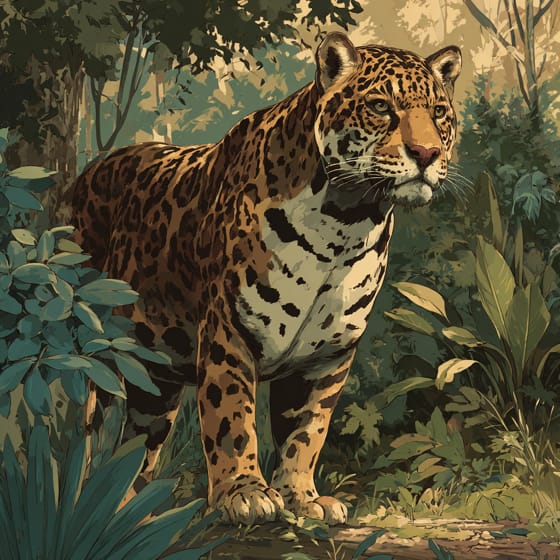
Panthera onca
A top predator in its rainforest habitat.
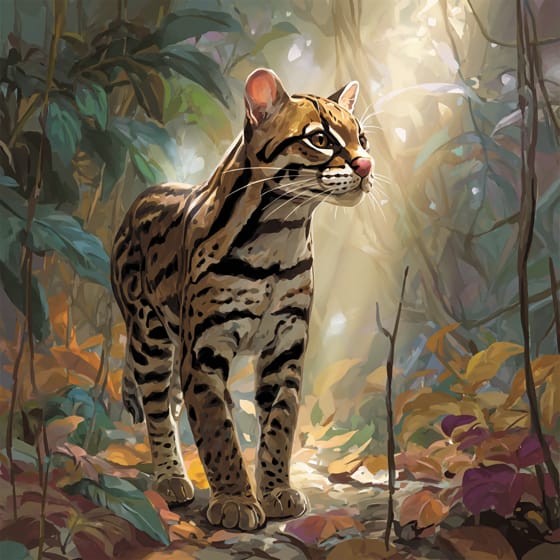
Leopardus pardalis
A stealthy cat that hunts smaller mammals.
Ficus insipida
Coatis regularly consume the ripe fruits of this tree.
Boa constrictor
Large snakes can ambush coatis on the ground or in trees.
Furry describes animals possessing a dense covering of soft hair or fur.
Climbing or vine plants are characterized by a growth habit that allows them to ascend upwards by twining, tendrils, or adhesive roots.
Social animals live in organized groups, cooperating for survival benefits such as foraging, defense, and raising offspring.
This trait identifies organisms whose diet includes both plant and animal matter.

Arboreal animals live primarily in trees, utilizing them for shelter, food, and protection from predators.

Forest habitats are terrestrial environments dominated by dense tree cover, supporting a high diversity of plant and animal life.

Diurnal animals are primarily active during daylight hours, typically resting or sleeping at night.
Danger
2/5 · Low
Watch from a distance and do not try to touch or feed wild animals.
The easiest way to identify White-nosed Coati is to use the Snappit nature identifier app.
41-67 cm
2-6 kg
7-15 years
30 km/h
Omnivores, they munch on tasty fruits, insects, and small creatures found on the ground and in trees.
Forests
Foraging
Zoom in to split clusters and explore where this object has been snapped.

Arizona, US
You might spot Northern Cardinal, Engelmann's Hedgehog Cactus, and Queen.
View guide →

Arizona, US
You might spot Yarrow's Spiny Lizard and Mexican Jay.
View guide →

Arizona, US
You might spot Saguaro and Graham's Nipple Cactus.
View guide →
Pennsylvania, US
You might spot American Alligator, Black Bear, and Canada Lynx.
View guide →
Nevada, US
You might spot African Lion, Tiger, and Zebra.
View guide →
California, US
You might spot Black Bear, Cougar, and Bald Eagle.
View guide →
Take the discovery with you
Snap it with Snappit to identify it, learn what makes it special, and add the discovery to your collection.




.jpg&width=800)

.JPG&width=800)



.jpg&width=800)
