





white prickly poppy
Argemone albiflora
The white prickly poppy is a beautiful flower with white petals and spiky leaves. It grows in sunny places and can be found in fields and along roadsides.
Habitat: Grasslands
The white prickly poppy has large, delicate white petals surrounding a bright yellow-orange center. Its distinctive blue-green leaves and stems are covered in sharp, stiff prickles, giving it a rugged appearance. The petals often look crinkled, like tissue paper.
Category
PlantsRarity
Common
Danger
2/5 · Low
Snaps
2
Before blooming, its delicate petals are crumpled up tightly, like a tiny parachutist's silk!
Each prickly poppy flower only lasts one day, opening in the morning and closing by evening!
Its dry seed pods make a rattling sound when shaken, like a tiny natural maraca!
The milky sap inside its stem is a vibrant yellow-orange color, like liquid sunshine!
white prickly poppy produces special chemicals called alkaloids that make it poisonous if eaten, deterring predators.
white prickly poppy can thrive in very dry, sandy soils, allowing it to survive where other plants cannot.
Apis mellifera
collects nectar and pollen
.jpg&width=800)
Diabrotica undecimpunctata
adults may feed on petals
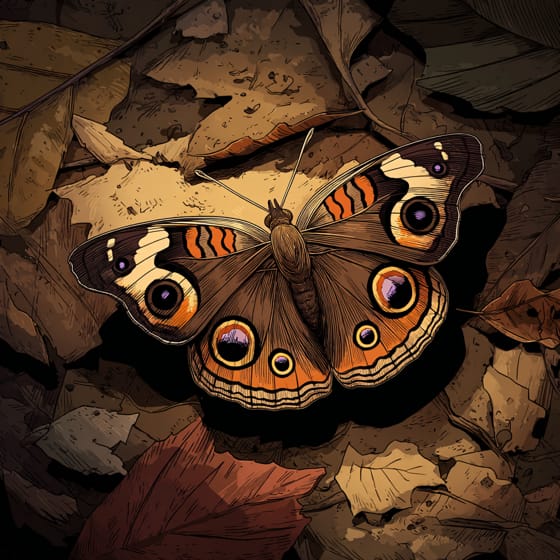
Junonia coenia
sips nectar from the flowers
Flowering plants are any plants that produce flowers as part of their reproductive cycle.
Spring blooming plants produce their flowers during the spring season, often signifying the end of winter and the start of new growth.
Drought-tolerant plants can survive and flourish in conditions with limited water availability.
This human use trait identifies species cultivated as oil crops, harvested for their seeds or fruits from which vegetable oils are extracted for food, fuel, or industrial uses.

Grassland habitats are terrestrial biomes dominated by grasses and herbaceous plants, supporting a variety of grazing animals.

Describes plants that are particularly attractive and beneficial to a wide range of pollinating organisms.

Possessing sharp, pointed projections or spines on the body or surface.
No aliases listed yet.
Danger
2/5 · Low
Be careful not to touch the spiky leaves, as they can be sharp.
The easiest way to identify white prickly poppy is to use the Snappit nature identifier app.
30-90 cm
20-40 cm
5-10 cm
Spring to fall
No
Moderate
Annual
Zoom in to split clusters and explore where this object has been snapped.
Take the discovery with you
Snap it with Snappit to identify it, learn what makes it special, and add the discovery to your collection.









.jpg&width=800)



_001.jpg&width=800)




