





White-striped Black
Trichodezia albovittata
The White-striped Black is a small moth with beautiful white stripes on its black wings. It flutters around gardens and fields, bringing joy to those who spot it!
Habitat: Urban areas
The White-striped Black is a small, striking moth with velvety black wings. It features a prominent jagged white band across each forewing, creating a sharp contrast. Its slender body is also dark, adding to its distinctive appearance.
Category
InsectsRarity
Common
Danger
1/5 · Very low
Snaps
11
Its fuzzy body helps it stay warm when flying on cool nights!
Its scientific name, Trichodezia, means 'hairy moth', which is super accurate!
The caterpillar stage of this moth loves to munch on Touch-me-not plants!
This moth's larvae are called loopers because they move like an inchworm!
White-striped Black has jagged white stripes that help them blend perfectly with dappled light and shadows, making them hard to spot.
White-striped Black can fly expertly in the dark because they use sensitive antennae to find nectar and mates.
White-striped Black can help plants grow by visiting flowers at night, transferring pollen as they sip nectar.
Caterpillars munch on plant leaves, while adult moths sip sweet nectar from flowers.
Age differences: Larvae feed on leaves using chewing mouthparts, while adults have siphoning mouthparts for nectar.
Impatiens capensis
Larvae feed on its leaves.
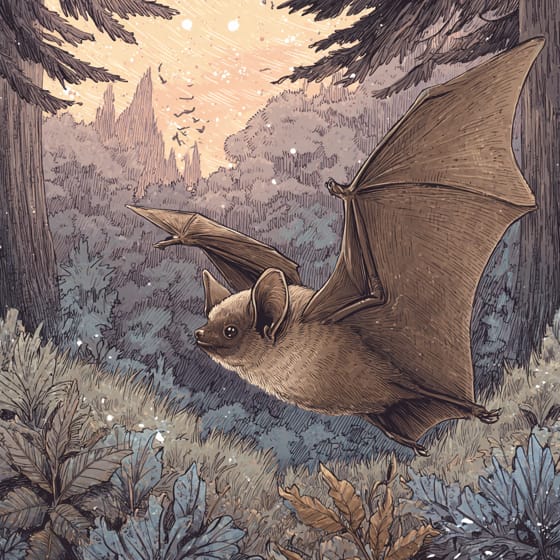
Myotis lucifugus
Moths are prey for bats.
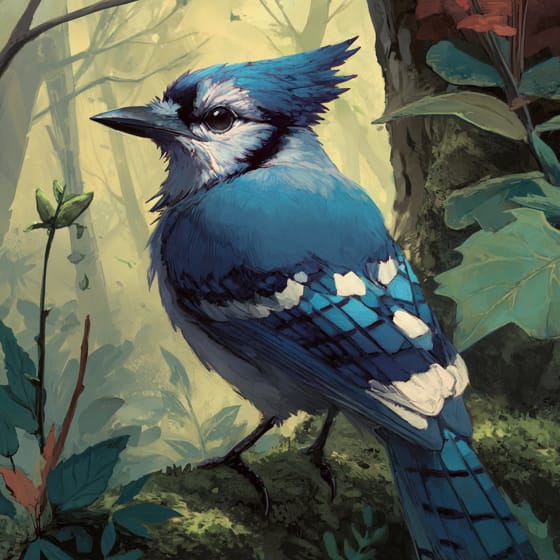
Cyanocitta cristata
Birds consume larvae and adults.

Trifolium repens
Adults visit flowers for nectar.
Marked with parallel bands or lines of color.
Solitary animals live alone for most of their lives, only interacting with others for mating or parental care.
Camouflaged describes organisms that possess coloring or patterns that allow them to blend into their environment.
Colorful describes organisms or objects displaying a wide range of bright and distinct colors.

This trait characterizes organisms whose diet consists entirely or primarily of plant material.

This habitat trait indicates species that can coexist with humans in urban and suburban environments, utilizing man-made structures and green spaces.

Nocturnal animals are primarily active during the nighttime hours, typically resting or sleeping during the day.

Describes organisms that transfer pollen, enabling the fertilization and reproduction of plants.
No aliases listed yet.
Danger
1/5 · Very low
Moths are usually harmless, but it's best to watch them from a distance.
The easiest way to identify White-striped Black is to use the Snappit nature identifier app.
20-25 mm
10-12 mm
7-21 days
Caterpillars munch on plant leaves, while adult moths sip sweet nectar from flowers.
Urban areas
Foraging
6
Zoom in to split clusters and explore where this object has been snapped.

Wisconsin, US
You might spot Common Eastern Bumble Bee, Monarch, and Bee.
View guide →

Oregon, US
You might spot Rough-Skinned Newt and Isabella Tiger Moth.
View guide →

New Hampshire, US
You might spot Eastern White Pine, Eastern Hemlock, and American Beech.
View guide →

Massachusetts, US
You might spot Bald Eagle, Hydrangea Sphinx, and Wide Leek.
View guide →

New York, US
You might spot Spotted Salamander, American Robin, and Garter Snake.
View guide →

West Virginia, US
You might spot Eastern Black-Legged Tick and Celery Leaftier Moth.
View guide →
Take the discovery with you
Snap it with Snappit to identify it, learn what makes it special, and add the discovery to your collection.








.jpg&width=800)



