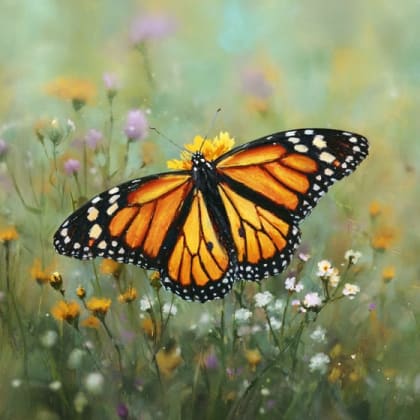





Monarch Butterfly

Green Bay Botanical Garden connects people with plants in a vibrant, 47-acre setting.
Green Bay Botanical Garden connects people with plants in a vibrant, 47-acre setting. This nonprofit botanical garden is a leading educational and recreational destination in the upper Midwest, offering unparalleled beauty that transforms with every season. With over 120,000 plants from Wisconsin and around the world, it provides a refreshing escape and a chance to experience nature's artistry year-round.
Visitors can explore a diverse array of themed gardens, each offering unique horticultural delights. Families will adore the Carol & Bruce Bell Children's Garden, a 2.5-acre wonderland featuring a whimsical Hobbit House restroom, a slide tower, a koi pond, and splash pads, designed to spark curiosity and encourage play. Horticulture enthusiasts will appreciate the nationally accredited Magnolia Grove, which dazzles with fragrant blooms in spring, and the Lux Foundation Rose Garden, showcasing a stunning variety of roses that peak in summer. Other highlights include the picturesque Betty Meyer Bridge, entwined with variegated kiwi vines, and the tranquil Mary Hendrickson Johnson Wisconsin Woodland Garden, featuring native trees, shrubs, and wildflowers. As of June 2026, the Garden is also hosting its "Woodland Wonders" exhibit, an immersive experience highlighting the beauty of trees and the natural world.
Whether you're seeking inspiration, a natural recharge, or a memorable outing, Green Bay Botanical Garden offers something for everyone. From vibrant spring blooms and summer concerts to spectacular autumn colors and the magical WPS Garden of Lights in winter, the Garden provides engaging experiences throughout the year. Its meticulously curated landscapes, coupled with a commitment to education and conservation, make it a cherished destination for nature lovers, families, and gardeners alike. Wondering what that bird or insect is? Find out on your visit using the Snappit nature app.
The Green Bay Botanical Garden began as a vision in the minds of passionate plant enthusiasts in the 1970s. A group called "Plants in the Urban Environment" (PUE), formed by figures like Ray Pagel and Ernie Ehrbar, explored various sites for a botanical garden in Green Bay. After years of dedication and effort, Green Bay Botanical Garden, Inc. was incorporated as a nonprofit organization. The Garden officially opened its doors to the public in September 1996, on a 47-acre site that was formerly the historic Larsen Orchard. Over the years, it has continuously expanded its offerings and facilities, including the addition of the Fischer Visitor Center and various themed gardens, growing into the horticultural landmark it is today.
Stroll through 21 different garden areas, enjoy seasonal events like "Music in Bloom" concerts or the "WPS Garden of Lights," participate in educational classes, or embark on a scavenger hunt.
Spring (March-May): Over 350,000 spring blooms including winter aconite, crocuses, daffodils, magnolias, and tulips come alive.
Summer (June-August): Roses, daylilies, and various annuals are in full display. Enjoy outdoor concerts and other special exhibits.
Fall (September-November): The gardens transform with a kaleidoscope of autumn colors, and the annual Fall Festival offers community activities.
Winter (December-February): Experience the renowned "WPS Garden of Lights" holiday display, or enjoy quieter moments with winter activities like snowshoeing and winter classes.
Approximately 20 of the Garden's 47 acres feature paved walkways, making them accessible for visitors with mobility needs. Free wheelchairs and motorized scooters are available on a first-come, first-served basis from April 1 to November 1. Accessible parking and drop-off areas are provided, along with accessible restrooms and family restrooms. The Mary Hendrickson Johnson Wisconsin Woodland Garden and Memorial Grove are designated low-sensory areas for guests seeking a quieter experience. Service animals are permitted. For certain events like the Garden of Lights, accessible golf carts may be available for guests with limited mobility.
A must-see for families, featuring a Hobbit House, slide tower, koi pond, and splash pads.
Home to a nationally accredited collection, particularly stunning during its spring bloom.
Enjoy a diverse collection of roses, best viewed from June through August.
A picturesque fountain surrounded by crabapples and annuals.
Each card links to a full Explore page with photos, traits, and fun facts.
Start with the big picture, then zoom in to explore individual wildlife observations around this place.
Wear comfortable shoes
The Garden features both paved and mulched paths across 47 acres, so sturdy, comfortable footwear is highly recommended for exploring.
Bring your camera
With meticulously curated gardens and stunning seasonal displays, there are countless opportunities for beautiful photographs.
Check the weather and dress accordingly
Wisconsin weather can vary, so always review the forecast before your visit to ensure you are comfortably dressed for an outdoor experience.
Consider packing snacks or a picnic
While some snack options are available, bringing your own provisions allows for more flexibility, especially if you plan an extended visit.
Look up the event calendar
The Garden hosts numerous special events, concerts ("Music in Bloom"), and exhibits throughout the year, which can enhance your visit.
Utilize accessibility services if needed: If you have mobility concerns, remember that free wheelchairs and motorized scooters are available (April-November 1) on a first-come, first-served basis.
Apr 13, 2026
Photo attribution
no rights reserved
License: CC0 1.0 ↗
Image may be shown cropped inside the card frame.
Jun 19, 2026
Jun 19, 2026
Jun 17, 2026
Jun 17, 2026

Maryland, US
You might spot White-Tailed Deer and Eastern Gray Squirrel.
View guide →
.jpg)
District of Columbia, US
You might spot Eastern Gray Squirrel, Duck, and House Sparrow.
View guide →

Illinois, US
You might spot American Robin, Canada Goose, and House Sparrow.
View guide →

Virginia, US
You might spot Spotted Lanternfly and Northern Cardinal.
View guide →
Take the discovery with you
Identify the wildlife you spot, learn as you go, and keep a collection of the adventure.