





White-tailed Jackrabbit
Lepus townsendii
The White-tailed Jackrabbit has long ears and powerful legs, perfect for hopping fast! They have a fluffy white tail that stands out when they run away from danger.
Habitat: Grasslands
The White-tailed Jackrabbit has sandy brown to yellowish-brown fur with a contrasting white belly. Its most distinctive features are its very long, black-tipped ears and a short, fluffy white tail that is visible when it runs.
Category
MammalsRarity
Common
Danger
1/5 · Very low
Snaps
3
Instead of burrows, they hide in shallow, scratched-out dips called "forms."
Jackrabbits got their name because their long ears looked like a donkey's ears!
These aren't true rabbits! They're hares, born with fur and open eyes.
To warn others of danger, they thump their powerful hind feet on the ground.
White-tailed Jackrabbit can sprint up to 55 km/h and zig-zag sharply to escape predators.
White-tailed Jackrabbit has fur that turns white in winter, helping it disappear in snowy landscapes.
White-tailed Jackrabbit has huge swiveling ears that pinpoint faint sounds of approaching danger.
White-tailed Jackrabbit can make long, powerful leaps using its strong hind legs to flee quickly.
These plant-eaters munch on grasses, herbs, and woody plants in their open habitats.
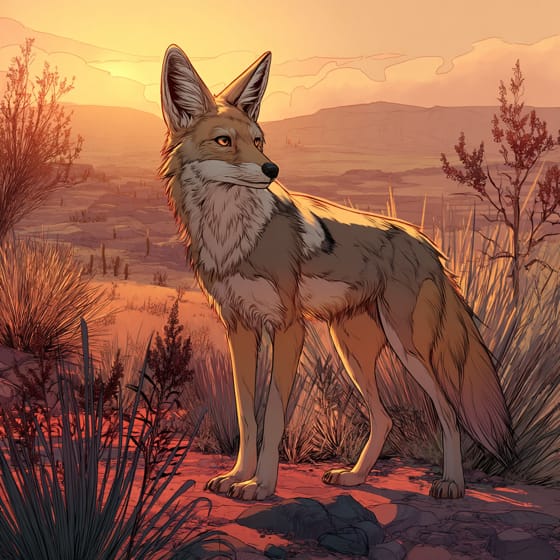
Canis latrans
This predator hunts jackrabbits for food across the plains.
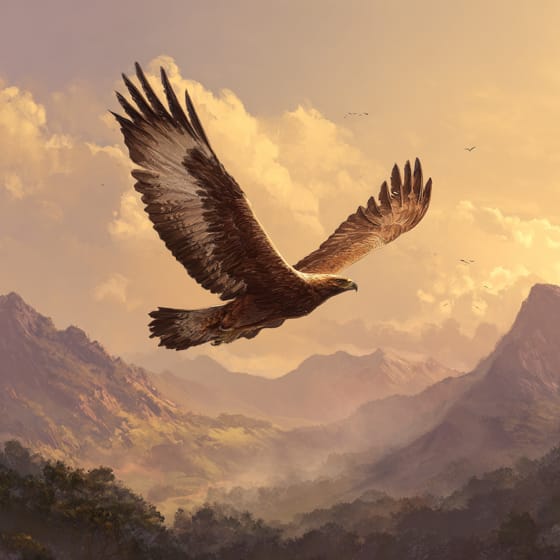
Aquila chrysaetos
Soars above, snatching jackrabbits from open habitats.

Artemisia tridentata
Jackrabbits browse its leaves and twigs, especially in winter.
Bouteloua gracilis
This common grass is a key food source for them.
Furry describes animals possessing a dense covering of soft hair or fur.
Solitary animals live alone for most of their lives, only interacting with others for mating or parental care.
Camouflaged describes organisms that possess coloring or patterns that allow them to blend into their environment.
Grassland habitats are terrestrial biomes dominated by grasses and herbaceous plants, supporting a variety of grazing animals.

This trait characterizes organisms whose diet consists entirely or primarily of plant material.

This trait identifies organisms that exhibit exceptional swiftness in movement for hunting, escape, or travel.
No aliases listed yet.
Danger
1/5 · Very low
If you see a rabbit, watch quietly from a distance and don't try to touch it.
The easiest way to identify White-tailed Jackrabbit is to use the Snappit nature identifier app.
56-76 cm
2.5-4.3 kg
5-8 years
55 km/h
These plant-eaters munch on grasses, herbs, and woody plants in their open habitats.
Grasslands
Grazing
Zoom in to split clusters and explore where this object has been snapped.
Take the discovery with you
Snap it with Snappit to identify it, learn what makes it special, and add the discovery to your collection.





.jpg&width=800)


.JPG&width=800)

.jpg&width=800)
