





whitesnow
Drymaria cordata
Whitesnow is a small, pretty plant that loves to grow in sunny places. It has tiny white flowers that look like little stars, making it a delightful sight in gardens and fields.
Habitat: Urban areas
The whitesnow is a delicate, low-growing plant with numerous tiny, star-shaped white flowers. Its bright green, heart-shaped leaves often form a dense, creeping mat, creating a dazzling, carpet-like effect where it grows.
Category
PlantsRarity
Common
Danger
1/5 · Very low
Snaps
Be the first to snap!
Despite its name, whitesnow thrives in warm, tropical places, not actual snow!
Each little flower has petals deeply divided, making them look like a tiny, glowing star!
Its scientific name, Drymaria, hints at dry conditions, but it actually loves moisture!
This tiny plant can spread its cheerful white flowers all over a garden bed like a living blanket!
Whitesnow can quickly cover ground using its creeping stems, which helps it outcompete other plants for sunlight and space to grow.
Whitesnow has many tiny seeds that are easily dispersed by wind, allowing it to spread far and wide and find new places to grow.
Apis mellifera
Tiny bees visit its small white flowers for nectar.

Helix aspersa
Snails sometimes munch on its tender leaves.
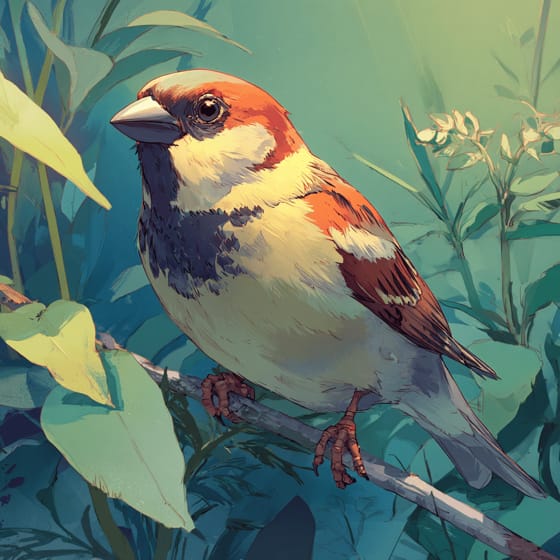
Passer domesticus
Small birds might feast on its tiny, numerous seeds.
Ornamental plants are cultivated primarily for their aesthetic appeal, enhancing landscapes and gardens with their attractive foliage, flowers, or form.
Spring blooming plants produce their flowers during the spring season, often signifying the end of winter and the start of new growth.
Fragrant flowers emit a pleasant aroma, often to attract pollinators or for defense.
Colorful describes organisms or objects displaying a wide range of bright and distinct colors.

Describes plants that are particularly attractive and beneficial to a wide range of pollinating organisms.

This habitat trait indicates species that can coexist with humans in urban and suburban environments, utilizing man-made structures and green spaces.
No aliases listed yet.
Danger
1/5 · Very low
Always check with an adult before touching or picking plants.
The easiest way to identify whitesnow is to use the Snappit nature identifier app.
5-20 cm
20-50 cm
0.3-0.5 cm
Spring to fall
No
None
Annual
Zoom in to split clusters and explore where this object has been snapped.
Recent snaps will appear here as new observations are added.
Take the discovery with you
Snap it with Snappit to identify it, learn what makes it special, and add the discovery to your collection.









.jpg&width=800)


_001.jpg&width=800)




