




widgeongrass
Ruppia maritima
Widgeongrass is a special plant that grows in shallow waters. It has long, thin leaves that look like grass and provides food for many animals in the water.
Habitat: Coastal areas
The widgeongrass is a submerged aquatic plant with very slender, thread-like leaves, typically dark green to reddish-brown. It produces tiny, inconspicuous flowers and distinctive coiled or looped seed stalks that emerge near the water's surface.
Category
PlantsRarity
Common
Danger
1/5 · Very low
Snaps
1
Its tiny, abundant seeds are a superfood for thousands of migrating ducks and geese.
The plant creates vast underwater meadows, providing safe hideouts for tiny fish and bugs.
Widgeongrass can regrow from small fragments, helping it quickly spread across ponds and estuaries.
Widgeongrass helps clean murky water by trapping sediments and absorbing extra nutrients.
Widgeongrass can thrive in both fresh and extremely salty water, helping it colonize diverse aquatic environments.
Its pollen is released and carried by water currents, allowing widgeongrass to reproduce entirely underwater.
Widgeongrass has small rhizomes that anchor it firmly in soft mud or sand, helping it withstand water currents.
It can absorb excess nutrients from the water, helping to improve water quality and clarity for other life.
Anas platyrhynchos
Its abundant seeds are a favorite food.
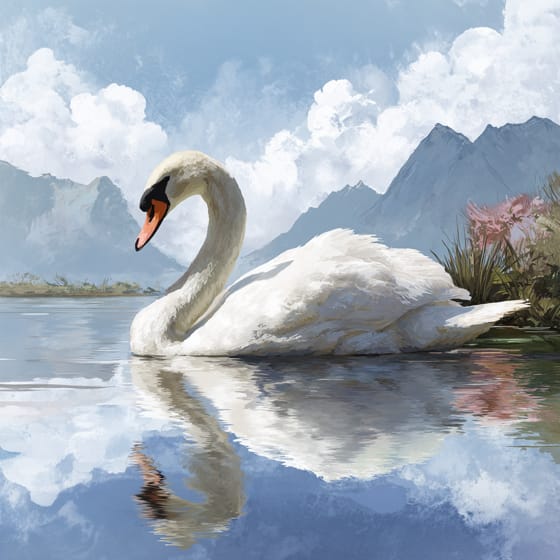
Cygnus olor
Grazes on its leaves and tender rhizomes.
Gambusia affinis
Dense beds provide refuge from larger fish.
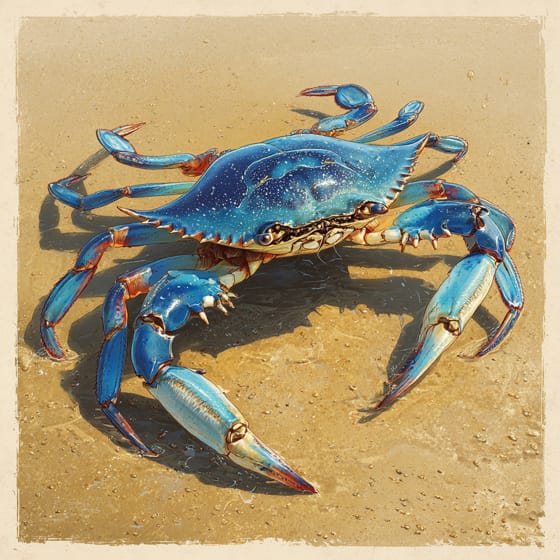
Callinectes sapidus
Young crabs find refuge in its dense cover.
Grass-like plants are herbaceous plants that visually resemble true grasses, typically having long, narrow leaves.
Salt tolerant plants can withstand and grow in conditions with elevated salinity levels in the soil or water.
Edible plants are those parts of a plant that are considered safe for human consumption.
This habitat trait identifies species found in wetlands, which are areas of land saturated with water, either permanently or seasonally, including marshes, swamps, and bogs.

Coastal habitats are dynamic environments located along the interface between land and sea, influenced by tides, waves, and saltwater.

Freshwater habitats include non-saline aquatic environments such as rivers, lakes, ponds, and wetlands, vital for numerous species.

Describes a species whose presence and role have a disproportionately large effect on its environment.

Aquatic habitats encompass environments where organisms live predominantly in water, including oceans, rivers, lakes, and wetlands.
No aliases listed yet.
Danger
1/5 · Very low
Always stay close to an adult when exploring water areas.
The easiest way to identify widgeongrass is to use the Snappit nature identifier app.
30-150 cm
0.1-0.2 cm
Summer
Yes
None
Perennial
Water
Zoom in to split clusters and explore where this object has been snapped.
Take the discovery with you
Snap it with Snappit to identify it, learn what makes it special, and add the discovery to your collection.










.jpg&width=800)



_001.jpg&width=800)



