





Wild Indigo Duskywing
Erynnis baptisiae
The Wild Indigo Duskywing is a small butterfly with dark wings and beautiful patterns. It loves to flutter around flowers and is often found in sunny areas where its favorite plants grow.
Habitat: Grasslands
The Wild Indigo Duskywing has dark, dusky brown or grey-brown wings that are often mottled. Its forewings usually feature a few small, faint white spots, and its wings have a short fringe. It has a robust, moth-like body and appearance.
Category
InsectsRarity
Common
Danger
1/5 · Very low
Snaps
6
Its caterpillars are masters of disguise, rolling up leaves to create their secret homes!
This butterfly sips nectar using a long, straw-like tongue called a proboscis.
Though it looks like a moth, it's actually a butterfly that loves to fly during the day.
Wild Indigo Duskywings are speedy fliers, making them tricky to catch even for predators!
Wild Indigo Duskywing has dark, mottled wings that help them blend perfectly with tree bark and shadows, making them hard to spot.
Wild Indigo Duskywing can fly with swift, erratic movements that help them quickly dodge predators in the air.
Wild Indigo Duskywing caterpillars can construct cozy leaf shelters that help them hide safely from hungry birds and wasps.
Adults drink flower nectar, while caterpillars munch on plant leaves!
Age differences: Yes, adults drink nectar, but young caterpillars eat plant leaves.
Baptisia tinctoria
Its caterpillars eat the leaves of this plant.
_Lotus_corniculatus_-_Plant_habit.jpg&width=800)
Lotus corniculatus
Caterpillars feed on the leaves of this common plant.

Trifolium repens
Adults help pollinate these flowers while drinking nectar.
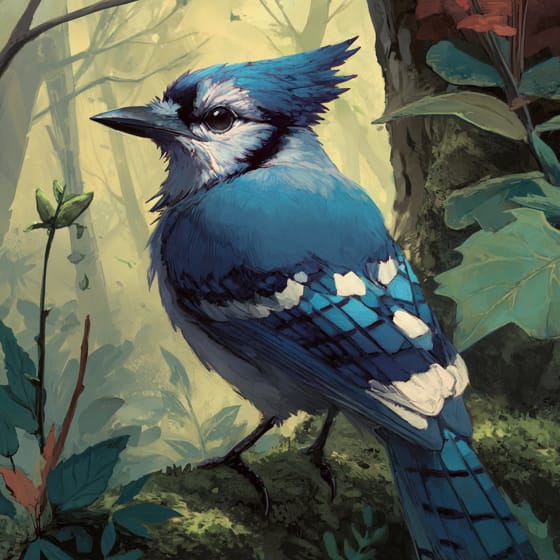
Cyanocitta cristata
Adult butterflies and caterpillars can become food for these birds.
Solitary animals live alone for most of their lives, only interacting with others for mating or parental care.
Camouflaged describes organisms that possess coloring or patterns that allow them to blend into their environment.
Colorful describes organisms or objects displaying a wide range of bright and distinct colors.
Grassland habitats are terrestrial biomes dominated by grasses and herbaceous plants, supporting a variety of grazing animals.

This trait characterizes organisms whose diet consists entirely or primarily of plant material.

Describes plants that are particularly attractive and beneficial to a wide range of pollinating organisms.

Diurnal animals are primarily active during daylight hours, typically resting or sleeping at night.

Describes organisms that transfer pollen, enabling the fertilization and reproduction of plants.
No aliases listed yet.
Danger
1/5 · Very low
Always watch butterflies from a distance and don't try to catch them.
The easiest way to identify Wild Indigo Duskywing is to use the Snappit nature identifier app.
25-35 mm
15-20 mm
10-20 days
10-15 km/h
Adults drink flower nectar, while caterpillars munch on plant leaves!
Grasslands
Foraging
Zoom in to split clusters and explore where this object has been snapped.

Connecticut, US
You might spot Hay-Scented Fern, Canada Mayflower, and Wood Frog.
View guide →

Indiana, US
You might spot Monarch, Black Swallowtail, and American Pokeweed.
View guide →

Kansas, US
You might spot Panthera Pardus Orientalis, Snow Leopard, and African Lion.
View guide →

Rhode Island, US
You might spot Pink Lady's Slipper and Asian Bittersweet.
View guide →

New Hampshire, US
You might spot White-Tailed Deer and Eastern White Pine.
View guide →

Vermont, US
You might spot Northern Cardinal, Dark-Eyed Junco, and Mourning Dove.
View guide →
Take the discovery with you
Snap it with Snappit to identify it, learn what makes it special, and add the discovery to your collection.






.jpg&width=800)



