





Wild Licorice
Glycyrrhiza lepidota
Wild Licorice is a special plant that grows in the wild. It has sweet roots that can be used to make candy and tea. This plant loves sunny places and can be found in fields and along riverbanks.
Habitat: Grasslands
The Wild Licorice has erect stems covered in fine hairs, bearing many pairs of oval leaflets. Its small, pale yellow-green to whitish pea-like flowers grow in dense, spiky clusters, later forming unique bur-like seed pods that are covered in hooked prickles.
Category
PlantsRarity
Common
Danger
1/5 · Very low
Snaps
7
Did you know its roots taste super sweet, even sweeter than sugar!
Native Americans chewed the roots like candy and used them for sore throats.
This plant is related to garden peas, but don't eat its leaves or stems!
Wild Licorice loves growing where rivers have flooded or disturbed the ground.
Wild Licorice can pull nitrogen from the air and enrich the soil, helping itself and other plants grow strong.
Wild Licorice has deep-spreading roots that help it survive droughts and find water far below the surface.
Wild Licorice has sticky, spiky seed pods that attach to animals, helping its seeds travel far and wide.

Odocoileus virginianus
Deer and other browsers munch its foliage.
Apis mellifera
Bees are attracted to its nectar-rich flowers.
Rhizobium leguminosarum
Forms root nodules to fix nitrogen for the plant.
Aromatic plants produce and emit fragrant volatile organic compounds, often for defense or to attract pollinators.
Deciduous plants periodically shed all their leaves, typically during autumn or dry seasons.
Flowering plants are any plants that produce flowers as part of their reproductive cycle.
Medicinal plants possess chemical compounds that can be used for therapeutic purposes to treat illnesses or maintain health.

Edible plants are those parts of a plant that are considered safe for human consumption.

Grassland habitats are terrestrial biomes dominated by grasses and herbaceous plants, supporting a variety of grazing animals.

Describes plants that are particularly attractive and beneficial to a wide range of pollinating organisms.

Describes organisms that transfer pollen, enabling the fertilization and reproduction of plants.
No aliases listed yet.
Danger
1/5 · Very low
Do not eat any plants without asking an adult first.
The easiest way to identify Wild Licorice is to use the Snappit nature identifier app.
30-120 cm
30-60 cm
0.8-1.5 cm
Summer
Yes
None
Perennial
Zoom in to split clusters and explore where this object has been snapped.
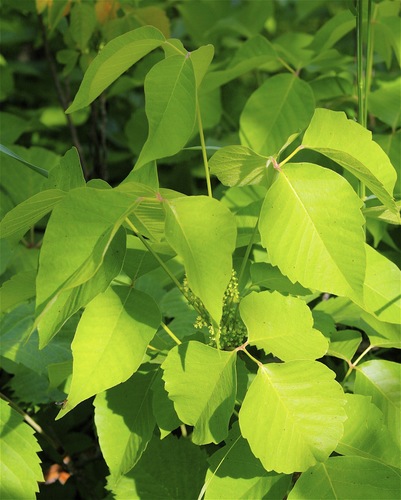
North Dakota, US
You might spot Western Poison Ivy, Wild Licorice, and Leadplant.
View guide →

North Dakota, US
You might spot Moose, Ring-Necked Pheasant, and Field Bindweed.
View guide →

Minnesota, US
You might spot American White Pelican and Painted Turtle.
View guide →
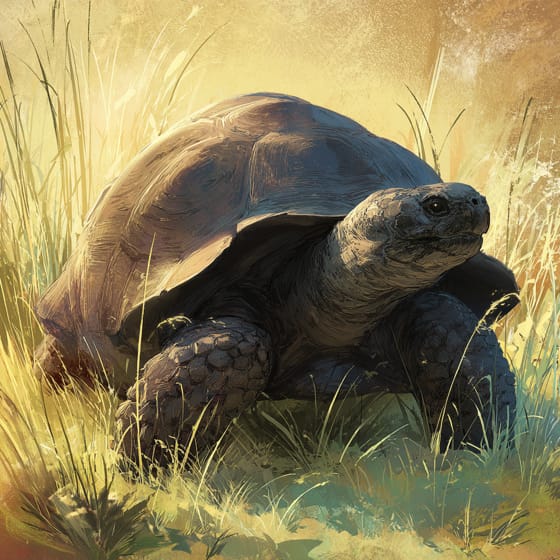
South Dakota, US
You might spot Aldabra Giant Tortoise and Saltwater Crocodile.
View guide →
South Dakota, US
You might spot Bighorn Sheep and Narrow-Leaved Purple Coneflower.
View guide →
Take the discovery with you
Snap it with Snappit to identify it, learn what makes it special, and add the discovery to your collection.







.jpg&width=800)



_001.jpg&width=800)



