.jpg&width=800)





Williamson's Sapsucker
Sphyrapicus thyroideus
Williamson's Sapsucker is a colorful bird that loves to peck on trees to find tasty bugs. They have a bright yellow belly and a striking black and white head, making them easy to spot in the forest!
Habitat: Forests
The Williamson's Sapsucker has striking differences between males and females. Males are mostly black with a yellow belly, white wing patch, and red chin. Females have a brown head and are barred black and white across their body.
Category
BirdsRarity
Common
Danger
1/5 · Very low
Snaps
Be the first to snap!
Males and females look so different they were once thought to be two separate species!
Their sticky, brush-tipped tongue is perfect for soaking up sweet tree sap!
These sapsuckers sometimes get 'tipsy' from fermented sap, wobbling near their wells!
They nest in trees with 'heart rot' fungus, making softer wood to drill into!
Williamson's Sapsucker can drill precise, rectangular holes in trees because this unique tapping helps them access sweet, nutritious sap.
Williamson's Sapsucker has sap wells that attract insects, which helps them easily catch protein-rich bugs for food.
Williamson's Sapsucker has a sturdy skull and chisel-like beak that helps them drill into wood without hurting their brain.
These birds drink tree sap and munch on insects caught in sticky wells!
Pinus ponderosa
Provides sap and nesting sites for sapsuckers.
Formica fusca
Commonly eaten by sapsuckers from sap wells.
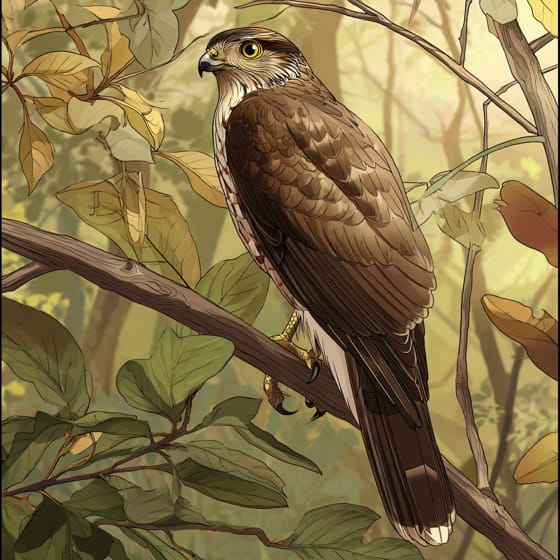
Accipiter cooperii
A common bird of prey that hunts sapsuckers.
.jpg&width=800)
Selasphorus rufus
Drinks sap from sapsucker wells when migrating.
Feathered describes animals, primarily birds, possessing a covering of feathers.
Social animals live in organized groups, cooperating for survival benefits such as foraging, defense, and raising offspring.
Arboreal animals live primarily in trees, utilizing them for shelter, food, and protection from predators.
Colorful describes organisms or objects displaying a wide range of bright and distinct colors.

This trait identifies organisms whose diet primarily consists of insects and other small invertebrates.

Forest habitats are terrestrial environments dominated by dense tree cover, supporting a high diversity of plant and animal life.

Diurnal animals are primarily active during daylight hours, typically resting or sleeping at night.

Migratory animals undertake seasonal movements from one region to another, typically in response to changes in climate or food availability.
No aliases listed yet.
Danger
1/5 · Very low
Enjoy watching birds from a distance without disturbing them.
The easiest way to identify Williamson's Sapsucker is to use the Snappit nature identifier app.
19-25 cm
40-45 cm
0.04-0.065 kg
4-7 years
55 km/h
These birds drink tree sap and munch on insects caught in sticky wells!
Forests
Zoom in to split clusters and explore where this object has been snapped.
Recent snaps will appear here as new observations are added.
Take the discovery with you
Snap it with Snappit to identify it, learn what makes it special, and add the discovery to your collection.





.jpg&width=800)






