





wineberry
Rubus phoenicolasius
Wineberries are sweet, juicy berries that grow on tall, bushy plants. They have bright red color and are covered in soft hairs, making them fun to pick and eat!
Habitat: Forests
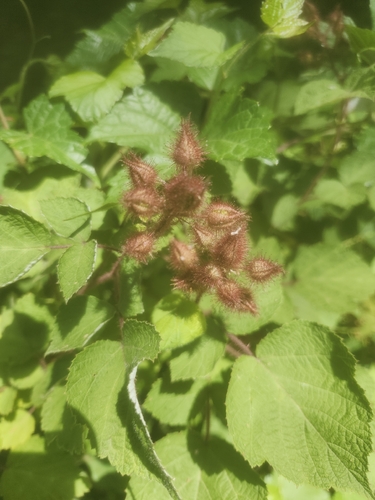
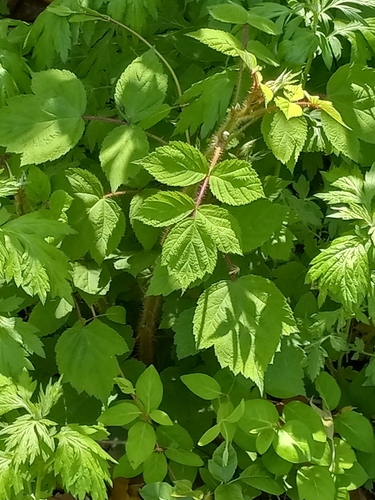
The wineberry has distinctive reddish-purple stems covered in fine, bristly hairs and small thorns. Its leaves are light green with silvery-white undersides, while its delicate pinkish-white flowers give way to bright, ruby-red, raspberry-like fruits encased in fuzzy sepals.
Category
PlantsRarity
Common
Danger
1/5 · Very low
Snaps
37
Each wineberry fruit is covered by a fuzzy, sticky calyx that makes it unique.
Its name comes from the rich, wine-red color of its ripe, juicy berries!
This plant is native to East Asia but traveled across oceans to grow in new lands!
Wineberries are an 'invasive species' in some places, meaning they grow very fast and wide!
Wineberry has sharp bristles and small thorns that deter animals from eating its stems, helping it survive.
Wineberry can grow new canes from its roots or tips, allowing it to quickly colonize open areas and expand.
Wineberry has fuzzy sepals that cover and protect its developing fruit from insects until it is ripe.
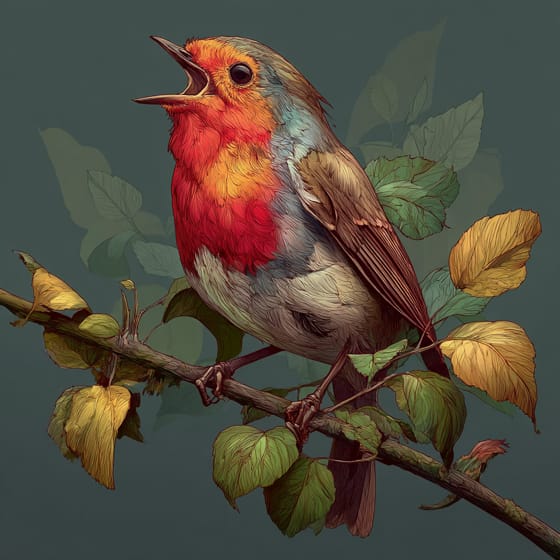
Turdus migratorius
Birds enjoy the sweet, ripe berries.

Procyon lotor
Mammals feast on the abundant fruit.
Apis mellifera
Bees visit the flowers to gather nectar.
Deciduous plants periodically shed all their leaves, typically during autumn or dry seasons.
A shrub is a woody plant smaller than a tree, typically with multiple stems branching from or near the ground.
Fruit-bearing plants produce fruits, which are the mature ovaries of flowering plants containing seeds.
Edible plants are those parts of a plant that are considered safe for human consumption.

Rapid growing plants exhibit accelerated growth rates, quickly increasing in size and biomass within a short period.

Forest habitats are terrestrial environments dominated by dense tree cover, supporting a high diversity of plant and animal life.
No aliases listed yet.
Danger
1/5 · Very low
Always wash berries before eating them to make sure they are clean.
The easiest way to identify wineberry is to use the Snappit nature identifier app.
150-300 cm
150-250 cm
0.5-1 cm
Late spring to early summer
Yes
None
Perennial
Zoom in to split clusters and explore where this object has been snapped.
Jun 5, 2026
Green Spring Gardens ParkPhoto attribution
no rights reserved
License: CC0 1.0 ↗
Image may be shown cropped inside the card frame.
May 17, 2026
Lehigh Valley ZooPhoto attribution
(c) Aleks, some rights reserved (CC BY)
License: CC BY 4.0 ↗
Image may be shown cropped inside the card frame.
.jpg)
Virginia, US
You might spot Great Blue Heron and Canada Goose.
View guide →

Maryland, US
You might spot American Cancer-Root and Rue Anemone.
View guide →
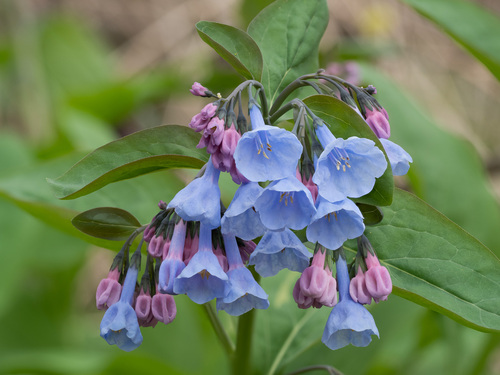
Virginia, US
You might spot Virginia Bluebells and Virginia Springbeauty.
View guide →

New Jersey, US
You might spot Common Mugwort and White-Tailed Deer.
View guide →

New York, US
You might spot Bald Eagle, Common Eastern Bumble Bee, and Red-Tailed Hawk.
View guide →

Maryland, US
You might spot Common Pawpaw, Zebra Swallowtail, and Bald Eagle.
View guide →
Take the discovery with you
Snap it with Snappit to identify it, learn what makes it special, and add the discovery to your collection.







.jpg&width=800)



_001.jpg&width=800)



